- WIADOMOŚCI
Should Europe start talks with Russia? The President of Lithuania responds
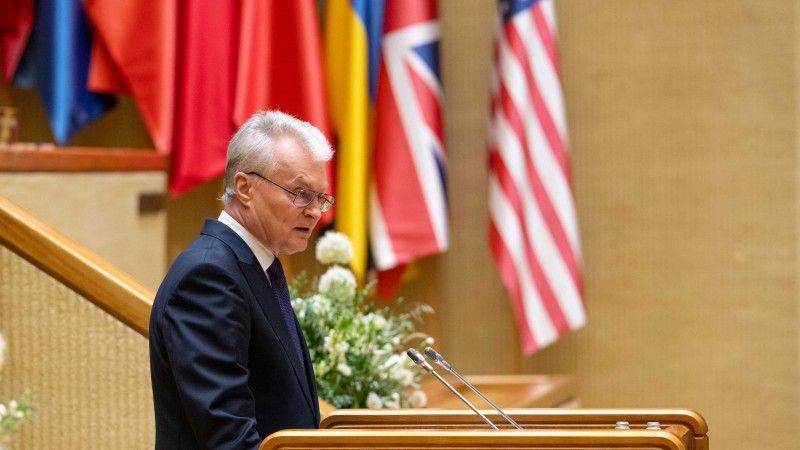
Photo. @GitanasNauseda / X.com
The need for Europe to engage in talks with the Russian Federation is a recurring issue in regional discourse. According to Lithuanian President Gitanas Nausėda, resuming contacts with the Kremlin does not reflect Europe’s security needs.
“The future of European security is being decided in Ukraine, but above all, Russia must be stopped. Repeated calls for cooperation with Moscow do not reflect Europe’s security needs. It must be deterred, not encouraged,” Nausėda said during the spring session of the NATO Parliamentary Assembly. Nearly 300 parliamentarians from 32 NATO member states and approximately 80 representatives from 22 partner countries and international organisations are participating in the session.
The President also noted that if every NATO country allocated 0.25% of its GDP annually to support Ukraine, a sum of approximately $143 billion could be raised within a year. “The resources exist. What we lack most is political will and equitable burden sharing. History will judge us not by our declarations, but by our actions. Ukraine has bought us precious time that must not be wasted,” Nausėda commented.
A discussion is ongoing within the European Union regarding the community’s involvement in the negotiation process aimed at ending the war in Ukraine. Currently, there is a stalemate in talks within the Ukraine-US-Russia format, partly due to the conflict in the Middle East, to which the Donald Trump administration is devoting most of its attention.
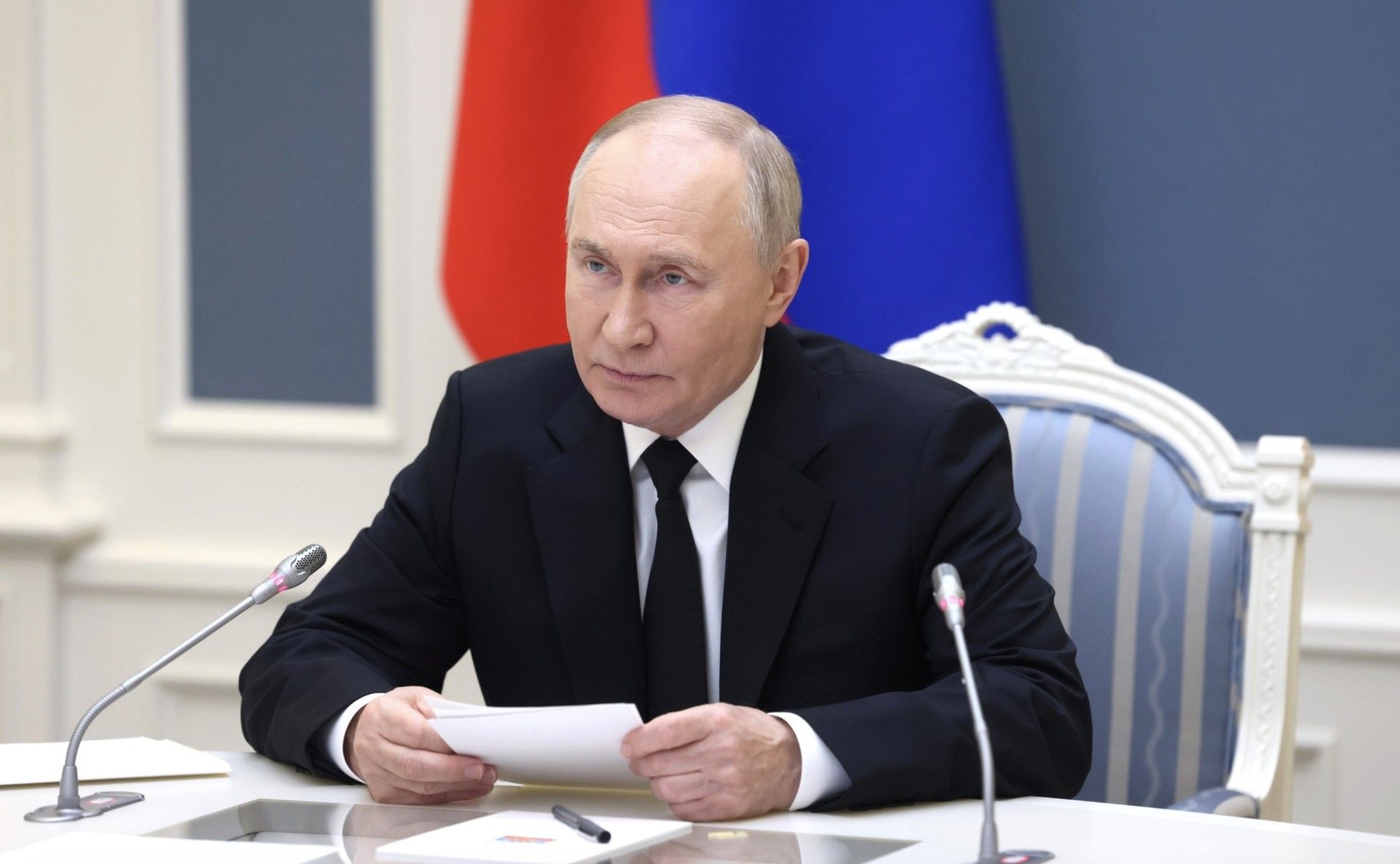
In recent weeks, the Kremlin has expressed a willingness to conduct talks with Europe. The discussion gained notoriety following a proposal by Russian President Vladimir Putin, who named former German Chancellor Gerhard Schröder as a potential mediator in the talks. European capitals rejected the proposal. The former chancellor supported Vladimir Putin’s policies, promoted the construction of the Nord Stream 1 pipeline, and served as the chairman of the board of Nord Stream 2 AG. He is also accused of lobbying on behalf of Russian companies. He would not be able to serve as an impartial mediator.