












- WIADOMOŚCI
Germany scraps F126 frigate for smaller sub-hunters

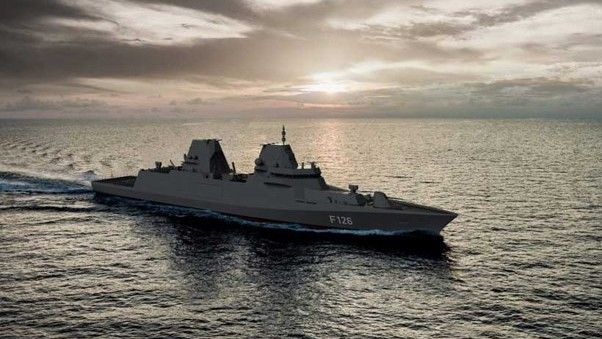
Photo. Wikipedia
Germany has cancelled its F126 frigate programme, the future backbone of its fleet, in a stark admission it can no longer deliver the right ships on time for NATO undersea needs.
The German Defence Ministry abandoned the planned six-ship F126 programme after severe delays, mounting costs and the risks of replacing the prime contractor made the project financially and politically untenable. The original 2020 plan envisioned six large multi-mission frigates for roughly €10 billion. The first vessel was expected to reach initial operational capability by mid-2028, with all six ready by 2033. However, the government ultimately concluded that the Dutch-led prime contractor, Damen Schelde Naval Shipbuilding, could not meet the agreed schedule or budget.
Efforts to rescue the project also failed. Beginning in 2025, Berlin explored whether Naval Vessels Lürssen, now linked to Rheinmetall, could take over the contract. This alternative resulted in a negotiated price tag of roughly €15.2 billion for the six ships, even before accounting for existing support contracts and the money already spent on Damen. The ministry reached a stark conclusion. Keeping the F126 alive could push the total bill above €18 billion. Furthermore, proceeding would have required Germany to waive potential damage claims against Damen. Officials viewed this concession as a highly irresponsible use of public funds.

This cancellation serves as one of the clearest examples yet of Germany’s new realism in defence procurement. The F126 was far from a marginal initiative. Measuring 166 metres and displacing around 10,000 tonnes, it was designed to be the German Navy’s largest modern combatant. It promised a highly capable modular platform suited for long deployments and anti-submarine warfare. Now, however, the strategic priority has shifted from building the best possible future ship to securing a usable capability before the current readiness gap becomes a critical vulnerability.
Berlin is now pivoting to TKMS for a replacement. Pending budget approval from the Bundestag, the Navy will receive eight MEKO A-200 DEU frigates primarily configured for anti-submarine warfare. The initial four vessels are priced at approximately €6.3 billion, with an option to purchase four more for roughly €5.3 billion by the end of 2026. According to the Bundeswehr, Navy Inspector Vice Admiral Jan Christian Kaack has determined that the MEKO alternative is fully sufficient to meet Germany’s core anti-submarine missions and NATO obligations.

The fallout across the defence industry is already apparent. Reuters reports that Germany has spent about €2.3 billion on F126-related work. Rheinmetall had hoped to inherit the programme through its naval division, and the company saw its shares fall sharply following the announcement. Meanwhile, TKMS has emerged as the clear winner in Berlin’s accelerated shift toward a smaller and more readily available design.


