












- WIADOMOŚCI
NATO Prepares to Expand Fuel Pipeline Network on Eastern Flank

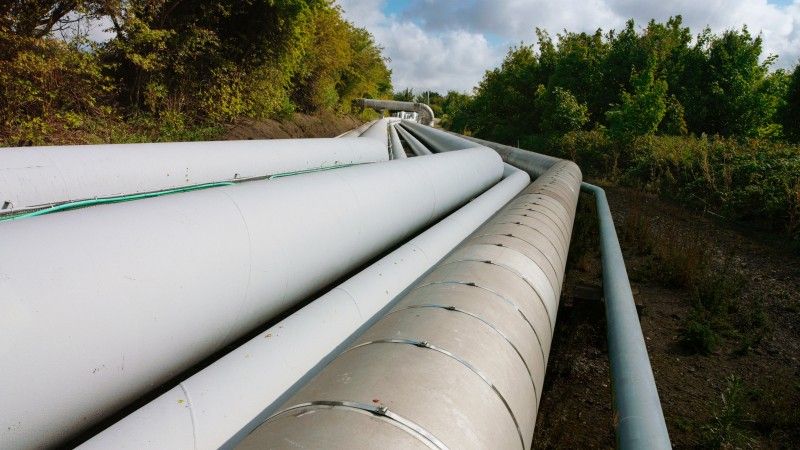
In light of the long-term threat posed by Russia and the lessons from the war in Ukraine, NATO is preparing a major expansion of its military fuel logistics infrastructure. At the recent summit in The Hague, allied leaders committed to boosting defense spending by 2035 – including investment in a new Eastern European Pipeline System (EEPS). The network is to be integrated with the existing Central Europe Pipeline System (CEPS), creating a seamless, underground supply chain from Western Europe to NATO’s eastern front. The goal is to ensure uninterrupted fuel delivery for allied forces in both peacetime and wartime – while also strengthening deterrence and resilience on the eastern flank.
Currently, NATO’s fuel delivery to front-line states such as Poland and Romania relies primarily on rail and road tankers, which are sufficient during peacetime but dangerously inadequate in the event of high-intensity warfare. In a conflict scenario involving large-scale deployments and sustained air operations, allied fuel demand could rise exponentially – with the air force alone projected to consume up to 85% of total supply. Military planners warn that the current infrastructure would quickly become overwhelmed, vulnerable to disruption, and logistically constrained.
To address these risks, NATO has developed a plan to extend its CEPS network – which now spans over 5,700 km in Western Europe – with the construction of the EEPS, a new eastern branch connecting Central Europe with Poland, the Baltic States, and Southeast Europe. The proposed system would operate underground, offer significant resilience against enemy strikes, and include hardened storage facilities and pump stations to support rapid operations. In peacetime, it would also deliver fuel to civil aviation markets, following the successful dual-use model already in place in Germany, France, and the Benelux countries.
The full EEPS infrastructure is expected to cost around €21 billion and take up to 25 years to complete, depending on funding and political agreement. Germany, Poland, and the Czech Republic are considered likely hubs for coordination, while the project may receive co-financing from NATO’s NSIP program and potentially from EU infrastructure and energy security funds. National fuel operators such as Poland’s PERN have expressed readiness to participate in the investment and construction process – while also integrating the network into domestic supply chains.
Logistics experts emphasize that in addition to military utility, the EEPS would support NATO’s energy transition strategy. The pipeline is to be compatible with synthetic and sustainable aviation fuels (SAF), aligning military readiness with climate goals. With pipeline transport emitting significantly less CO₂ than road or rail, the new system would offer environmental and operational benefits alike. As global tensions rise and NATO reorients toward collective defense, the CEPS–EEPS system may soon become one of the most vital arteries of allied security in Europe.


