












- KOMENTARZ
- WIADOMOŚCI
US wants NATO to remove Huawei

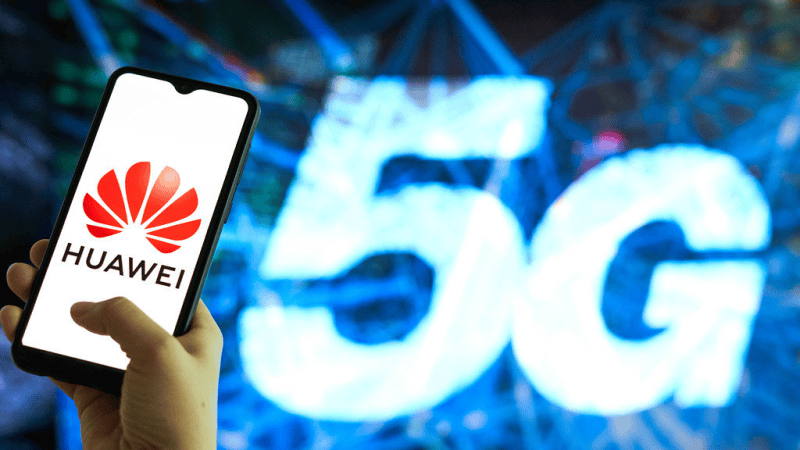
The United States wants NATO to treat Chinese technology in telecom networks as a security issue, not only as a 5G, regulatory or commercial problem. The question is no longer just who builds the network. It is whether critical infrastructure used by allies in a crisis can rely on components from China.
The Trump administration is urging NATO allies to use defence-related spending to replace Huawei equipment in telecom networks and critical infrastructure. The timing is not accidental. Almost all NATO members agreed in 2025 to move towards the 5% defence spending target: 3.5% of GDP for core defence and another 1.5% for defence-related areas. Washington wants part of that second category to be used for network security, cyber resilience and the removal of high-risk vendors.
The message was reportedly delivered in Brussels by Joshua Young, the State Department’s China coordinator. He did not publicly name specific allies, but the discussion was understood to refer partly to Germany. This matters because Berlin has been one of the capitals where the Huawei issue has remained politically difficult. Replacing Chinese equipment would be expensive, would require negotiations with telecom operators and could provoke a reaction from Beijing.
The problem is not only Huawei as a company. The real problem is dependence on Chinese technology in systems that would matter during a crisis. Telecom networks, data flows, ports, energy infrastructure, military mobility and government communications increasingly depend on digital infrastructure. If these systems contain components from suppliers considered high-risk, then the issue stops being commercial and becomes strategic.

The European Commission has already labelled Huawei and ZTE as high-risk suppliers for telecom networks. But Europe is divided. Germany and Spain have resisted an EU-level ban, preferring to keep control at the national level. Their concern is understandable from a political perspective: an EU-wide ban means costs, legal disputes, pressure from operators and the risk of Chinese retaliation. But postponing the decision does not remove the security problem.
For Washington, the logic is clear. The United States removed Huawei from its own networks and now expects allies to move in the same direction. If NATO wants to speak seriously about resilience, it cannot ignore the networks on which military command, logistics, emergency response and critical infrastructure depend. Tanks, missiles and aircraft matter. But it also matters whether the state can communicate, move forces, protect data and keep infrastructure functioning under pressure.
The issue will return at the NATO summit in Türkiye in July. It will also test how allies interpret the new 1.5% category of defence-related spending. Some governments may want to count broad infrastructure projects under this heading. Washington wants the money to go into concrete security measures: cyber defence, protected communications, network resilience and the replacement of risky suppliers.
See also 

For Germany and Spain, the most difficult part will be political. Removing Huawei means costs and conflict with operators. It may also create tension with China. For the United States, this is already a security question. Washington is using the defence spending debate to force a decision that many European capitals have delayed for years.


