












- WIADOMOŚCI
What is the EU up to in 2026?

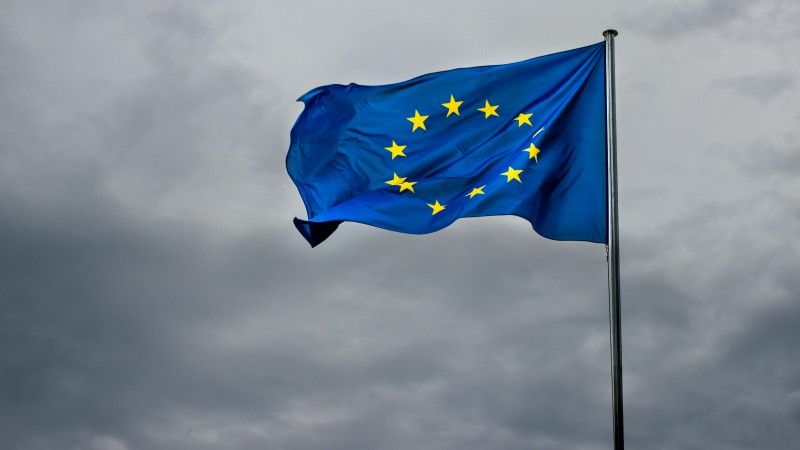
Photo. Pexels/Dušan Cvetanović
Security, competitiveness, and simplification — these three buzzwords will dominate the EU’s legislative agenda in 2026. Here is what to expect in detail.
It will be a busy year in Brussels. The EU’s three core institutions — the Parliament, the Council, and the Commission — have just agreed on which proposals should take priority in the legislative pipeline.
Defence and security still first
Since 2022, security has been dominating the EU’s agenda, and 2026 will be no exception in that regard.
The Union will push to consolidate the European defence market, with new legislation on joint capability development and common procurement. Much could improve once the Defence Readiness Omnibus enters into force, which is expected to streamline public procurement procedures, ease regulatory burdens for industry, and expand access to finance.
By mid-2026, the EU wants to tighten control of its external borders through the Return Regulation. The proposal aims to create a Common European System for Returns, aligning procedures across member states to make returns swifter, simpler, and more effective. The case for harmonisation is strong: today, only around one in five third-country nationals ordered to leave the EU actually return.
The institutions will also push ahead with the Critical Medicines Act, designed to strengthen the EU’s health resilience and self-sufficiency. The initiative would diversify supply chains, promote joint procurement, and support EU-based manufacturing of key medicines, including antibiotics, insulin, painkillers, and vaccines, to better absorb supply shocks.
Furthering on Draghi's agenda: competitiveness and simplification
Competitiveness and simplification will stay at the top of the agenda as Brussels turns the Draghi Report into legislation.
One initiative to watch closely is the „28th Regime” for innovative companies, whose legislative proposal is scheduled for the first quarter of 2026. Long advocated by European business, it would offer young and small innovative firms an optional, EU-wide legal framework. If delivered as intended, it could cut administrative burdens, legal complexity, and additional costs — which some estimates compare to an effective 110% „tariff” on services — while improving access to capital.
The Single Market simplification drive will also continue through the rollout of two „Omnibus” packages. The first targets SMEs, streamlining procedures and cutting compliance burdens, while the second focuses on the digital rulebook, simplifying requirements across AI, cybersecurity, and data.
Crises to handle
Measures to address the automotive and energy crunches rank also among the EU’s legislative priorities.
The Commission’s newly proposed automotive package would give under-pressure carmakers more time and flexibility in the shift to clean mobility, notably by easing CO₂ compliance targets. Yet the industry is already questioning whether the package tackles the structural roots of the crisis and genuinely supports its competitiveness. If pressures persist, Brussels may be forced to return with additional measures in 2026.
At the same time, the EU is set to urgently back the modernisation of Europe’s electricity grid to accommodate an expected 60% increase in energy consumption by 2030, alongside the transition to a more digitalised, decentralised, and flexible system. The problem is real but rarely discussed: countries such as the Netherlands and Poland are already facing serious grid congestion issues, as infrastructure is lagging behind the rapidly rising supply of electricity from renewables.


