












- KOMENTARZ
- OPINIA
- WIADOMOŚCI
Building a drone critical mass – Dronowisko 26

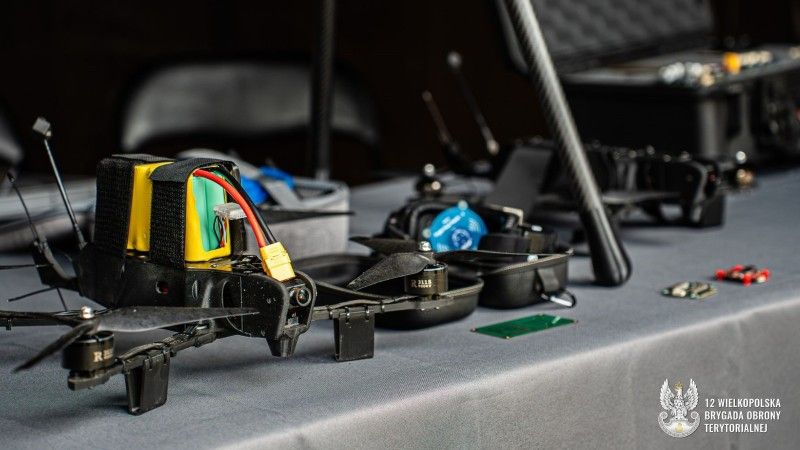
Photo. 12 WBOT, st.szer.spec. Łukasz Musiał
To revolutionise military affairs in such a crucial area as drones and robotics, it is essential to create a critical mass of people, innovations, and doctrinal solutions. Projects such as „Dronowisko 26” are part of the process supporting this goal within the Polish Armed Forces. This year, Defence24 observed this important event firsthand.
Unmanned systems have long been a benchmark for the development of armed forces worldwide. Looking at the market for emerging military and dual-use technologies, it is clear there is no turning back. Therefore, it is not surprising that, for example, within the „Big Seven” framework, the Polish Armed Forces have included priorities related to drones and robotics. However, to effectively implement strategic assumptions, it is essential to create synergy in human resources development, understand the technological landscape, including research and development, and incorporate these changes into the mindset at all levels of command and control within the armed forces. The best way to achieve this goal is to create a space for periodic discussions and practical workshops that facilitate the integration of the entire drone system in Poland. One element of this groundwork is the important event „Dronowisko 26”. The Territorial Defence Forces organised it in the atmospheric spaces of Rydzyna Castle from July 1–5, 2026.
It can be argued that the organisers played on the symbolism of the castle and the latest technologies defining the modern battlefield in a very interesting way. „Dronowisko 26” gathered several hundred participants in the lecture halls and adjacent areas, naturally dominated by soldiers from the Territorial Defence Forces and operational forces. However, representatives from the uniformed services, civilian experts, and industry were also present. The presence of the Police, State Fire Service, Volunteer Fire Department, representatives of the State Forests, and various defence organisations and institutions interested in developing competencies in the use of unmanned systems was noticeable. Importantly, each participant, based on their specific service and work, was able to share critical assessments, supporting the lessons-learned processes necessary for the effective development of these technologies for security and defence purposes.

Photo. 12 WBOT, st.szer.spec. Łukasz Musiał

Simply put, the 12th Wielkopolska Territorial Defence Brigade, along with the 125th Leszczyński Light Infantry Battalion, perfectly captured the concept of a drone ecosystem, one that defies the thinking patterns of 20th-century defence definitions. Bringing together exceptional individuals who are, above all, ready for open discussion and the exchange of experiences provides a significant resource for the Polish Army, one that can be utilised. During the speeches, it was clear that attendance at this event is increasing year by year. It is worth noting that Ukraine highlighted that the effectiveness of the drone system stems from the military’s innovation and flexibility, the ability to rapidly transform its industry (from large to small companies), and the use of new technologies (from software modifications to 3D printing). Today, we are talking about a two-vector effect: strategic process programming from the perspective of the state and the armed forces, and a series of grassroots initiatives that strengthen the strategic dimension from a tactical perspective. It is important to emphasise that our NATO allies are also adopting similar principles.

Photo. Jacek Raubo/Defence24

It is worth highlighting the topics discussed by participants at „Dronowisko 26”, as they best reflect the complexity of conventional drone and robotic systems, perceived as a process. The audience was familiarised with regulations regarding flight safety and the designation of flight zones (presented by PANSA/PAŻP). Industry presentations were particularly interesting. PGZ and Belma emphasised the need to analyse not only the UAVs themselves but also their effectors. One topic that emerged was the synergy between UAVs and mine-laying systems, including from a border perspective. There were also presentations on the roles of UAVs and AI on the modern battlefield, the role of FPV systems, and the use of UAVs in ISR missions. This perspective explored new and evolving applications and uses for machines, especially their sensors and software.
Experts also offered advice on how to harden UAVs against damage to their electronics and overall structure, noting that war and crisis conditions are the greatest test of our perception of the ability to operate specific equipment. Presentations addressed 3D printing, drone component production, and inventory management, which, given the potential for challenging logistics systems, are becoming crucial areas of analysis. There was also a discussion of defence issues, including the detection and use of jammers and the protection of critical infrastructure. Importantly, there was a strong understanding that UAVs must operate in networked relationships with land-based systems, for example, the increasingly popular and visible use of UGV platforms, including legged robots.

Photo. Jacek Raubo/Defence24

However, „Dronowisko 26” itself was not limited to classroom discussions. As the organisers assured, subsequent exercises involved operating in conditions as close to the real world as possible. Participants were tasked with implementing scenarios utilising critical infrastructure, including road and rail, located within the Permanent Area of Responsibility of the 125th Leszczyński Light Infantry Battalion. The organisers agree that this solution allows them to improve cooperation between the Territorial Defence Forces, services, and public administration when responding to potential threats and crisis situations. Analysis of recent months and years has clearly highlighted that these are essential competencies in times of peace and crisis, but they also translate into the state’s defence capabilities.
Observing the „Dronowisko 26” event, it is important to emphasise the growing number of people striving not only to improve their drone skills but also to share them. Human capital is an essential resource, one that cannot be replaced by even the largest equipment purchases and investments. Furthermore, „Dronowisko 26” clearly emphasised the importance of cooperation among the research sector, industry practitioners, and end users. Walking around the external company stands, one could listen to interesting dialogues that helped both sides better understand their needs and capabilities. At the same time, voices calling for accelerating processes in the armed forces could be heard at „Dronowisko 26”. The Polish Army therefore has a foundation of exceptional individuals with open mindsets, which should now be utilised when planning the broader development of drones and robotics. Finally, great praise is due to the 12th Wielkopolska Territorial Defence Brigade and the 125th Leszczyński Light Infantry Battalion for their efficient organisation.


