- WYWIADY
- WIADOMOŚCI
America's invisible shield. How does NORAD work today?

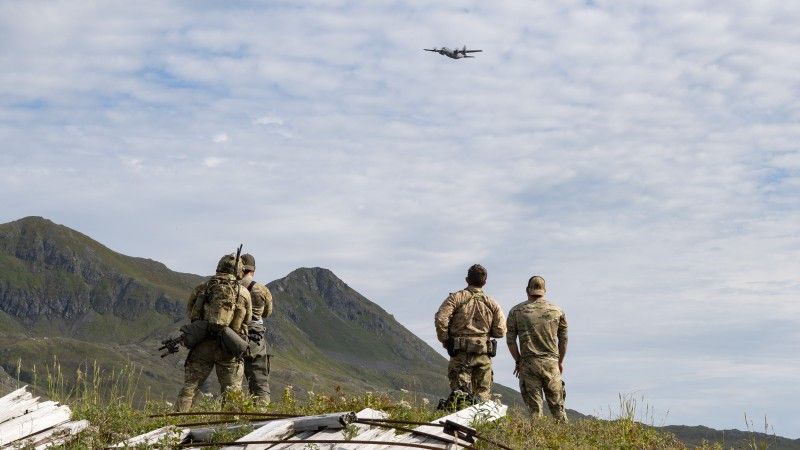
Photo. NORAD / Matthew Dickinson
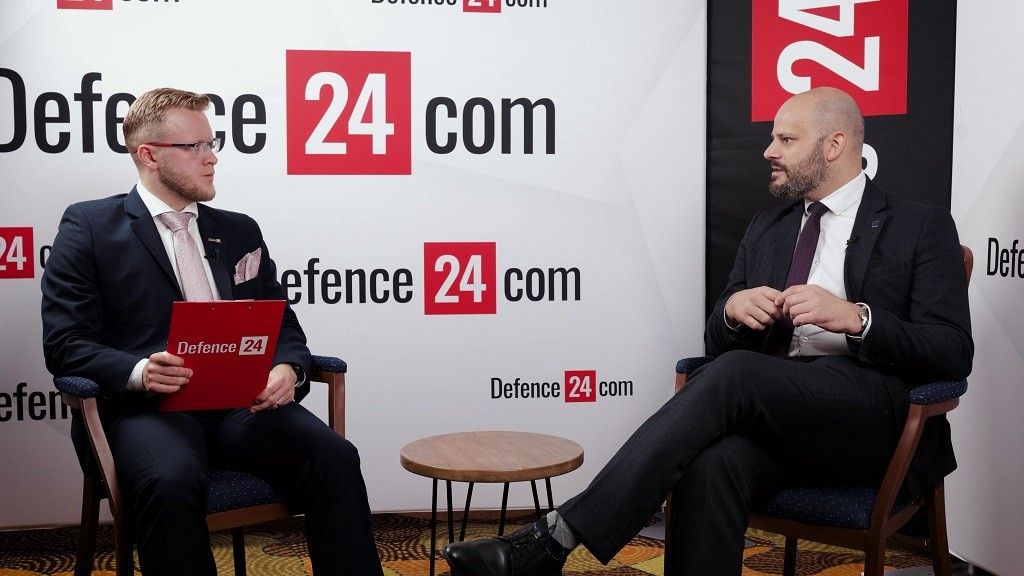
Drones, cyber attacks, missiles — NORAD has defended North America for nearly 70 years, and the threat picture changes faster than ever before. Dr. Aleksander Olech speaks with Tamir Waser, Senior U.S. Foreign Policy Advisor (POLAD) at NORAD and USNORTHCOM, about the changing security environment, emerging technologies, and transatlantic relations.
Dr. Aleksander Olech: How do you assess the current security environment in North America, particularly in light of evolving global threats?
Tamir Waser: North America faces multiple all-domain threats that grow more complex and diverse by the day, as adversarial nations, malign actors, and transnational criminal organisations generate ubiquitous challenges to our nations« citizens, institutions, and vital interests. Threats to North America continue to expand as our potential adversaries develop new multi-domain capabilities. They believe that fielding advanced long-range weapons will deter a U.S. strategic attack and constrain our options in a crisis. Flashpoints throughout the globe have the potential to escalate into strategic conflicts.
What are the key priorities for NORAD and USNORTHCOM in the coming years?
The core priority for both commands is the defence of the homelands. Nearly 390 million people across the United States and Canada rely on us to keep them safe, as we have done for nearly 70 years. We are also building strong networks with partners. Both commands work with intergovernmental and industry partners to capture the capabilities and relationships necessary to deter, defend, and — if necessary — recover quickly from attacks on our national infrastructure.

Our homeland defence mission relies on cooperation and coordination across the U.S. and Canadian governments. USNORTHCOM works with military partners in Mexico, Canada, The Bahamas, and the Kingdom of Denmark to improve regional domain awareness, share information, and cooperate against shared security challenges — especially given the efforts of adversary nations to gain influence in the Western Hemisphere. To do these things, General Guillot is committed to developing the military and civilian workforce that carries out these vital missions.
How is cooperation between the United States and its allies evolving in terms of air and missile defence?
NORAD has been a leading example of integrated air defence among allies for nearly 70 years. As the threat has evolved, so has NORAD, adjusting operations and tactics to meet the modern environment. Domain awareness from the seabed to space is crucial to air and missile defence — you cannot defeat what you cannot see. NORAD and USNORTHCOM continue to enhance domain awareness using new technologies and by sharing information with allies to build a better picture of possible threats.

What lessons learned from recent conflicts are most relevant for strengthening homeland defence?
The use of drones in conflict has highlighted the importance of developing effective and efficient defences against them. We have also seen how terrorist groups, including those acting as state proxies, increasingly attempt to inspire individuals to act in support of the group’s cause. These kinds of threats are harder to track than those planned and directed by the group itself, requiring new tools to defend against them. We have also seen the use of new missile types designed to fly faster and lower, evading current radar systems and requiring the adaptation of techniques and tools to track and intercept them.
How do you see the role of emerging technologies — such as AI, cyber capabilities, and space assets — in future defence planning?
The rapid pace of change in the strategic environment — including advancing kinetic and non-kinetic threats and the increasing exploitation of the information and cyber space — requires new approaches, technologies, and perspectives to defend the homelands. NORAD and USNORTHCOM are using AI to support decision-making and enhance domain awareness. The commands are strengthening our networks, which are under constant attack, to prevent adversaries from using cyber attacks to degrade our ability to carry out our homeland defence mission. Space assets have long been crucial to our ability to identify and track threats to the United States and Canada, and their importance is growing as potential adversaries develop new tools designed to threaten the homelands.
What are the main challenges related to hybrid threats and grey-zone activities in the North American context?
Hybrid threats and grey-zone activities are designed to obscure the nation or group carrying out the attack, complicating the response by the affected state. This is as true in the North American context as anywhere else.
How important is transatlantic cooperation when it comes to collective security and deterrence?
The homeland defence mission of NORAD and USNORTHCOM is strengthened by cooperation with allies and partners. Our transatlantic allies are important to our ability to identify, track, and — if necessary — defeat threats before they reach our shores. They are also valued partners in building integrated deterrence.
See also Baltic defence and transatlantic unitySponsored
What role can Central and Eastern European partners play in strengthening NATO’s overall resilience?
Central and Eastern European partners have important lessons to share on resilience. The cyber and hybrid attacks they have faced, and the way they have responded, provide valuable insights to help other countries be better prepared in the future. Some countries have created projects to prepare their publics for crisis and build resilience — models that other nations can use to develop their own plans. The Homeland Defense Institute, a collaboration between NORAD, USNORTHCOM, and the United States Air Force Academy, is expanding its outreach to partner nations to deepen our ability to benefit from their experiences and lessons learned, and to enhance homeland defence and resilience in North America.