












- WIADOMOŚCI
- WYWIADY
Donald Trump and the new rules of American diplomacy

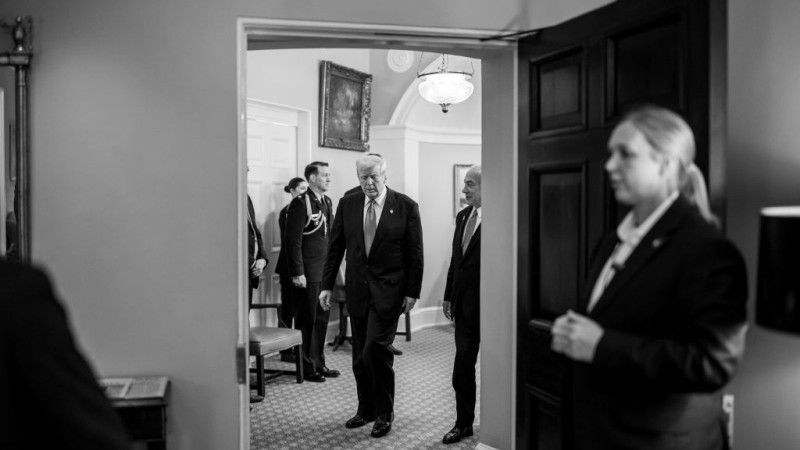
How Donald Trump’s unconventional foreign policy shapes the Middle East peace process?
Magdalena Górnicka-Partyka: My first question concerns Donald Trump’s approach to the Middle East peace process and the region as a whole. In which areas does it differ from previous U.S. presidents?
Professor Boaz Atzili: It differs in several key ways. First, Trump has a fundamentally different worldview. The Biden administration represented a traditional American approach valuing democracy, human rights, and institutions. Even when these conflicted with U.S. interests, the rhetoric and general direction remained pro‑democratic.
Trump does not operate within those constraints. He prefers dealing with autocratic regimes he considers „successful” - often meaning wealthy. Liberal values or human rights issues are not central to his thinking. His foreign policy is transactional and deal‑oriented, even in matters of territory, where norms such as territorial integrity carry less weight.
Earlier administrations relied on traditional diplomatic tools and the expertise of institutions like the National Security Council and the State Department. Under Trump, diplomacy is more direct and detached from institutional structures, with decisions shaped by a small circle of advisers, such as Kushner and Witkoff.
Do you see this unconventional approach as a strength or a weakness? What would you identify as his main advantages and drawbacks in diplomacy, especially regarding the Middle East peace process?
It is both a strength and a weakness. On the positive side, unconventional channels can sometimes help reach an agreement. For example, in negotiations between Israel and Hamas, direct contact may be more effective than using intermediaries such as Qatar or Egypt, who pursue their own interests.
Trump also had no hesitation about publicly pressuring Netanyahu - something Biden avoided due to domestic political constraints. This at one point allowed Trump to push Netanyahu into signing an agreement.
However, the downside is the lack of preparation and detail in these agreements. They produced headlines without substance. Essential components - such as the mandate of an international force in Gaza - were left undefined. Without institutional expertise, many gaps emerged, and the parties to the conflict have used them to stall progress.
Another weakness is concentrating too many responsibilities on Witkoff, who handles Israel, Gaza, Ukraine, and Iran simultaneously - an impossible workload.
Do you think the peace process can hold? Trump has described it as an „eternal peace.” What does the future look like?
It’s certainly not the „greatest peace in 3000 years.” What we currently have is a fragile ceasefire. Still, there is a chance of moving to the second phase - if Trump again applies strong pressure on Netanyahu.
Saudi Arabia is crucial. They will not proceed without a path toward Palestinian statehood, which is unacceptable to the current Israeli government. If Netanyahu remains prime minister after the next elections, meaningful progress is unlikely - and stagnation in the Middle East usually leads to deterioration.
Nonetheless, it is possible to achieve the second phase: Israeli withdrawal from most of Gaza, deployment of an international force, and establishment of a technocratic Palestinian government. Disarming Hamas is the most delicate issue and must proceed gradually and with agreement, not by force.
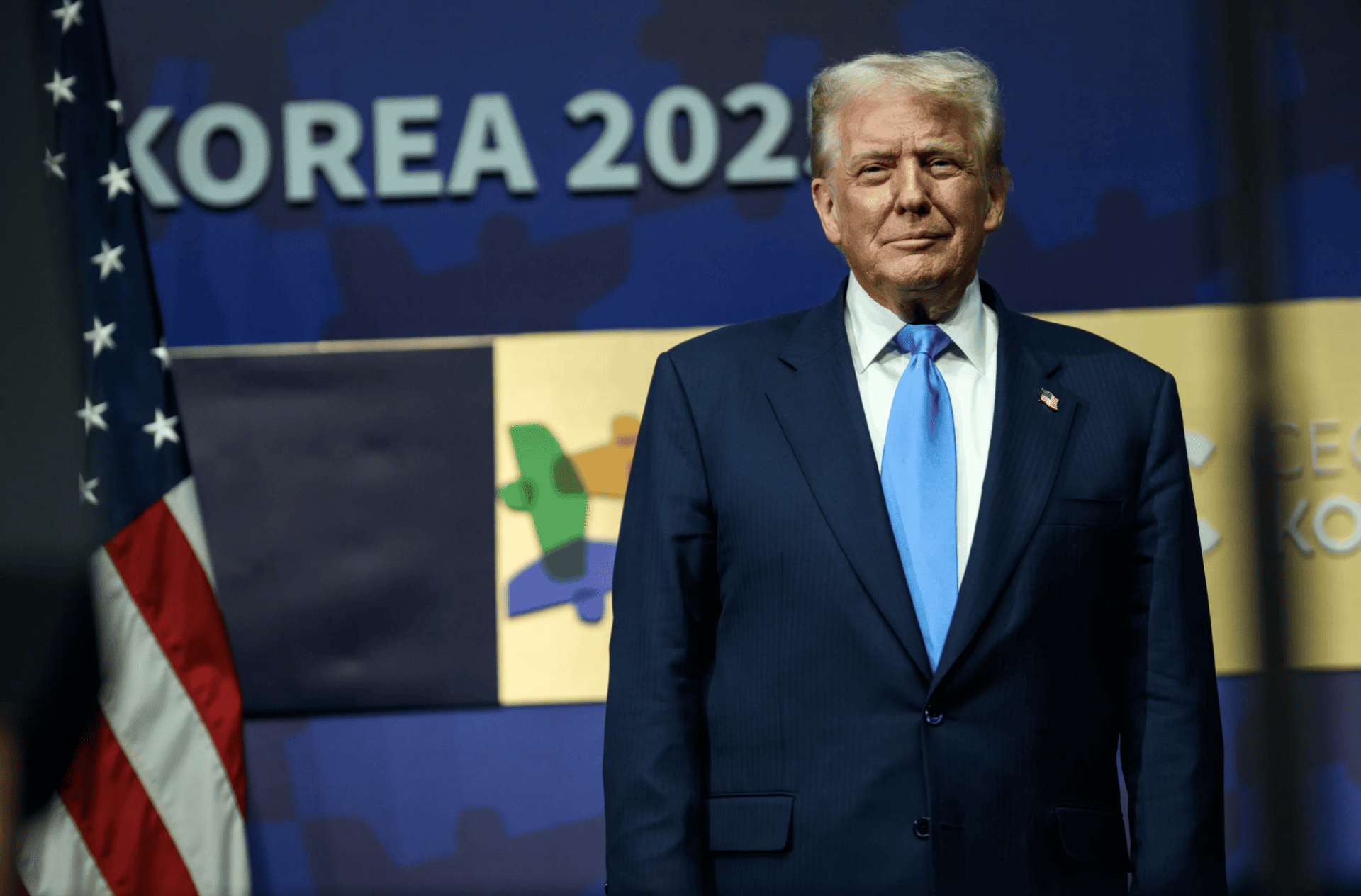
Will the U.S. be willing to engage in the next phase of the process, given that the new national security strategy does not list the Middle East as a priority?
True, the Middle East is not a strategic priority - but no administration since Obama has managed to disengage from it. The region does not allow itself to be ignored.
Trump has two reasons to stay involved. First, he wants to maintain the narrative that he alone can bring peace to the Middle East - something that requires continued progress. Second, he sees economic opportunity: combining Israeli technology with Gulf capital could drive growth, benefiting the U.S. and his inner circle.
Trump has strong ties with Gulf leaders, which gives them leverage to push him, and him leverage to pressure Netanyahu.
Finally, what do you think the future holds for the Trump–Netanyahu relationship?
Trump does not have a deep personal connection with Netanyahu and could easily drop him if a more promising partner emerged. Initially he expected constructive cooperation, but Netanyahu’s breach of the first ceasefire and his attempts to prolong the war undermined that expectation.
Trump and his advisers have observed growing public opposition to Netanyahu in Israel. This likely affected their thinking.
Trump is not bothered by Israel’s authoritarian drift; the problem is the lack of a clear political alternative, as the opposition is fragmented despite leading in polls. But if Trump identifies a viable replacement - and as isolationist voices within the Republican Party grow louder in rejecting Netanyahu - he may shift his support.
Such a shift would open the door to truly ending the war and creating conditions for future peace talks, though it remains difficult to predict if and when this will happen.
Dr. Boaz Atzili is a professor at the Foreign Policy and Global Security department in the School of International Service of American University in Washington DC. He is an expert in international security with a focus on territorial conflict and peace in the Middle East and South Asia.


