- WIADOMOŚCI
- ANALIZA
- KOMENTARZ
France embraces adaptive deterrence. Poland joins forward nuclear deterrence programme

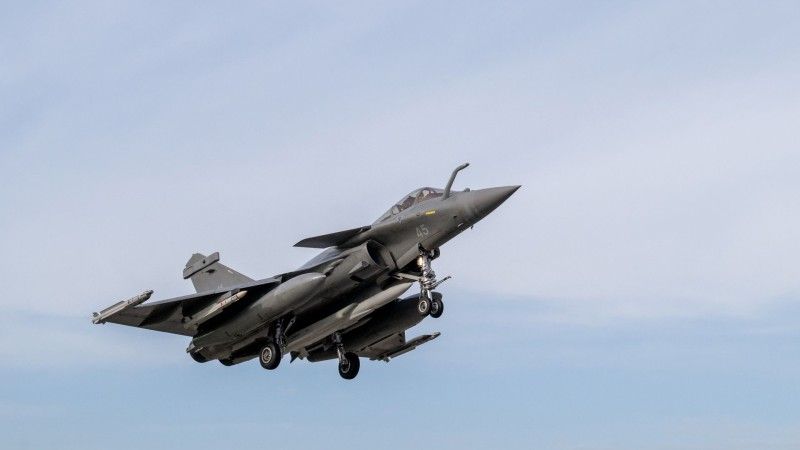
France intends to expand its nuclear capabilities but has no intention of engaging in a demonstrative arms race with Russia. Among French military officials, the concept of dissuasion adaptée (adaptive deterrence) is gaining importance, based on adapting responses to the adversary and maintaining strategic uncertainty. At the same time, Paris is developing its dissuasion avancée (forward nuclear deterrence) programme with ten European countries, including Poland. However, the French proposal has its limitations, and ultimate nuclear decision-making authority will remain exclusively in the hands of Paris.
France does not intend to engage in a competition based on constantly demonstrating its nuclear capabilities, deploying additional weapons systems or organising exercises primarily intended to display military strength. The French want to develop their own capabilities without having to constantly prove their effectiveness. This does not mean abandoning strategic signalling, but rather adopting a different approach to its use.
A central element of the French approach is maintaining uncertainty in the adversary’s calculations regarding France’s actual military capabilities, the possible ways in which they could be employed and the limits of the French response. An adversary should not know precisely what actions Paris is prepared to take during a crisis, nor should it be confident that it has correctly assessed French capabilities.

France will not show all its cards
This is where the concept of dissuasion adaptée (adaptive deterrence) comes into play. It is not a separate, officially announced doctrine, but rather a way of describing the direction in which French nuclear thinking is developing. Deterrence should be adapted to a specific adversary, its behaviour, military capabilities, methods of conducting military activities and the evolution of the threat – meaning one approach towards Russia and another towards North Korea.
Above all, France wants to create “strategic dilemmas” that will complicate an adversary’s decision-making. Paris also emphasises the importance of controlled disclosure of information concerning its nuclear capabilities, including the possibility of deliberately introducing ambiguous or misleading messages into the public domain.
Under this approach, uncertainty becomes one of the most important instruments of deterrence. Until the very last moment, an adversary should remain uncertain about both French capabilities and the possible response to escalation. This applies not only to the Russian Federation, but also to other countries that could threaten France’s vital interests.
At the same time, France will continue increasing investment in the development of its nuclear arsenal. Modernising its nuclear forces will remain one of the country’s most important undertakings, regardless of other defence investments.
However, a return to the nuclear triad should not be expected. Re-establishing a land-based component would lack strategic justification, as fixed missile installations would be among the adversary’s first targets. The United States and China can maintain extensive land-based nuclear forces thanks to their much larger territories, whereas France does not possess comparable strategic depth. Consequently, the sea-based and air-based components will remain the foundations of French nuclear deterrence.
Ten countries, but Paris alone decides
Meanwhile, Paris is developing dissuasion avancée (forward nuclear deterrence), an initiative involving ten European countries: Poland, Germany, the United Kingdom, Belgium, the Netherlands, Denmark, Sweden, Norway, Finland and Greece. Finland was the latest country to join the initiative, announcing its decision on 14 September 2026.
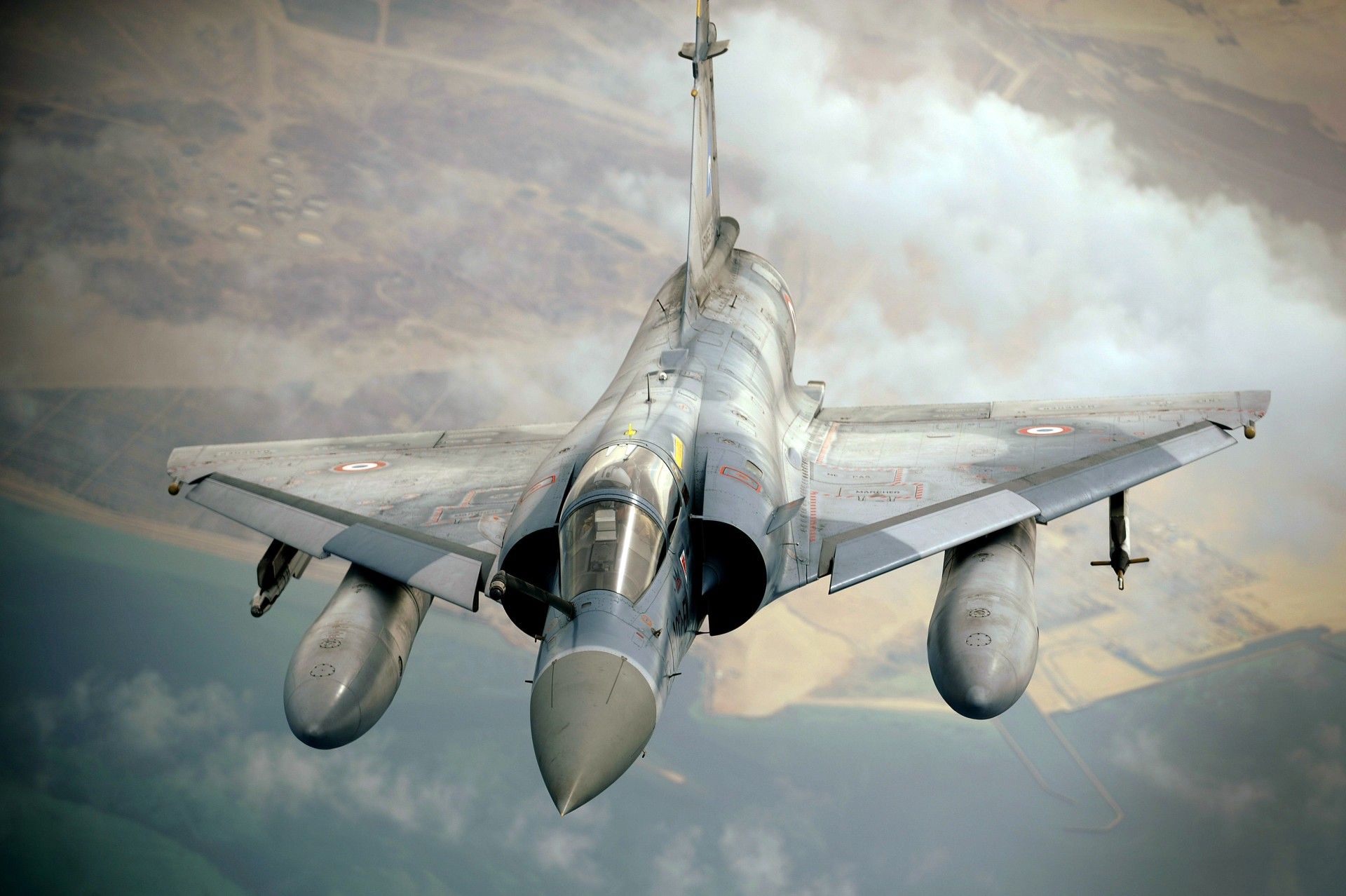
The programme envisages closer military cooperation, joint exercises, participation by partner countries in nuclear deterrence activities, the establishment of working groups, information exchanges, observation activities and the possible temporary deployment of elements of French strategic forces on Allied territory.
In Poland’s case, cooperation has already entered an institutional phase. The first meeting of the Polish-French nuclear steering group took place in Paris on 10 July 2026. Nevertheless, closer military cooperation should not be confused with France assuming responsibility for the nuclear security of every country participating in the programme.
All decisions concerning the vital interests of the French Republic, possible escalation or the use of nuclear weapons remain in the hands of the President. Military officials can prepare scenarios, develop capabilities and conduct exercises, but the decision to use nuclear weapons belongs exclusively to the French President.
The French offer also responds to growing European doubts about the credibility of American nuclear deterrence. Paris is receiving increasing signals from Allied countries questioning the reliability of the United States in the context of Donald Trump’s policies.
However, this is not an official proposal to replace the American nuclear umbrella. Paris formally presents forward nuclear deterrence as an initiative intended to complement NATO’s deterrence, while preserving the complete independence of French nuclear policy. Importantly, France does not intend to transfer decision-making powers to its partners or establish an automatic nuclear response mechanism. France has no intention of jointly planning nuclear operations or creating “possibilities” for its allies to use nuclear weapons.

Artur Kacprzyk, an analyst at the Polish Institute of International Affairs (PISM), points out:
“The French approach to nuclear deterrence creates major challenges for developing such cooperation. Firstly, excessive ambiguity about the geographical extent of the nuclear umbrella could encourage Russia to test its limits. Particularly since Putin is capable of making serious miscalculations, as he did in 2022 regarding Ukraine’s willingness to fight and the West’s readiness to support it.
“Secondly, steps that appear significant from the French perspective may seem modest to its partners. This is the case, for example, with Allied observers participating in French exercises. France takes a dogmatic view of the “independence” of its nuclear deterrent, and this remains a sensitive domestic issue. Even supporters of “forward deterrence” would therefore prefer cooperation with allies to develop gradually. Consequently, it will probably take considerable time before we see French nuclear aviation exercises over NATO’s eastern flank.”
From Paris’s perspective, European partners must resolve their own doubts about the credibility of French deterrence. Paris has no intention of adapting its doctrine to the expectations of individual countries.
France's nuclear umbrella is not free
The greatest challenge, therefore, remains the actual scope of France’s vital interests and the place of Central and Eastern Europe in Paris’s strategic calculations. Poland, despite participating in the forward nuclear deterrence programme, does not occupy a central position in French thinking on nuclear deterrence.

From the French perspective, cooperation with partners is primarily intended to enhance France’s position, strengthen military capabilities and complicate the adversary’s calculations. This does not mean that the French nuclear arsenal will become an instrument for the automatic defence of every country participating in the programme. France intends to develop an increasingly powerful nuclear force and deepen European cooperation, but the decision to use these weapons will remain exclusively with the President.
Paris expects its partners to contribute conventional military capabilities, demonstrate a willingness to cooperate and participate in multinational armaments projects. The nuclear “umbrella” must also benefit the country holding it.
As Artur Kacprzyk concludes:
“Dialogue with France will therefore be a ‘tug of war’, because it will be in the interests of Poland and other allies to demonstrate as visibly as possible how far French forward deterrence extends.”
Warsaw must therefore regularly and firmly press Paris to make military relations as durable as possible, particularly through joint military exercises. It is much better to have “guarantees” – even if they are only political – from two nuclear powers rather than one.
Besides, Russia fears nuclear weapons… and that’s a good thing!