












- KOMENTARZ
- WIADOMOŚCI
Sweden to keep Patriot systems in Poland in 2027. New NATO defence plans

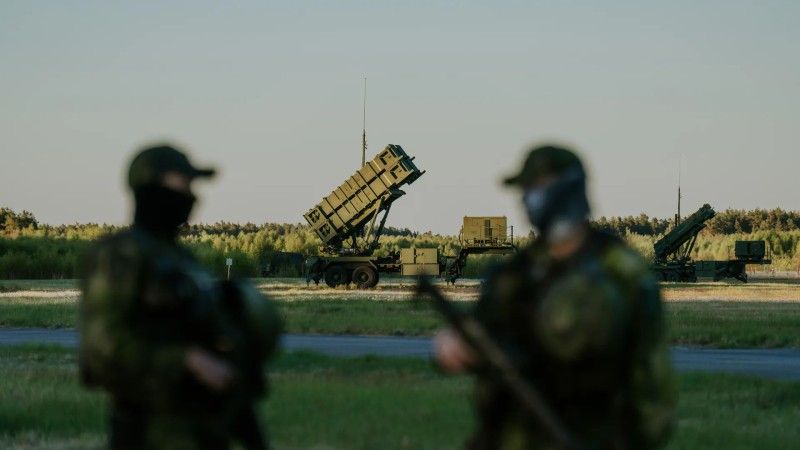
Sweden intends to extend the deployment of its Patriot air defence systems in Poland into spring 2027. Stockholm is also preparing a broader military commitment to NATO’s eastern flank, covering Finland, Latvia, and maritime and air operations. Defence Minister Pål Jonson has stressed that Russia remains the most serious threat to Sweden’s security, which is why Swedish forces will continue strengthening their contribution to Allied deterrence and defence.
The most important development for Poland concerns the Patriot systems. In December 2026, Sweden plans to deploy an air defence unit to Poland to protect a strategic NATO logistics hub used to deliver military equipment and civilian assistance to Ukraine. Stockholm now intends to maintain this capability during spring 2027, subject to parliamentary approval. This will be the first operational deployment of Swedish Patriot systems under NATO command.
The Swedish contingent is expected to comprise approximately 100 personnel, primarily from the Lv 6 Air Defence Regiment in Halmstad, supported by personnel from Blekinge Air Wing F 17. Sweden will replace the Dutch contingent currently performing similar duties, with the operation conducted under NATO Air Command. Importantly, Sweden has already deployed Gripen fighters to support the protection of Polish airspace. It now intends to provide ground-based air and missile defence capabilities as well.

Sweden expands its military presence
The Swedish government has also presented broader plans for its armed forces’ participation in NATO operations in 2027. The proposal would authorise the deployment of up to 3,900 land personnel, 850 naval personnel and 600 personnel in the air component. These figures represent maximum authorised levels rather than the number of troops expected to be deployed simultaneously. They will allow Stockholm to allocate forces to different Allied operations depending on the security situation.
Finland is particularly important, as Sweden serves as the framework nation for NATO’s Forward Land Forces Finland. Stockholm plans to maintain a contingent of up to 600 personnel, with the possibility of increasing this to 2,500 should the security situation deteriorate. The units will be based primarily in Boden, Sweden, but will be able to operate in Finland and Norway. Swedish military personnel will also serve in the multinational headquarters element in Rovaniemi, Finnish Lapland.
A similar commitment is planned for Latvia, where Sweden and Denmark will continue rotating their units as part of the Canadian-led multinational NATO force. The Swedish contingent is expected to comprise up to 600 personnel, with the possibility of increasing this to 1,200. Troops stationed in Ādaži will also be able to conduct operations in Estonia, Lithuania and Poland. At the same time, Stockholm is preparing to contribute naval vessels, combat aircraft and special forces to further NATO operations in the Baltic Sea and North Atlantic.
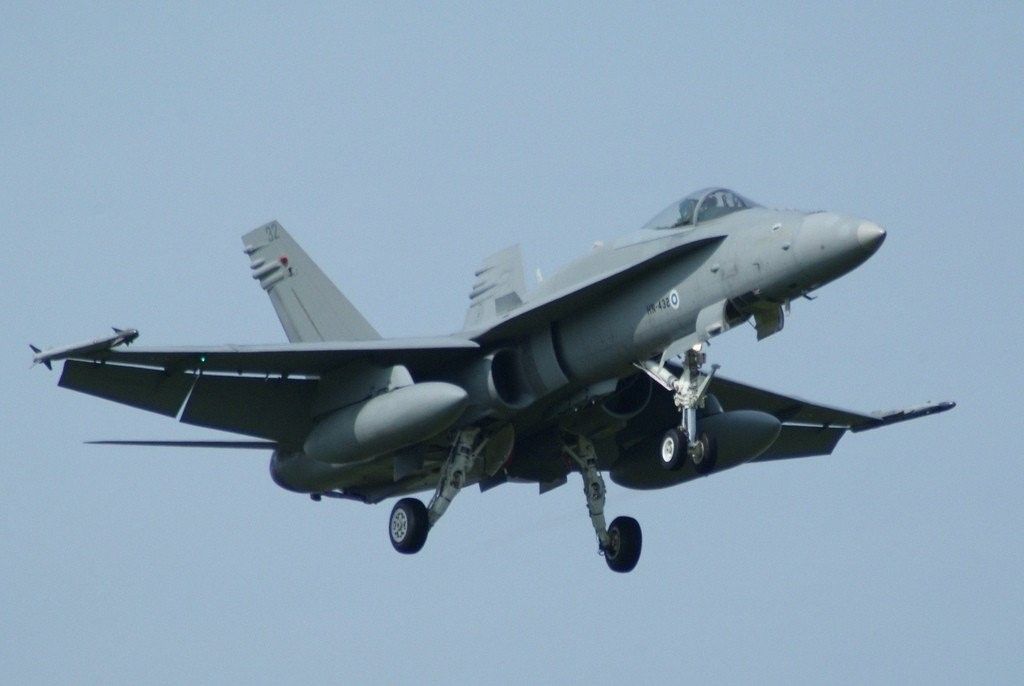
For Poland, the continued deployment of Swedish Patriot systems is particularly important because they will protect infrastructure used to sustain military assistance to Ukraine. Meanwhile, Swedish ground forces will contribute to the defence of Finland and the Baltic states, reinforcing the northern sector of NATO’s eastern flank. Sweden, which remained outside the Alliance for decades, is now preparing for sustained military operations beyond its own territory, including directly in Poland. Its contribution already extends beyond ground forces and aviation to air defence systems responsible for protecting key routes through which military equipment reaches Ukraine.


