


- WIADOMOŚCI
- ANALIZA
Algeria sends troops to Niger. What about Russia?


Photo. Mass Communication Specialist Steven Harbour/U.S. Navy
Algeria has decided to deploy ground forces beyond its borders for the first time in over 50 years. The first units have already arrived in Niger, marking a major shift in the military policy of one of Africa’s most powerful countries. Terrorist threats, migration pressure from Mali, Russian military influence and competition over natural resources and energy routes are all part of the picture. Importantly, a series of political and military meetings is taking place simultaneously, involving Niger, Libya, Chad, Mali, Burkina Faso and France.
On 26 October 2026, Algerian President Abdelmadjid Tebboune decided to deploy military units to Niger following parliamentary approval. In the upper house, all 148 members present voted in favour, while the first Algerian troops arrived in Arlit, northern Niger, on 30 October. This is an unprecedented development since 1973, when Algerian soldiers participated in the Arab-Israeli War.
Interestingly, Algeria had already deployed four Su-30 fighter aircraft, an Il-76 transport aircraft and an Il-78 aerial refuelling tanker to Niger in August, responding to an attempt to destabilise the authorities in Niamey. Algeria possesses one of Africa’s largest arsenals of Russian-made weapons, while Russian Africa Corps personnel are also present in Niger. This does not mean that Algeria and Russia are conducting a joint mission, but it demonstrates how their interests increasingly overlap in the same region.

Mali, terrorism and migration
Algeria has faced security threats along its nearly 1,400-kilometre border with Mali for years. Terrorist activity, fighting in northern Mali and human smuggling have forced migrants and refugees towards Algerian territory. In October 2026, the Algerian authorities reported detecting an attempted mass crossing of their southern border by approximately 5,000 people, although it was not confirmed that all had arrived from Mali.
The problem is particularly serious because Algeria has spent decades attempting to contain these threats primarily within its own territory. Now, it has decided to intervene militarily in Niger, although the official justification also includes protecting shared economic and energy interests. These include projects involving Sonatrach, oil exploration and the planned Nigeria–Niger–Algeria gas pipeline, which could eventually supply gas to Europe.
A series of meetings...
The deployment of Algerian troops to Niger coincides with an exceptionally intensive period of diplomatic activity. On 1 November, Nigerien Prime Minister Ali Mahaman Lamine Zeine visited Benghazi, where he met representatives of the eastern Libyan authorities. Just two days later, General Khaled Haftar held talks in Paris with France’s Chief of Defence Staff, General Fabien Mandon. France was simultaneously engaging with representatives of the rival military authorities in Tripoli.
Meanwhile, Algerian Foreign Minister Ahmed Attaf met Chad’s President Mahamat Idriss Déby on 3 November, followed by Niger’s leader Abdourahamane Tiani the following day, delivering messages from President Tebboune to both. On 5 November, Malian leader Assimi Goïta visited Niger and Burkina Faso, discussing security, economic cooperation and the further development of the Confederation of Sahel States.
This does not yet mean that a single new alliance is emerging. However, Sahel countries are intensifying military and diplomatic cooperation, while Niger is becoming a meeting point for Algerian, Russian and regional interests. Moreover, Algeria is no longer prepared to limit its role to protecting its own borders, particularly when its security and energy projects depend on developments in neighbouring countries.
See also 
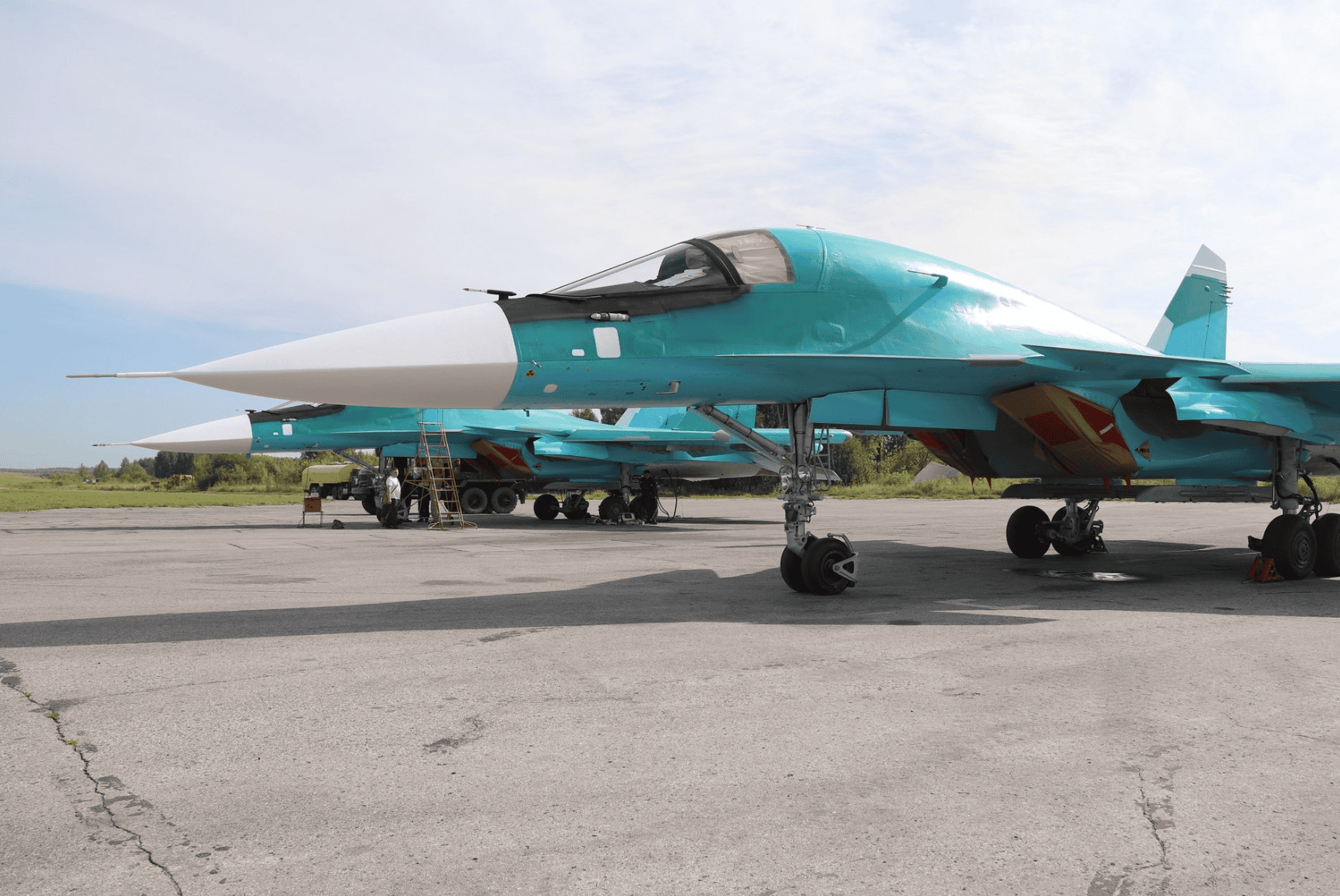
The most important development, however, is Algeria’s changing military approach. A country heavily equipped with Russian weapons, which avoided deploying its forces abroad for decades, has now decided to become directly involved in Niger, where Russia is also expanding its presence.
Algeria possesses one of the most powerful armed forces in Africa, with substantial air, land and air defence capabilities. For decades, much of this military potential remained concentrated on defending its own territory, despite growing threats across the Sahel. Now, Algeria may finally be prepared to use its military strength beyond its borders and play a much more active role in shaping regional security.
But Algeria is not the only military power in North Africa. Its principal regional rival, Morocco, has also been expanding and modernising its armed forces, while maintaining close defence relations with the United States and other Western partners. Algeria is beginning to move its troops beyond its borders. The question is whether Morocco, its main regional rival, will respond – and how.


