


- WIADOMOŚCI
Will Russia attack Estonia after the war? Minister talks about preparations

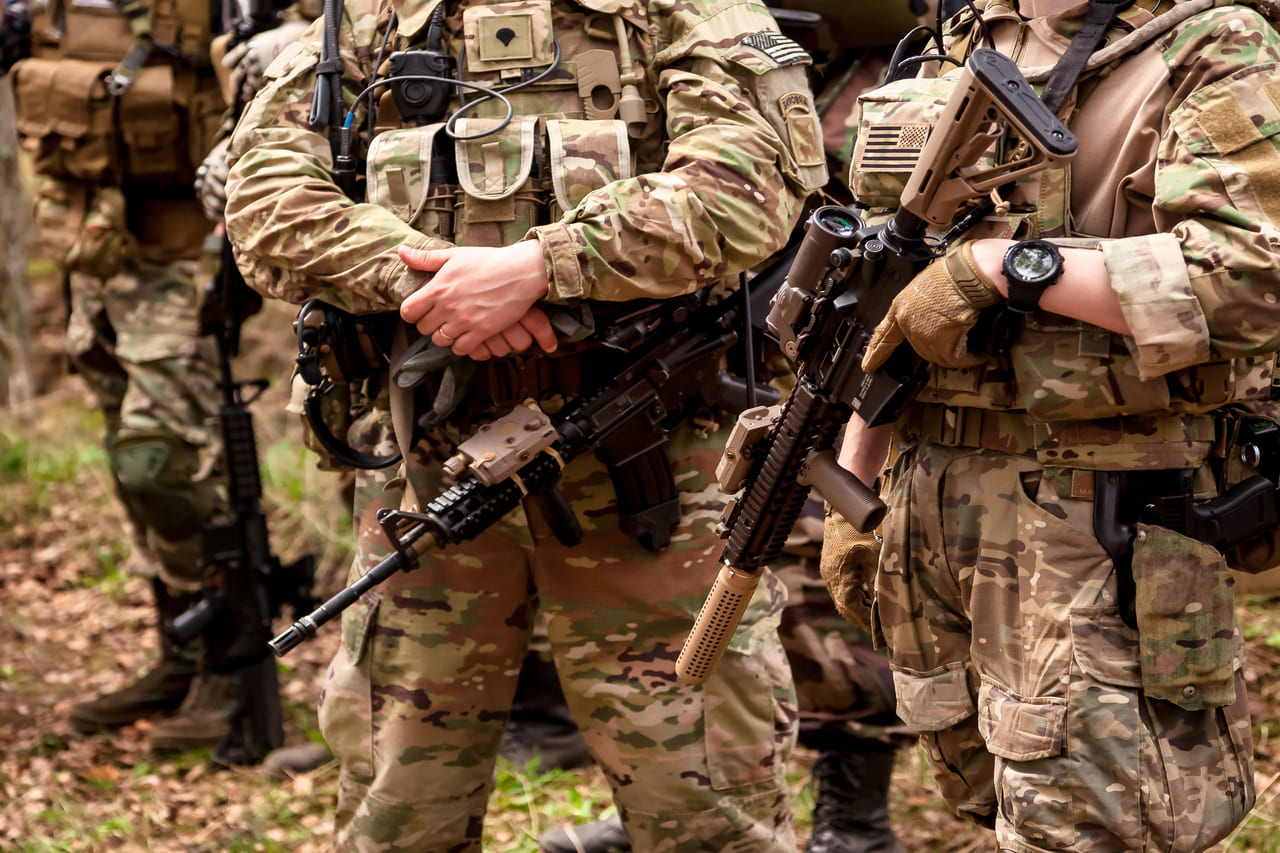
On Tuesday, 3 November, the Estonian Minister of Defence, Martin Herem, spoke to the Estonian public broadcaster ERR. He assessed that the conclusion of the war in Ukraine could lead to an increased threat from Russia towards Estonia. He also presented his formula for enhancing Estonian security.
Concerns of the Estonian Minister
On Tuesday, 3 November, Martin Herem – the Estonian Minister of Defence – spoke to ERR. He assessed that the coming years pose a serious threat to Estonia, and the end of the war in Ukraine could result in an increased threat from Russia towards Estonia. The Minister also discussed the opinions of Meelis Oidsalu, an Estonian security expert, who criticised what he considered to be Estonia’s overly ambitious armament plans.
See also 

“In my assessment, the next few years will be a period of quite a high threat. If the war in Ukraine ends, Russia may begin to threaten us, which is why we must develop certain capabilities very quickly and perhaps accept the risk that their subsequent maintenance will be somewhat difficult. In such a case, we could also move some of these capabilities to the reserve, so to speak. Oidsalu’s concerns are, however, justified in some respects, and regardless of the circumstances, we must take such issues into account,” said Martin Herem.
How does Estonia intend to prepare?
The Estonian Minister of Defence does not explicitly criticise voices suggesting that his country’s budget may not be able to sustain the currently undertaken armament plans. He states in this regard that in order to limit operating and wear-and-tear costs, some equipment may be moved to the reserve, and further suggests that it is possible to introduce restrictions on the use of weaponry – for instance, mileage limits for tanks, which reduce maintenance costs, although they simultaneously hinder training.
Martin Herem also points out that Estonia’s armament priorities include air defence, manoeuvre units, and reconnaissance. It is in this context that he suggests a possible change in the arms procurement structure, which would involve, for example, reducing the number of missiles purchased in favour of aircraft and air-to-air weapon systems. At the same time, he emphasises that modernisation does not necessarily mean an increase in the budget, as some previously planned purchases could be replaced by other solutions.


