












- WIADOMOŚCI
Brussels proposes entry ban on Russian war veterans

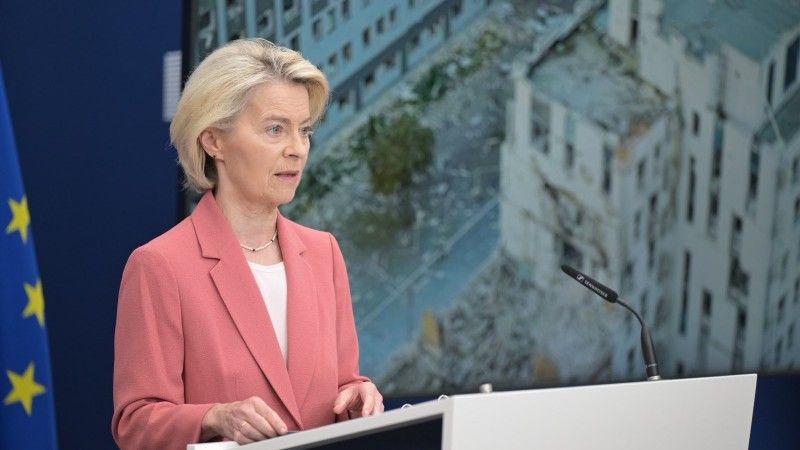
The European Commission has proposed a ban on entry into the EU for anyone who has served in the Russian armed forces since the beginning of the war in Ukraine.
As the war in Ukraine persists, discussions continue regarding further sanctions that can be imposed on the aggressor. As part of the 21st package, the European Commission has proposed establishing an entry ban to the European Union for anyone who has served in the Russian army since the start of the war in Ukraine. The growing number of veterans from this conflict could pose crime and security risks for the EU’s Schengen free-movement area.

In March of this year, several EU leaders came up with a similar initiative, sending a letter to European Council President António Costa and European Commission President Ursula von der Leyen. These leaders included the presidents of Lithuania and Romania, the prime ministers of Estonia, Finland, Poland, Latvia, and Sweden, and the Chancellor of Germany. The letter pointed out that many soldiers were recruited from prisons and could continue their criminal activities abroad after completing their service. The authors of the letter drew particular attention to the volume of Schengen visa applications coming from Russia. According to Politico, Russian nationals filed some 620,000 to 670,000 applications in 2025, ranking them among the top five nationalities seeking entry to the EU. Approximately four out of five applicants received entry permits.
During discussions on the next sanctions package, Ursula von der Leyen emphasised that energy sanctions on Russia will not be eased despite the fossil fuel price crisis. However, she noted that the EU mechanism for adjusting the price cap per barrel of Russian oil relative to market prices “was not designed for market shocks like the current one caused by the closure of the Strait of Hormuz.” The programme will be suspended until January of next year to give markets time to stabilise while maintaining pressure on Russia’s revenues. The mechanism involves adjusting the cap so that the price for Russian seaborne oil is 15% lower than the average market price over the last six months.

The 21st sanctions package would also cover financial services and cryptocurrency markets, as well as export and import bans. For the first time, sanctions will include the Russian fishing sector, one of the last remaining industries not yet subject to sanctions. The list of vessels transporting sanctioned Russian oil will also be expanded by an additional 30 units. This would increase the number of vessels belonging to the so-called “shadow fleet” to 662. Judging by the recent change of power in Hungary, the sanctions package should be met with quick implementation once its final form is decided on.


