












- ANALIZA
- KOMENTARZ
- WIADOMOŚCI
EU’s 20th sanctions round targets crypto, shadow fleet and third-country loopholes

After the longest gap to date, EU leaders agreed on the 20th sanctions package. While it stops short of a breakthrough on the shadow fleet, it marks a qualitative shift in targeting Russian crypto channels and third-country sanctions evasion, gradually expanding and externalising the EU sanctions regime.
Sanctions are a never-ending game of cat and mouse, as reflected by the fact that this is already the 20th EU sanctions package since 23 February 2022. Six months have passed since the previous 19th round on 23 October, when EU leaders agreed to ban imports of Russian liquefied natural gas. This was by far the longest gap between consecutive packages, mainly due to Slovak and Hungarian opposition, which was lifted only recently after repairs to the Druzhba oil pipeline.
Although its adoption was overshadowed by the formal approval of the €90 billion EU loan for Ukraine on the same day, the package itself is far from insignificant. It not only closes further loopholes across Russian trade, the military-industrial complex, and the shadow fleet, but also introduces new measures and tools aimed at countering Russia’s sanctions circumvention efforts.
Rising pressure, no breakthrough on the shadow fleet
Among the most awaited decisions was the proposed maritime services ban on Russian crude oil and petroleum products, which the EU had been working on for some time. Such a ban would prohibit EU and allied companies from providing shipping, insurance, financing, or port access to any vessel involved in transporting Russian oil, effectively forcing tankers to choose between trading Russian oil and retaining access to European markets and services.
Yet the package stopped short of implementing the ban, making it conditional on the G7 agreement, which remains uncertain given that the US is currently moving more toward easing, rather than tightening, sanctions on Russia. The decision reflected opposition from Greece and Malta, which fear that a ban without G7 backing would disproportionately harm their powerful shipowning and flagging sectors.
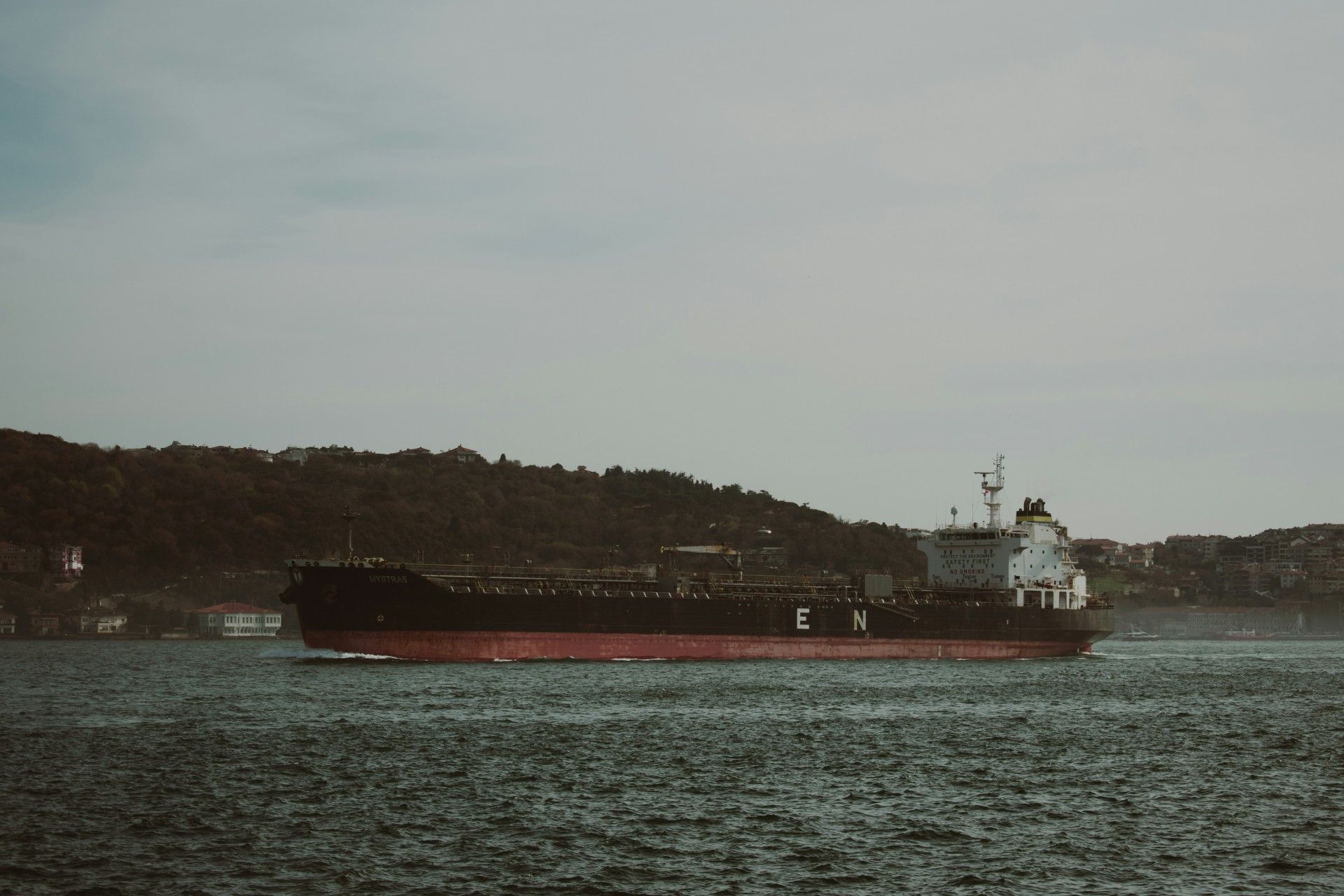
This ban comes as the latest potential measure to counter Russia’s shadow fleet, which is estimated to include around 1,000 vessels and transport more than 70% of Russian oil exports. The package added another 46 vessels to the EU sanctions list, bringing the total to 632 sanctioned ships, yet also showing that many still operate beyond effective EU control. The Union also decided that, from January 2027, EU-based LNG terminals will be prohibited from providing Russian companies with any LNG-related services, complementing the earlier agreed ban on Russian pipeline gas and LNG imports starting next year.
Closing the crypto loophole
Another area addressed by the package is Russia’s increasing reliance on cryptocurrencies for international transactions, which helps the Kremlin circumvent sanctions. Crypto-facilitated international trade reportedly accounted for roughly $11 billion in Russia last year, while from 1 July 2026 crypto payments in foreign trade will be officially legalised in the country. To close this channel, the new package introduces a full ban on Russian-based providers and platforms enabling the transfer and exchange of crypto assets. This was accompanied by a ban on transactions involving the rouble-backed stablecoin RUBx and the digital rouble.
Targeting third-country enablers
The 20th round marked the first time that the EU activated its anti-circumvention tool, introduced in the 11th package of June 2023 to restrict exports to third countries suspected of facilitating sanctions evasion. Designed as an exceptional measure of last resort when a third country fails to prevent circumvention, it was applied to EU exports of computer numerical control machines and radio equipment to Kyrgyzstan, due to the high risk that these products could be re-exported to Russia.

Still paying for Russian resources
The EU also moved to target Russia’s ammonia export revenues by introducing an import quota of 688,000 tonnes. The measure seeks to reduce Moscow’s income from a sector in which EU countries remain major buyers, especially Belgium, France, and Lithuania, which together paid Russia more than $250 million in 2024 alone. The package also banned further imports of metals, chemicals, and minerals not previously covered by sanctions, worth over €530 million.
These moves matter because, despite the unprecedented effort to reduce EU imports from Russia after 2022, which led to a 90% drop, the continent still indirectly sponsors the Kremlin’s war machine. Apart from natural gas, the most valuable imported goods include nickel, fertilisers, iron, and steel, which still accounted for €1.26 billion in the last quarter of 2025.
Tightening the military supply chain in Russia and beyond
The 20th package further tightened pressure on Russia’s military-industrial complex by sanctioning 58 entities involved in military production and 16 additional foreign-based suppliers of dual-use and high-tech goods, with a particular focus on actors linked to the drone value chain. For the first time under the Belarus sanctions regime, the EU also targeted a Chinese state-owned entity over its role in the production of Belarusian military goods.
See also 

What comes next: gap-filling, the shadow fleet and externalisation
The package also points to the likely priorities of future sanctions rounds, which will probably further target cryptocurrencies, the shadow fleet, dual-use technologies, and additional goods bans and restrictions. The biggest near-term challenge may be moving forward with the maritime services ban if a G7 agreement is not reached. Meanwhile, the first use of the anti-circumvention tool and the continued designation of foreign-based suppliers highlight the growing externalisation and expansion of the sanctions regime beyond Russia itself, as third countries are increasingly treated in Brussels as enablers of the Russian war effort.


