












- KOMENTARZ
- WIADOMOŚCI
- WAŻNE
EU designated Iran’s IRGC as a terrorist organization

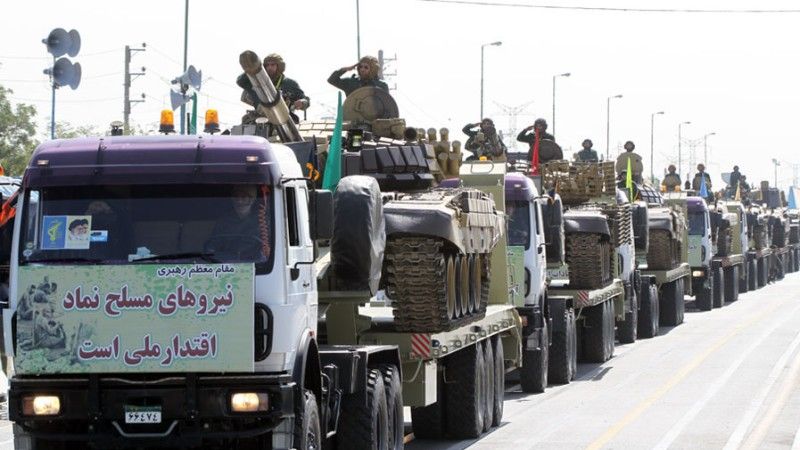
The European Union has formally listed Iran’s Islamic Revolutionary Guard Corps (IRGC) as a terrorist organization, a decision that deepens diplomatic tensions with Tehran and unfolds against the backdrop of escalating U.S. threats to launch a military attack on Iran. EU leaders stress that while they condemn the IRGC’s actions, they firmly oppose the prospect of a new Middle East war.
In a major policy shift, the EU’s foreign ministers agreed to place the IRGC on the bloc’s terrorist list, citing its central role in Tehran’s violent crackdown on mass protests and broader destabilizing activities across the region. EU foreign policy chief Kaja Kallas stated that „if you act as a terrorist, you should also be treated as a terrorist,” underscoring the EU’s determination to respond to what rights groups estimate as thousands of protester deaths. This decision followed a change among previously reluctant member states such as France and Italy, who warned that designating the IRGC as a terrorist organization would strip Europe of its remaining diplomatic leverage with Tehran, expose European nationals to possible retaliation, and further complicate ongoing nuclear negotiations.
At the same time, the EU has sought to draw a clear line between sanctioning Iran’s repressive elite forces and supporting any military escalation. Kallas emphasized that the region „does not need a new war” and explicitly urged Washington not to bomb Iran – a reference to U.S. President Donald Trump’s remarks that a „massive armada” was heading toward the country and that a new American strike could be „far worse” than previous attacks on Iranian nuclear and military sites. Iranian Foreign Minister Abbas Araghchi denounced the EU decision as a „PR stunt,” accusing Europe of „fanning the flames,” while also warning that an all‑out war would severely damage Europe economically, particularly through surging energy prices.
The EU’s position reflects a balancing act: lawmakers aim to increase pressure on Tehran over human rights violations while maintaining diplomatic channels to avoid further destabilization. Even as Brussels expands sanctions against Iranian officials, Kallas and several EU governments insist that isolating Iran militarily is neither desirable nor strategically sound. With U.S. officials reportedly considering strikes on Iran’s leadership, nuclear facilities, and military infrastructure, Europe fears that such actions could ignite a regional conflict – one with far‑reaching humanitarian, economic, and geopolitical consequences for the entire continent.
Justyna Smoleń & Amelia Wojciechowska


