- KOMENTARZ
- WAŻNE
- WIADOMOŚCI
EU reached a breakthrough on a €90 billion loan for Ukraine

Photo. @kirstylee152/X.com
On Wednesday, 4 February, European Union member states reached an agreement to provide Ukraine with a €90 billion support package for 2026-2027. This is one of the most significant political and financial decisions taken by the EU since the beginning of Russia’s full-scale invasion.
The move is intended to secure the continued functioning of the Ukrainian state and strengthen its defence capabilities amid a prolonged conflict with the Russian Federation.
A new phase of support – scope and structure of the loan
The agreed plan provides Ukraine with €90 billion in loans, of which approximately €60 billion is earmarked for military support, while €30 billion will be allocated to budgetary stabilization and the implementation of reforms. The first disbursements are scheduled for the beginning of the second quarter of 2026, a critical moment when Kyiv’s financial reserves may be under severe strain. The EU will raise funds through capital market borrowing, backed by guarantees within the EU budget. This financing model, previously endorsed by European leaders, replaces earlier proposals to use frozen Russian assets, which failed to gain unanimous support among member states.
Arms procurement conditions – „Buy European”, with exceptions
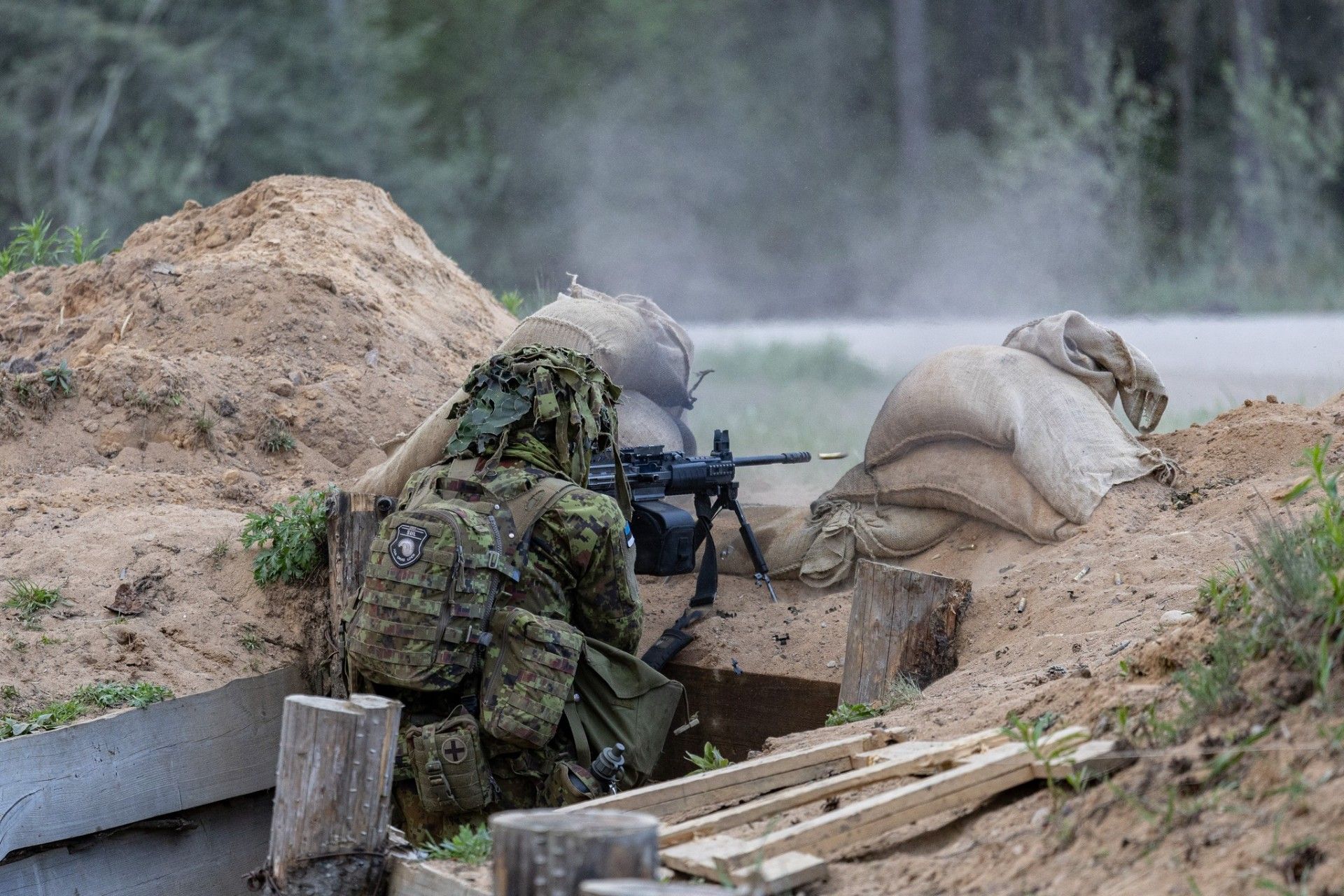
One of the most important and controversial elements of the agreement concerns the procurement of military equipment using EU funds. Under the deal, Ukraine is expected to prioritize purchases from manufacturers based in the EU and, more broadly, from countries within the European Economic Area or associated with the Union. The aim is to strengthen the European defence industry and reduce dependence on suppliers from third countries. In practice, however, special exemptions have been introduced, allowing Ukraine to procure weapons outside the EU if suitable equipment is not available within Europe or if there is an urgent operational requirement. To qualify, non-EU suppliers must meet specific conditions, including contributing to the loan costs or providing substantial military assistance to Ukraine.

Internal EU politics - divisions and legislative procedures
The agreement among EU governments is not the final step. A crucial role will now be played by the European Parliament, which must approve the loan mechanism and the associated budgetary adjustments before funds can be disbursed. Many Members of the European Parliament have already accepted the use of the so-called enhanced cooperation procedure, enabling the initiative to move forward despite the reluctance of some member states. Notably, several EU countries including the Czech Republic, Slovakia and Hungary are not participating in the loan mechanism, opting out of this phase of financing. While their stance did not block the initiative, it reduced the number of states providing guarantees for the EU’s borrowing. Debate within the EU also centered on whether Ukraine should be allowed to purchase military equipment from third countries, particularly the United Kingdom and the United States. The final compromise introduces flexibility in procurement rules, which may prove critical if European supply chains are unable to meet Ukraine’s urgent operational needs.
Strategic significance – security, industry and foreign policy
The €90 billion loan is not merely another tranche of assistance; it carries strategic and political significance. By undertaking such a substantial financial commitment, the EU confirms its long-term engagement in defending Ukraine’s sovereignty and, by extension, its own security in the face of continued Russian aggression. The package may also have a profound impact on the European defence industry by generating sustained demand, boosting production capacity, and accelerating technological modernization. The era of ad hoc military financing is coming to an end, as the EU moves toward a more systematic, structured model of support.
The agreement on €90 billion for Ukraine represents one of the most important financial and political undertakings by the EU in recent years, underscoring the durability of the Union’s partnership with Kyiv. Despite internal disagreements and differing national approaches to arms procurement, the compromise demonstrates the EU’s ability to conduct complex foreign and security policy in critical moments. Implementation will still require further legislative work and institutional coordination, but the initiative already forms part of a broader effort to support Ukraine in defending its sovereignty and stabilizing the state amid ongoing war.