












- WIADOMOŚCI
- ANALIZA
France blocks Israel at Eurosatory

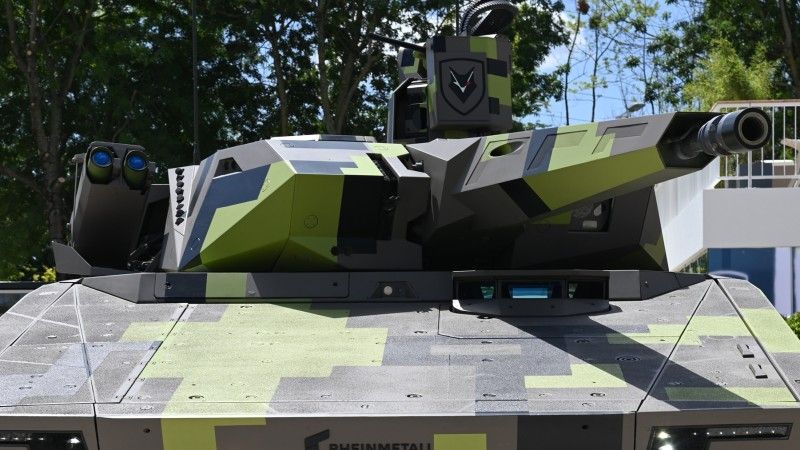
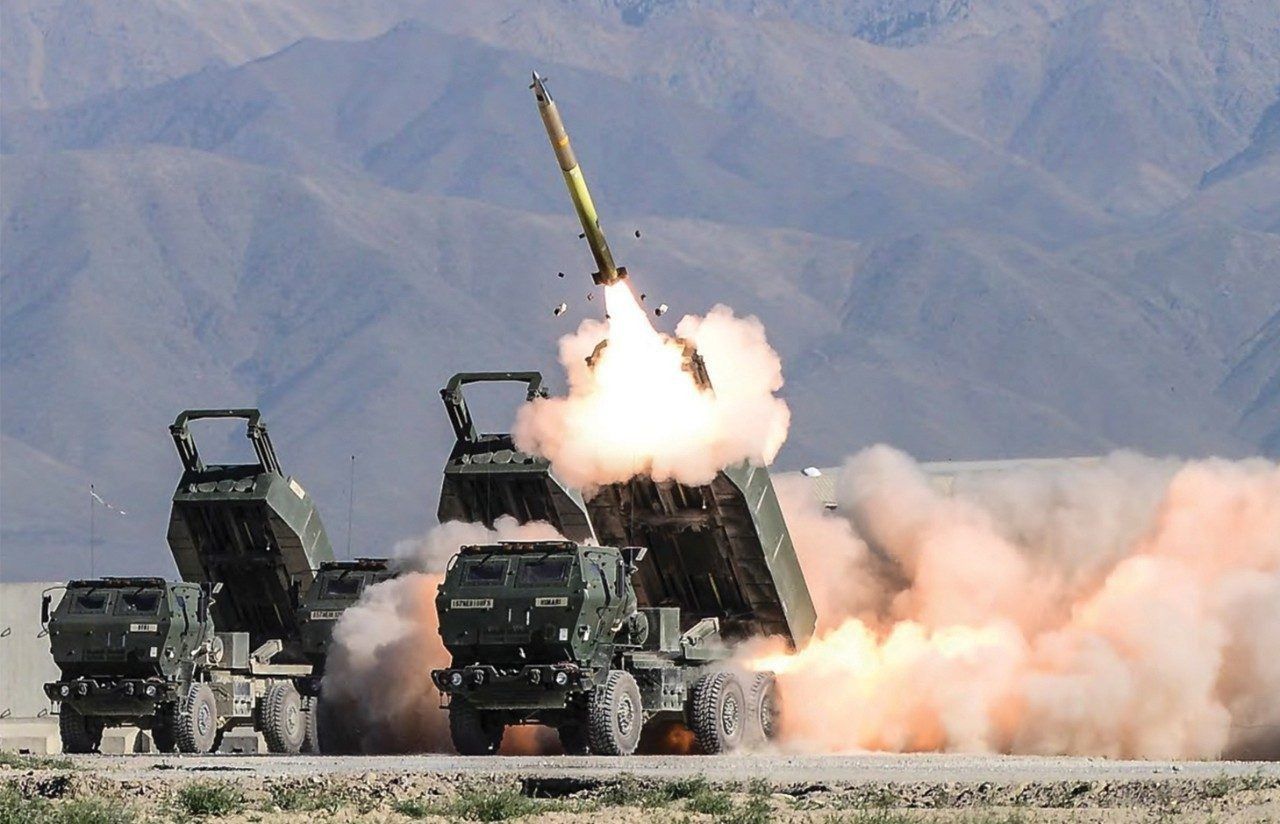
France has again limited the presence of Israeli defence companies at one of its major arms exhibitions. This time the decision concerns Eurosatory, the largest land and air-land defence exhibition in the world, held near Paris. Israeli companies will be allowed to present only anti-ballistic and air-defence systems, while offensive weapons such as rockets, loitering munitions and surface-to-surface missiles are excluded.
According toLe Monde, 29 Israeli companies had rented space at Eurosatory, but the French government decided that Israel would not have an official national pavilion and that Israeli firms could not display offensive systems. This is not a small symbolic gesture. Eurosatory is one of the most important defence industry events globally, with thousands of exhibitors and political, military and industrial delegations from across the world. If a state is limited there, it is being limited in one of the most visible marketplaces of modern war.
Israel reacted sharply. The Israeli Ministry of Defence called the French decision „disgraceful” and argued that it was selective, discriminatory and motivated by political and commercial calculation. In its statement, Israel also suggested that France is trying to exclude systems which have proved more effective than French equivalents. This is the key point: the dispute is political, but it is also industrial. France and Israel are competitors in several areas of the defence market, especially air defence, drones, missiles, loitering munitions and battlefield technologies tested in real combat.
See also 
This is not the first such confrontation. France already limited Israeli participation at Le Bourget in 2025, when the situation in Gaza was described by Paris as morally unacceptable. At Eurosatory in 2024, the French approach was even stricter, with an initial total ban on Israeli defence companies later challenged and weakened through legal procedures. The pattern is therefore clear: every major defence exhibition in France becomes another stage in the deterioration of French-Israeli relations.
The wider political context matters. France has become one of the most active supporters of the Palestinian cause among major Western states, not only in Europe but globally. Paris wants to present itself as a defender of international law, civilian protection and a future Palestinian political framework. At the same time, this position brings it into direct confrontation with Israel, especially when Israeli military operations in Gaza or Lebanon dominate the international agenda. The latest French decision was linked to Israeli actions in Lebanon, including the seizure of the Beaufort fortress, which prompted France to request an urgent UN Security Council meeting.

There is also a deeper contradiction. France wants to lead European defence, promote its own defence industry and speak the language of sovereignty, but it is also using political criteria to decide who may present which systems at major arms fairs. Israel sees this as hypocrisy and commercial protectionism. France sees it as a necessary political signal. Both sides are partly right from their own perspective, and that is why this dispute will not disappear.
The case of Eurosatory shows that defence exhibitions are no longer neutral industrial spaces. They are becoming political battlefields. France is using access to its market and events as a tool of pressure. Israel is responding by accusing Paris of discrimination and industrial rivalry. Behind the formal dispute over exhibition rules lies a much larger question: who defines legitimacy in the arms market during ongoing wars, and whether political morality is now becoming another instrument of defence competition.


