












- WIADOMOŚCI
Moldova. EU – yes; CIS – no; Unirea – not this time

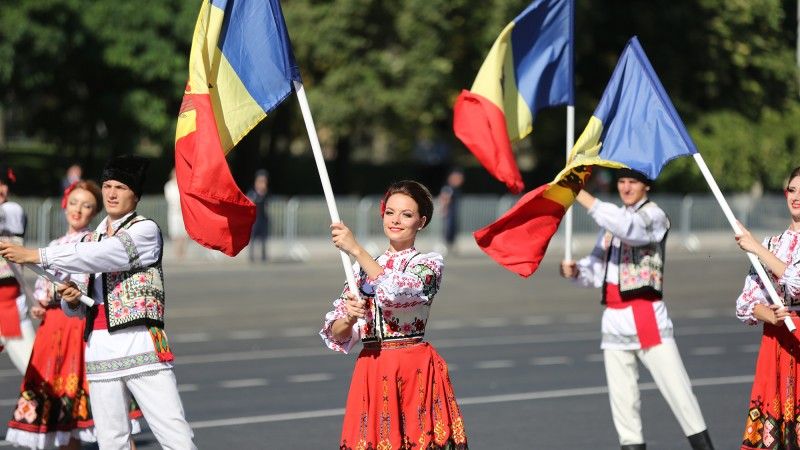
Moldova has taken decisive steps to bring its cooperation within the Commonwealth of Independent States (CIS) to a definitive close – an organization widely regarded as one of the lingering instruments of Russian influence across the former Soviet space.
At the same time, Chişinău is deepening its integration with the European Union. In recent weeks, talk of reunification with Romania has resurfaced as well – though such a development is neither imminent nor likely in the foreseeable future.
Since at least 2020, the Republic of Moldova has been steadily charting a pro-Western and pro-European course. Following Maia Sandu’s victory in that year’s presidential election, integration with Western institutions accelerated markedly. Public sentiment has evolved in parallel. Support for the pro-Western option now consistently exceeds 50 percent, particularly among younger citizens and the Romanian-speaking population. Russian appeals steeped in nostalgia for the Soviet Union have little resonance with these groups.
Indeed, what persuasive arguments can Moscow still offer? Moldovan citizens need only look northward to see Russia waging war in Ukraine – destroying cities, prolonging conflict, and taking lives. For many observers, this appears to be the Kremlin’s only tangible „program.” It is difficult to imagine for whom such a vision might hold appeal. Even the most pro-Russian segments of Moldovan society are likely to harbor serious second thoughts.

In this context, withdrawing from various frameworks of cooperation with Russia becomes a logical step. The CIS was among the most prominent of these platforms. Moldova has shown minimal engagement within the organization for several years, so its gradual departure comes as little surprise – even in Moscow. Though the move has been criticized there, it could not be prevented. That said, Russia is unlikely to relinquish its interest in Moldova. The Kremlin will continue to deploy propaganda and rely on politicians aligned with its interests.
Meanwhile, the debate overUnirea – the reunification of Moldova and Romania – has once again entered public discourse. Yet the political climate is far from conducive to such a project, and is unlikely to become so anytime soon. Over the years, several politicians have attempted to replicate the historical precedent of Alexandru Ioan Cuza by seeking leadership roles in both Bucharest and Chişinău in pursuit of a „personal union.” Leonida Lari made the attempt; so did Mircea Druc. Perhaps one day Maia Sandu might consider it. For now, however, the question of reunification remains firmly in the realm of speculation rather than political reality.


