












- WIADOMOŚCI
- KOMENTARZ
NATO summit tests support for Ukraine and defence production

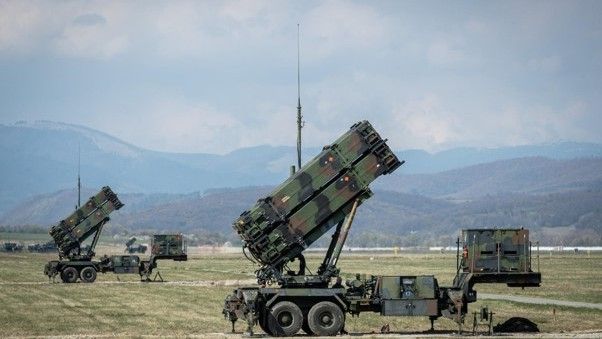
Photo. Defensie.nl
The NATO summit in Ankara will test two questions at the same time. First, whether allied support for Ukraine can survive doubts about the durability of the United States’ commitment. Second, whether higher defence spending can finally be turned into weapons, ammunition, air defence and industrial capacity fast enough to match the scale of the Russian threat.
European concerns about Washington’s future role will sit behind almost every discussion on Ukraine. Mark Rutte has argued that helping Kyiv defend itself is not separate from NATO’s own security, because Russia’s war is already shaping the security environment of the entire Alliance. At the same time, he knows that some American capabilities remain indispensable. Patriot air defence systems are the clearest example. Europe can promise more, but Ukraine still depends on assets that only the United States can provide quickly and at scale.
Volodymyr Zelenskyy is expected to take part in summit events, including a joint appearance with Rutte and a meeting of the NATO-Ukraine Council. His presence will be more than symbolic. Kyiv wants air defence, ammunition, political guarantees and a signal that Ukraine will not be pushed down the agenda because allies are distracted by the Middle East, the Indo-Pacific or domestic politics. After his phone call with Donald Trump, Zelenskyy said they discussed battlefield developments, air defence and diplomatic efforts to end the war. Ankara may show whether that conversation leads to practical decisions or remains another diplomatic exchange.
The second test is industrial. NATO countries are spending more, but spending targets do not stop missiles, drones or artillery shells. Russia’s war has exposed shortages of ammunition, air defence systems and other critical equipment across the Alliance. It has also shown that production lines, procurement procedures and stockpiles matter as much as political declarations. Rutte has pointed to fragmented European defence industries, slow bureaucracies and production timelines that still lag behind battlefield demand.

That is why the NATO Summit Defence Industry Forum on 7 July matters. It will bring together NATO officials, defence ministers, military commanders and defence companies to discuss production, investment, innovation and multinational procurement. The point is not to produce another conference photo. The question is whether governments and industry can move from announcements to contracts, from contracts to production, and from production to deliveries that strengthen Ukraine and replenish allied stockpiles.
Türkiye will use the summit to present itself as more than a host country. Ankara wants to showcase its expanding defence industry and push for deeper integration into European and NATO defence initiatives. The high-level reception at Turkish Aerospace Industries facilities in Kahramankazan, with Turkish defence products and indigenous air platforms on display, is part of that message. Türkiye wants allies to see it not only as a difficult political partner, but as a defence-industrial actor with real capabilities in drones, aerospace, missiles and military production.
See also 

The summit will therefore not be judged only by language on Ukraine. It will be judged by whether NATO can connect Ukraine’s urgent needs with a broader industrial mobilisation. If allies recognise that Kyiv’s defence is inseparable from their own security, they must also accept the practical consequence: air defence, ammunition and weapons production have to become permanent priorities, not emergency responses. Ankara will show whether NATO is ready to organise defence at the speed of war rather than the speed of bureaucracy.


