












- ANALIZA
- WIADOMOŚCI
- KOMENTARZ
Natural partnership: Poland and the Nordic countries

Poland and the Nordic countries share more than geography around the Baltic Sea. Similar perceptions of security, complementary economic structures and comparable social challenges create a foundation for deeper cooperation – from public policy and innovation to finance, security and culture.
The Nordic region – Denmark, Finland, Iceland, Norway and Sweden – represents one of the most advanced institutional and economic models in the world. These states have already tested many public policies from design to implementation and correction. For Poland, this provides a valuable opportunity: rather than repeating costly mistakes, Warsaw can analyse ready-made cause-and-effect chains and adapt solutions that have already been tested in practice.
At the same time, Poland brings its own strengths to the partnership. A large and growing internal market, expanding middle class, significant manufacturing capacity and well-developed logistics infrastructure make the country an attractive partner. The combination of Nordic innovation and institutional stability with Polish scale and production potential creates a solid basis for long-term cooperation.
For years, Polish public debate emphasised the country’s difficult geopolitical position. In reality, Poland sits between two highly developed economic regions: Germany, its largest trading partner, and the Nordic countries, known for stability, innovation and coherent public policy. This position creates opportunities rather than constraints.
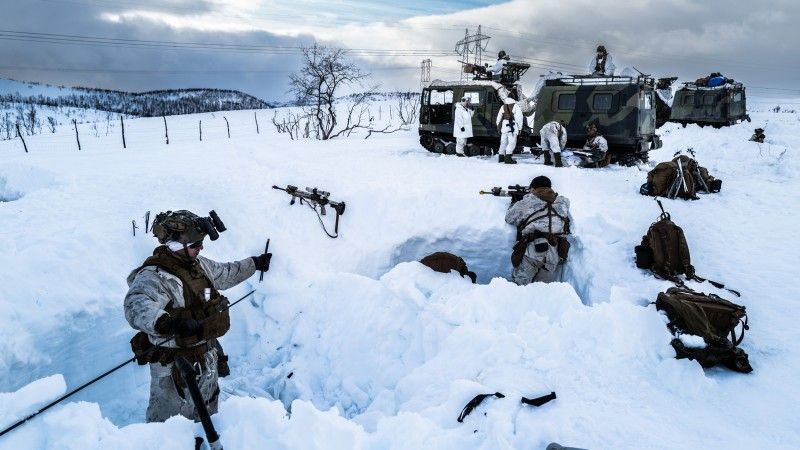
Another important factor is the similar perception of security threats, particularly regarding Russia. Poland and the Nordic states historically approach the issue in a comparable way, which facilitates cooperation in defence and security policy.

Shared challenges and common perspectives
Cooperation between Poland and the Nordic countries in domestic policy offers considerable potential. Countries around the Baltic Sea face similar structural challenges, particularly in healthcare, social policy, education and public security.
Nordic healthcare systems – especially in Sweden – are among the most advanced in Europe. Institutions such as the Karolinska University Hospital illustrate how specialised care, research and efficient management can be combined. Nordic experience in maintaining high-quality healthcare while controlling systemic costs could be particularly useful for Poland.
Demographic change represents another shared challenge. Ageing populations require reforms in pension systems and labour market participation. Nordic countries have developed flexible retirement models and policies encouraging longer professional activity, often integrated with healthcare and social support systems. Comparative cooperation in this field could help adapt these approaches to Polish conditions.
Education and higher education are also key areas. Nordic universities consistently rank among the world’s best thanks to strong links between research and industry, internationalisation and modern teaching methods. Expanding academic partnerships and joint research programmes could benefit both sides.

Always about migration
Migration policy remains one of the most sensitive policy areas in the Baltic region. Nordic countries long treated immigration as a component of long-term development strategies within welfare state systems. Over time, however, challenges related to integration, social tensions and internal security emerged.
In response, Nordic governments gradually adjusted their policies, introducing stricter residency conditions and stronger links between integration and labour market participation.
Poland’s experience has been different. For decades it was primarily a country of emigration. Migration after 2010 was largely market-driven, and the large influx of Ukrainian citizens after 2022 was facilitated by cultural proximity and high labour market participation.
These differences illustrate that migration policy is highly context-dependent. Nordic countries may find value in Poland’s experience of linking migration more closely with labour market participation, while Poland can learn from Nordic approaches to long-term integration and the challenges related to second-generation migrants.
Cybersecurity
Cybersecurity is becoming a central pillar of national resilience. Nordic countries are global leaders in digitalisation and advanced telecommunications technologies. Companies such as Ericsson play a key role in global communications infrastructure and critical technology.
Cyber defence in the Nordic region goes beyond traditional national security. Protecting commercial technologies and intellectual property is essential for maintaining economic competitiveness and sustaining welfare state models.
Poland is rapidly expanding its own capabilities, particularly through the development of the Cyber Defence Forces Component, strengthening national capacity to protect strategic digital infrastructure.
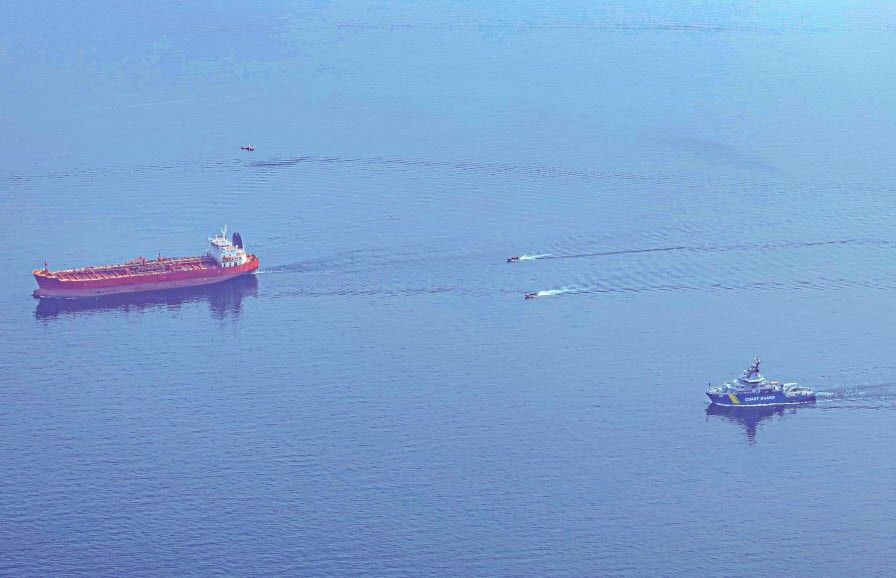
Closer cooperation in cybersecurity – including protection of critical infrastructure, countering cybercrime and responding to hybrid threats – could significantly strengthen resilience across the Baltic region.
Diplomacy and not only...
Nordic countries have developed a highly effective model of international soft power. Their promotion of high standards in education, environmental policy, social welfare and human rights enhances their global reputation and influence within European institutions.
Poland can complement this model. With traditionally strong relations with the United States and an ability to maintain dialogue with partners in Asia, Poland can serve as a diplomatic bridge between Nordic initiatives and wider global networks.
Such cooperation could combine Nordic expertise in shaping EU policy debates with Poland’s geopolitical reach and diplomatic channels.
Finance, innovation and technology
The Nordic financial sector is characterised by strong institutions, advanced regulation and innovation. Nordic economies also lead in implementing mechanisms against money laundering and terrorist financing.
Poland offers a dynamic and growing financial ecosystem. The country’s fintech sector is expanding rapidly, supported by flexible regulatory frameworks and a vibrant start-up environment.
Joint initiatives could include cooperation between financial markets, development of green and social bonds, and technological standards for digital payments and financial infrastructure. Combined venture capital initiatives and innovation funds could also strengthen fintech development across the region.
Nordic countries are global leaders in innovation, consistently ranking highly in international innovation indices. Strong links between academia and industry, as well as effective start-up ecosystems, underpin this success.
For Poland, which is still working to overcome the so-called middle-income trap, cooperation with Nordic partners offers a pathway to accelerate technological transformation and commercialisation of research.
Complementarity
Nordic economies are highly productive and innovative but limited by relatively small domestic markets. The combined population of the Nordic countries is around 28 million people.
Poland, with 38 million citizens, offers scale. It brings a large consumer market, extensive manufacturing capacity and the ability to rapidly scale industrial production. This makes Poland a natural complement to Nordic economic models.
Poland already functions as one of the European Union’s major industrial hubs. From food processing and furniture production to electronics and advanced manufacturing, Polish industry provides the scale needed for efficient production and distribution.
Nearshoring trends in Europe further strengthen this relationship. Geopolitical tensions, supply chain disruptions and ESG regulations increasingly encourage companies to move production closer to European markets. Poland offers geographic proximity, EU regulatory alignment, developed logistics infrastructure and political stability.
Nordic companies have already recognised these advantages. Firms such as IKEA, as well as energy companies like Ørsted and Equinor, are heavily involved in Polish supply chains and Baltic infrastructure projects.

Culture is crucial
Culture is another important – though often underestimated – dimension of international cooperation. Nordic countries have effectively used cultural industries as instruments of soft power.
Sweden, despite its relatively small population, has become a global music powerhouse thanks to companies such as Spotify and a strong ecosystem of producers and artists. Finland and Norway have similarly built international cultural influence through music, film and digital media.
Poland also possesses significant cultural potential. Institutions such as the Łódź Film School and globally successful gaming companies like CD Projekt demonstrate the country’s creative capacity. Cooperation with Nordic studios and streaming platforms could expand opportunities in film, gaming and digital media production.
Such partnerships strengthen not only cultural exchange but also technological and creative industries.
Tourism and connection
Tourism represents one of the most tangible areas of cooperation between Poland and the Nordic region. Mutual travel supports both economic exchange and interpersonal relations.
Nordic tourists increasingly visit Polish cities, cultural landmarks and natural attractions. At the same time, destinations such as Stockholm, Copenhagen, Oslo, Helsinki and the Norwegian fjords are becoming increasingly popular among Polish travellers.
Improved connectivity – including low-cost airlines, ferry routes and rail connections across the Baltic – has made travel faster and more accessible. Shared historical heritage and cultural links also reinforce a sense of regional connection.
Tourism, cultural exchange and academic mobility together strengthen trust and familiarity between societies, which in turn facilitates broader cooperation in business, science and diplomacy.

Let's develop!
The partnership between Poland and the Nordic countries is not simply a diplomatic option but a logical direction of regional development. Geographic proximity, economic complementarity and shared security perspectives create strong foundations for deeper cooperation.
By combining Nordic innovation, governance experience and technological leadership with Poland’s scale, industrial capacity and growing market, both sides can build a resilient and competitive partnership within Europe and beyond.


