












- WIADOMOŚCI
- KOMENTARZ
One base Out, dozens remaining. Why Turkey’s Bashiqa pullout is no victory for Baghdad?

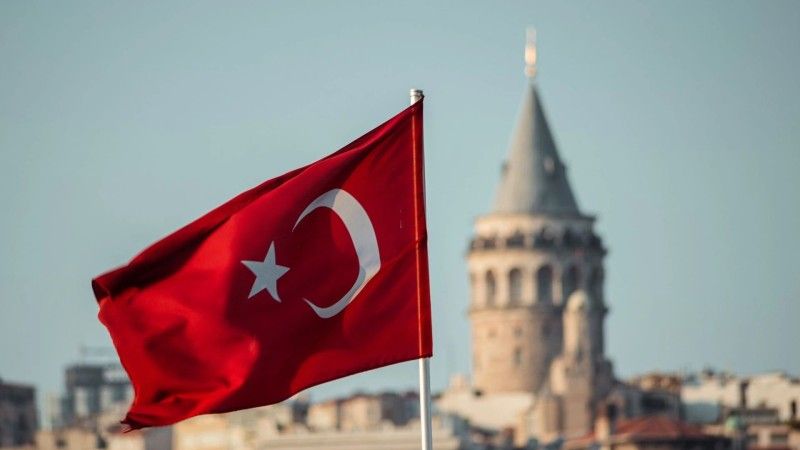
Photo. Unsplash
Turkey’s decision to vacate the Bashiqa-Zilkan base in northern Iraq by the end of the year is being framed in diplomatic circles as a long-overdue victory for Iraqi sovereignty. After eleven years of friction, Ankara is finally handing the facility over to Baghdad. Yet treating this move as a Turkish concession misses the underlying calculus. Recep Tayyip Erdoğan is not scaling back his influence in Iraq. He is shedding a diminishing asset while shifting the security burden onto a weaker neighbor.
The withdrawal follows a September agreement between Erdoğan and Iraqi Prime Minister Ali al-Zaidi, anchored by a Joint Security Coordination Committee tasked with verifying the permanent removal of the Kurdistan Workers’ Party (PKK). The timing is no coincidence. Following its disarmament announcement last year, the PKK evacuated four major camps in northern Iraq last month. With the core rationale behind Turkey’s 2015 deployment effectively gone, maintaining a garrison 50 miles south of the border ceased to offer operational value and remained solely a source of bilateral tension.
#URGENT Türkiye says it will begin steps to gradually hand over Bashiqa-Zilkan base to Iraq's federal government under leaders-level agreement
— Anadolu English (@anadoluagency) November 8, 2026
The broader regional environment also favors a reset. Two months after the formal completion of the U.S. troop withdrawal from Iraq and amid Damascus’s growing pushback against foreign military posts in Syria, long-term cross-border deployments have become harder to sustain politically. Rather than resisting a regional shift toward state-led security, Ankara is adapting to it on its own terms.
Crucially, leaving Bashiqa does not dismantle Turkey’s footprint in northern Iraq. Ankara retains an extensive network of forward operating bases and intelligence nodes across the borderlands, preserving its capacity for surveillance and rapid intervention. Surrendering one high-profile outpost merely removes an irritant from relations with Baghdad without compromising Turkish reach.
The political risk now rests squarely on Iraq. Reclaiming a base is straightforward. Preventing local militias and armed factions from exploiting a security vacuum is far harder. For Erdoğan, the arrangement carries minimal downside. If al-Zaidi’s government stabilizes the border, Turkey secures a reliable partner for its regional trade and transit ambitions. If Baghdad fails to hold the ground, Ankara gains an indisputable pretext to intervene again – this time with diplomatic cover intact.


