- WIADOMOŚCI
- WAŻNE
Poland yesterday, Finland and Estonia today. More aircraft will enter NATO airspace

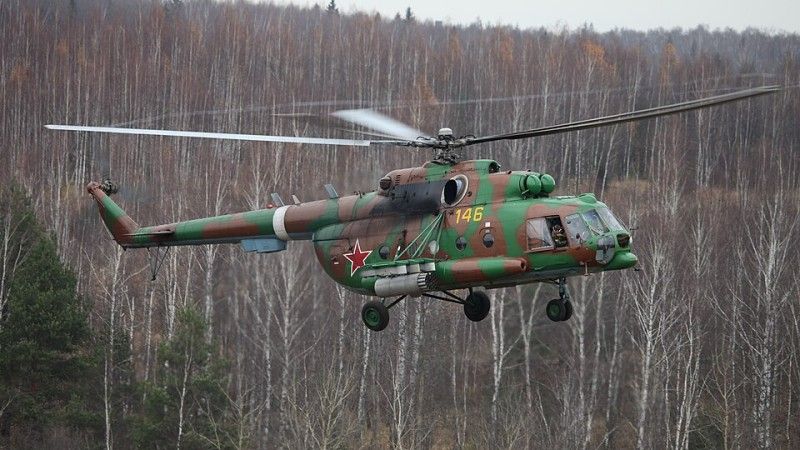
Photo. Vitaly V. Kuzmin / Wikimedia Commons / CC BY-SA 4.0
Just one day after Russian missiles and a drone crashed in Poland, other NATO countries were forced to respond to threats to their airspace. A Russian helicopter is suspected of violating Finnish airspace, Turkish fighters were scrambled in Estonia, and a Russian vessel was attacked in the Gulf of Finland. There will be more such incidents. NATO must prepare for them.
On 21 November, at 12:34 pm, a Russian helicopter allegedly violated Finnish airspace off the coast of Loviisa, penetrating 4.1 km into Finnish territory. According to Finnish Defence Minister Antti Häkkänen, the incident may have been linked to rescue or monitoring operations involving a damaged Russian vessel in the Gulf of Finland. The Finnish Border Guard is investigating the incident.
Earlier, the Russian cargo ship Sparta II, en route to Kaliningrad, was attacked in international waters. The vessel, subject to US sanctions since 2022 and previously used to transport military equipment, caught fire and subsequently entered Finnish territorial waters.
Meanwhile, a drone alert was issued in north-eastern Estonia. Turkish fighters operating under NATO were scrambled, while Finland imposed temporary restrictions on maritime and air traffic. All this occurred amid further Ukrainian drone attacks against Russia.
Why did Turkey shoot down a Russian aircraft?
Following repeated violations of NATO airspace, the question of shooting down Russian aircraft has resurfaced. As I pointed out in September 2025, today’s incidents cannot be directly compared with Turkey’s downing of a Russian Su-24 on 24 November 2015.
At the time, the Russian aircraft was conducting combat missions in Syria, close to the Turkish border. Ankara had previously established clear red lines, repeatedly warned the Russians and authorised its pilots to open fire if those warnings were ignored.
Today, NATO countries operate under peacetime conditions, and each incident requires a separate threat assessment. Nevertheless, the failure to clearly communicate to Russia under what circumstances its aircraft or helicopters could be shot down may be interpreted by the Kremlin as permission to continue its provocations.
There will be more airspace violations
As I pointed out following yesterday’s incidents in Poland, the closer we get to a ceasefire in Ukraine, the more Russian provocations against NATO countries we should expect.
At the same time, Ukraine is intensifying its attacks on Russian territory, including against targets increasingly close to NATO’s borders. We must therefore also prepare for further incidents involving Ukrainian drones.
Strengthening air defence capabilities and ensuring direct allied military involvement remain essential. Yesterday, Swedish and Dutch aircraft operated over Poland. Today, Turkish fighters were scrambled in Estonia. This demonstrates the importance of an active Allied military presence on NATO’s eastern flank. Now, the Alliance must respond more decisively.