- WIADOMOŚCI
- ANALIZA
- KOMENTARZ
Drone warfare: The unregulated face of conflict


Drone warfare has become an increasingly prevalent tactic in conflicts in recent times. From Ukraine to Sudan to Iran, however, what is left out is the need for adequate regulation and how different countries are likely to approach this, as well as what this tactic means for allies and wartime support for all involved.
Drones are preferred for various reasons, including their ability to be controlled remotely and travel far with minimal direct oversight. Yet, their capacity to cause extensive damage is one of their main advantages, as much as it is a challenge. They are also small, which eliminates the challenge associated with the transportation of bulky military gear, as is the case with landmines, among others.
They can be used to carry out short-range attacks, provide tactical support, conduct surveillance, perform patrols, and gather strategic intelligence, among other things.

Their ability to operate with limited human interaction makes them more appealing. Yet, their capacity and capabilities are still being explored and are evolving with new technologies, which leaves a knowledge gap. Such gaps also create limits on regulation requirements, as questions on how far their reach is remain unanswered, leaving the world unprepared for the consequences. Too much regulation can lead to illicit use, the evasion of proper procedures, or the limitation of their functionality.
The ability to detect drone attacks for effective countermeasures remains a challenge as well because drone interceptors are not as accessible as the drones themselves.
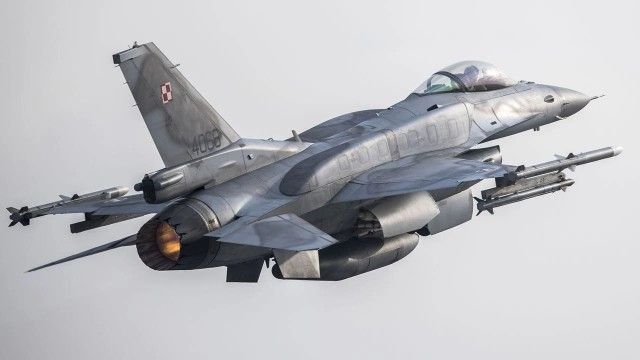
Advanced warfare technologies like fighter jets have often been limited to advanced countries for active conflict involvement due to their cost. Rarely do African countries utilise them despite owning several, which are often showcased at ceremonial functions.
But what happens when they are poorly regulated and controlled? Will drones become like landmines, where their consequences are diverse and far-reaching, yet with minimal control over how far they can go or how much damage they can cause?
Furthermore, drones present an advantage in warfare due to their accessibility in comparison to other warfare equipment like fighter jets, which makes them more appealing.
The use of drones can be compared to that of landmines, though the latter are more accessible and require more human capacity to be used. The similarity between the two weapons is that once they have been set in motion, they create the intended impact with minimal detection.
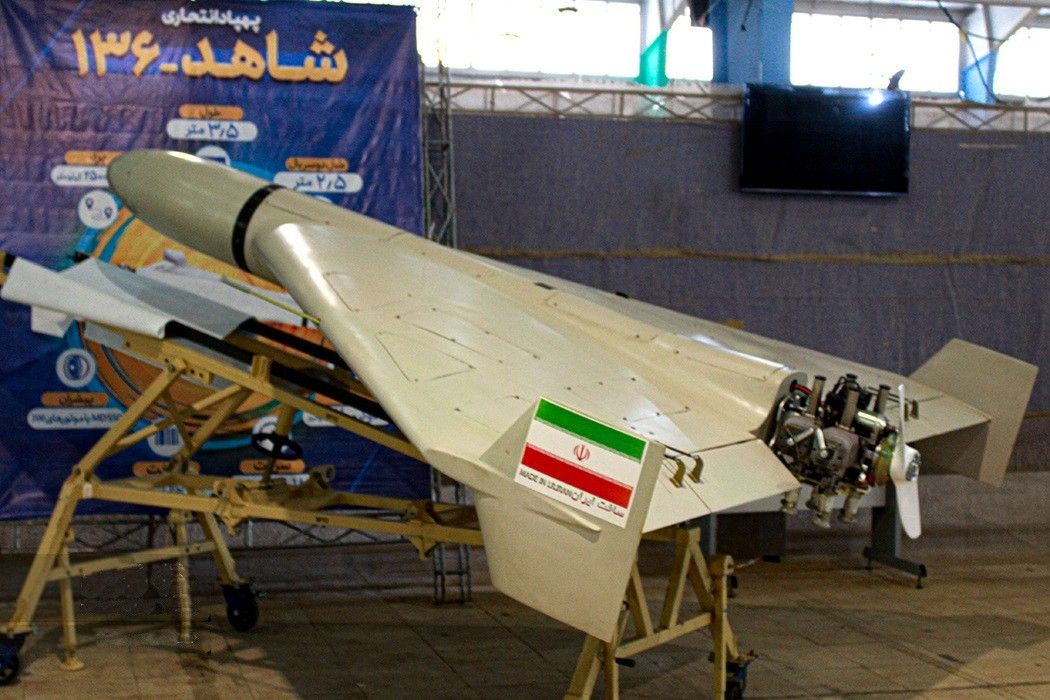
The difference between landmines and drones is the magnitude of their impact; however, the similarity is that in both cases, their impact is likely to be more far-reaching than that of guns.
In Sudan, drones have been used by the Rapid Support Forces to strike five power stations in Sudanese Armed Forces-controlled areas. Furthermore, drone strikes have previously been reported to have killed at least 306 people in three weeks, while in the latest attacks, drone strikes by the Sudanese Armed Forces killed 36 people and injured 150.
The examples in Sudan point to the abuse of international humanitarian law where these drones have been used to attack civilians. This dispels the notion that drone strikes have less humanitarian impact and are likely to create fewer casualties. As such, drone warfare, like other forms of warfare, leaves a large trail of destruction; however, more concerning is the lack of appropriate regulation of these drones.

Drone warfare is spreading fast with minimal regulation and devastating impact. This poses a challenge to the implementation of humanitarian law in conflict, as it is a new dimension; yet, the precision and speed at which it is being adopted and utilised mean that regulation will have to play catch-up as the drones leave devastation in their wake.
This is particularly devastating for African conflicts that struggle with technological advancements. Such warfare puts the continent at a disadvantage. As seen in Somalia, a steady supply of such equipment moves the enemy camp miles ahead while causing unimaginable devastation. This presents a challenge in regulation, which has to keep pace. The presence of drones as part of warfare on the continent is a reminder that some technological advancements may come from the enemy camp and, as such, governments need to work harder towards regulatory frameworks to address them.
Whereas it would be imperative for governments to focus on working towards regulation, the bigger question becomes: How do you regulate what you don’t have the capacity to make, or worse still, how do you regulate what you can’t counter?
The continent has often depended on more advanced countries for its military hardware and, in some cases, it has been able to manufacture its own. However, drones present a different challenge in terms of technological advancements, accessibility of tools, and operational know-how. The monopoly on advanced technology control by allies of the recognised African governments is slowly fading away, as seen in Somalia with Al-Shabaab. Such developments leave African governments playing catch-up.

The increased use of drones amongst other warfare advancements is a reminder that warfare on the continent is changing, and it requires aggressive counter-approaches.
What happens to a continent whose movement towards military advancements is based on external actors? How will it determine its allies in this advancement?
How will the continent regulate this technology? Most importantly, how will it address advanced warfare from its adversaries? Previously, Al-Shabaab, a terrorist group, wouldn’t be expected to have better warfare tactics than those of the recognised government, but this latest attack suggests otherwise. What happens when, with limited regulation, these governments gain access to and start using drones?
The advantages of drones have made them better options, but who does the quality control? What happens when they are imported for humanitarian support, like the delivery of medical supplies in hard-to-reach areas, and misappropriated for warfare instead?
Questions regarding adequate regulation, quality control, manufacture, and distribution remain unanswered as drone warfare is embraced. Will the continent continue to rely on external support to provide these drones and their interceptors? How reliable is this external support, given the recent turn of events in which the United States has reduced its backing for Middle East allies amid a shortage of military hardware?
These questions invite security experts and policymakers to examine the dangers of inadequately regulated drones and how to address them while remaining flexible to the growing technological advancements and aligning with the evolving security demands.
The advancement and use of drones are a reminder of the need for African governments to review and strengthen their security capabilities through improved training of their military officers. In addition to the improved uptake of technological advancements, including the adoption of more cost-effective equipment like drones instead of fighter jets—whose purchase, use, and maintenance are prohibitively expensive—governments must also move towards embracing these technologies to address growing threats beyond merely acquiring military hardware from advanced countries.
Security is an ever-changing process with new technologies and advancements; as such, African governments need to reevaluate how they approach their investments in this area, particularly when it comes to the purchase of weapons. Some weapons are purchased when obsolete and require rehabilitation, which presents a burden and a gap for the security sector.