- WIADOMOŚCI
- KOMENTARZ
Russian missiles hit Poland. NATO responds, but Moscow will not stop


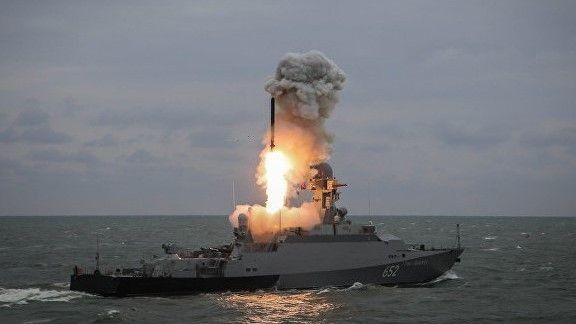
Two Russian missiles and a jet-powered drone crashed on Polish territory on 20 November. Polish F-16s and Swedish Gripens participated in the response, supported by a Dutch aerial refuelling aircraft. The allies reacted, but the incident once again exposed gaps in Poland’s air and missile defence capabilities. The closer we get to a ceasefire in Ukraine, the more Russian provocations against NATO countries we should expect.
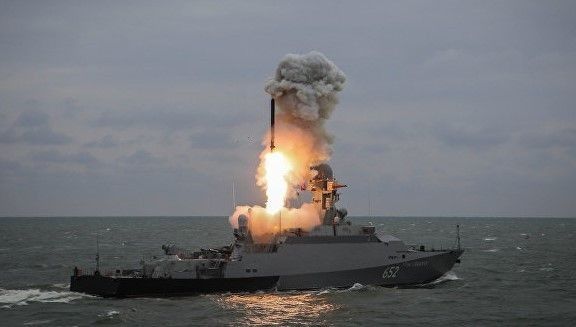
Russian objects came down in Nowy Lipowiec, Rudnik nad Sanem and Mołodycz. One has been identified as a Russian Kh-101 cruise missile. According to General Ireneusz Nowak, Russia used 26 Kalibr missiles, 72 Kh-101 missiles and 503 drones, including 202 jet-powered ones, in its attack on Ukraine. Eleven objects posed a potential threat to Poland, and three violated Polish airspace.

Poland activated its ground-based air defence systems, including Patriot, Poprad and Pilica+, and deployed a Saab 340 airborne early warning aircraft. Nevertheless, none of the three Russian objects was shot down. Assessments are ongoing as to whether the objects should have been neutralised before they crashed and whether they posed a threat to Polish citizens.
The allies responded
The response of Poland’s allies is particularly important. Swedish Gripens participated in an attempt to intercept a Russian missile, while the Netherlands provided aerial refuelling support. Interestingly, just two days earlier, Slovak F-16s conducted their first alert mission under NATO’s integrated air defence system, protecting Polish airspace.
Furthermore, Sweden and France are preparing to strengthen ground-based air defence around Rzeszów-Jasionka Airport. Since 2022, the United States, the United Kingdom, Norway, Germany and the Netherlands have all contributed to protecting this crucial logistical hub.
NATO Secretary General Mark Rutte is expected to visit Warsaw on 21 November. Polish Defence Minister Władysław Kosiniak-Kamysz has already emphasised the need for greater allied involvement, including additional AWACS aircraft and F-35 fighters.
Poland has a serious problem with air and missile defence. Despite ongoing military modernisation and billions spent on defence, Russian missiles and drones continue to fall on our territory. At present, we are unable to adequately protect the entire country on our own. This is why allied support is so important, alongside accelerating the development of our own capabilities as much as possible.
Russia will continue to provoke NATO
The timing of these latest violations of Polish airspace is particularly interesting. Yesterday, European leaders discussed Ukraine’s future in Berlin, while Donald Trump, Vladimir Putin and Xi Jinping held trilateral talks in China. At the same time, approximately 2,800 military personnel from 11 countries are participating in the Coalition of the Willing’s military exercises in Poland.
In my assessment, Putin wants to demonstrate that, despite ongoing negotiations, he can continue attacking while demanding as many concessions as possible. It is both a demonstration of military capabilities and an attempt to exert political pressure on Europe.
See also 

Such Russian actions will continue. Moscow will test NATO countries, their air defence capabilities, political decision-making and the willingness of individual allies to respond. The closer we get to a ceasefire between Russia and Ukraine, the more Russian provocations against NATO countries we should expect.
The greatest challenge will come immediately before a potential agreement between Moscow and Kyiv. The Kremlin will do everything it can to provoke NATO countries, without ruling out an escalation of military activities against them. Putin will want to demonstrate that, while everyone else wants a ceasefire, he can still attack and dictate the conditions.
This is why strengthening both Polish and Ukrainian air defence must be a priority for the entire Alliance. European leaders must understand that the prospect of a ceasefire in Ukraine does not mean that Russia will reduce its aggressive activities against NATO. Quite the opposite.