












- WIADOMOŚCI
Russia cuts oil to East Germany to fuel AfD before elections

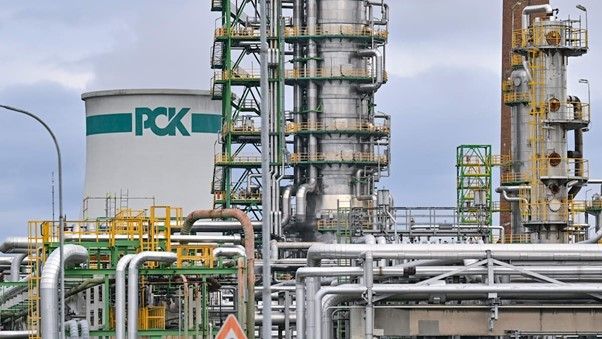
Photo. X.com
A sudden halt to Kazakh crude shipments threatens eastern German fuel security. The perfectly timed disruption hands the AfD a powerful weapon ahead of regional elections.
Berlin insists that Russia’s decision to halt Kazakh crude deliveries via the northern Druzhba pipeline from May 1 will not trigger a nationwide fuel crisis. The cutoff does, however, underscore the Schwedt refinery’s critical role in guaranteeing fuel security for the capital region and broader eastern Germany.
Moscow has confirmed that Kazakh oil previously bound for Germany will now be redirected. Russian officials vaguely cited „technical possibilities” for the shift, whereas Kazakhstan’s energy minister attributed the disruption to recent strikes on Russian infrastructure. The loss of these deliveries is significant since the route accounted for roughly 17 percent of crude supply for the PCK Schwedt facility. Germany imported 2.146 million tonnes of Kazakh oil through the Druzhba network in 2025 alone, alongside another 730,000 tonnes in the first quarter of 2026. This shortfall is acutely felt because Schwedt processes the vast majority of Berlin’s fuel and a substantial portion of Brandenburg’s.
German authorities are pointing to alternative delivery routes through Rostock and Gdańsk to ease concerns. Yet the disruption arrives at a highly sensitive political juncture. Poland’s pipeline operator PERN has offered to transport crude for Schwedt’s non-Russian shareholders if requested. The complication is that Rosneft still owns 54.17 percent of the facility, even though the German government currently exercises long-term trusteeship over the Russian company’s local assets.

The timing of this supply shock is critical. Saxony-Anhalt holds state elections on September 6, followed by Mecklenburg-Vorpommern on September 20. The AfD currently leads the polls in both states and has openly campaigned to resume Russian oil and gas imports. Regardless of the actual operational cause, this disruption serves Moscow’s interests perfectly. It places renewed pressure on eastern Germany’s energy security and provides the AfD with a prime opportunity to weaponize fuel anxieties into electoral gains.


