- KOMENTARZ
- WIADOMOŚCI
Russia escalates nuclear threats against eastern flank

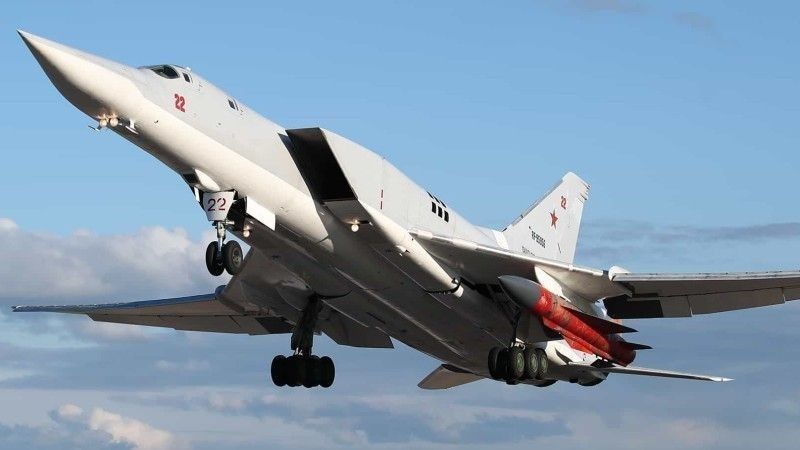
Russia’s recent threats are the implementation of a plan designed to intimidate the states of NATO’s eastern flank into limiting the support provided to Ukraine. In the coming weeks and months, an intensification of rhetoric and actions is to be expected. Moscow is brandishing nuclear weapons to provoke a „Cuban Missile Crisis 2.0”.
Russia threatens nuclear weapons. Unprecedented level of escalation since the Cold War
Russia has sent a warning to NATO regarding the possibility of using all available means, including nuclear weapons, in the event of any attempts by Alliance states to block the Kaliningrad Oblast. Communications on this matter were also conveyed by several Russian embassies, including the one in the United Kingdom. One of the pretexts, as seen in social media posts, was supposedly… programmes and journalism concerning a blockade of the Kaliningrad Oblast.
❗️ Those advocating a blockade or strike on Kaliningrad should have no illusions about the consequences.
— Russian Embassy, UK (@RussianEmbassy) September 29, 2026
Any British or NATO military action against Russian territory would be met with all means at Russia’s disposal, including nuclear weapons.https://t.co/DgNjixMBSe pic.twitter.com/mu6QZIMkyS
Naturally, in the „non-paper” document reported by the Reuters agency, NATO exercises were also described as „risky”. These, however, are organised periodically and have seen high intensity before, yet the entire information campaign was launched now, shortly after the elections to the State Duma in Russia. One diplomat, speaking to Reuters, stated that such a note, although informal, is the first such warning since the end of the Cold War. At least in terms of rhetoric, we can therefore speak of a new level of threats.
In turn, threats are being conveyed to Poland through the spokesperson of the Ministry of Foreign Affairs, Maria Zakharova, in the context of talks regarding the production of Patriot missiles within the country. This is happening despite the fact that Russia has long threatened European NATO states. However, threats were previously directed mainly at countries where equipment used by Ukraine to strike targets in Russia is produced. In the case of Patriots – purely defensive weapons used to combat incoming missiles and aircraft – such threats represent, nevertheless, a distinct shift in quality.
Almost at the same time, the Danish ambassador was summoned – two weeks after the incident itself – in connection with a Russian frigate firing flares at… a Danish helicopter. According to the Russians, the unarmed aircraft was behaving dangerously towards the ship. The actual course of events was, of course, different, and it was the charges fired by the Russian ship that endangered the light Danish craft. However, it is noteworthy that the Russians summoned the Danish ambassador in Moscow on 30 September. The event itself took place on 14 September, and Copenhagen had summoned the Russian ambassador the following day. Why, then, is the culmination of Russian „nuclear” threats occurring right now?
The answer may lie in the projection of Russia’s actions recently presented on Defence24.pl by Lt. Col. (Res.) Maciej Korowaj. According to this scenario, Russia’s goal is to provoke a „Cuban Missile Crisis 2.0” (article in Polish). This involves creating such tensions with NATO countries as to provide (or rather generate) a pretext for a broader projection related to nuclear weapons in the Baltic Sea region.

What is "Cuban Missile Crisis 2.0"?
One scenario for „Cuban Missile Crisis 2.0” is one in which Moscow, through provocations of sharply increased intensity, leads to a NATO military response. According to its doctrine, this would provide the impetus for a nuclear projection of force, for example, through a visible increase in the readiness of nuclear forces (including non-strategic ones in particular), or by conducting nuclear test explosions or other actions related to the projection of power in the field of nuclear weapons.
Statements by NATO representatives, as well as the Alliance’s actual actions, are, however, coldly calculated. Both political and military leaders are speaking unequivocally, stating that intensified provocations are currently more likely (and are taking place), but a conventional conflict is unlikely, and there are no signs of a direct threat from Russia.
Since NATO is not allowing itself to be provoked by Russia, Moscow wants to generate a pretext for such actions itself. And recent actions – for now of an informational and diplomatic nature – fit into this scenario. In the coming weeks and months, they can even be expected to escalate.
What do the Russians want to achieve?
Today, Russia’s primary goal is to cut off Ukraine from Western military aid. It wants to lend credibility to the narrative that the very act of providing aid to Kyiv makes Western states participants in the conflict, with all the resulting consequences. As Lt. Col. Korowaj stated, the Russians have a tendency for „brinkmanship”, and this is linked to actions involving the projection of nuclear forces. For now – it should be emphasised – this is on a diplomatic and informational level.
A desirable scenario for Russia in „Cuban Missile Crisis 2.0” is the commencement of negotiations, preferably only with the US, but taking into account Russia’s position of strength. Consequently, this would allow its maximalist demands to be accepted, such as reductions in Ukraine’s military potential, the withdrawal of Ukrainian forces from Donbas, and the reduction or cutting off of support from Western countries.

This does not mean that Russia does not have aggressive intentions towards NATO or EU countries. On the contrary – obtaining a favourable resolution to the full-scale war that has been ongoing for over four years is the foundation for further expansion. Russia’s steadfast demand also remains the withdrawal of Allied troops from Poland and the Baltic states. The latter was the subject of a memorandum from the Russian MFA as early as late 2021, before the full-scale aggression against Ukraine.
Currently, a further increase in the intensity of Russian threats, provocations, and strikes on Ukraine, as well as hybrid and terrorist activities in NATO and EU countries, must be expected. The Alliance must, however, maintain a coherent defensive posture and sustain deterrence at an appropriate level, for example, through military presence and exercises on the eastern flank. Support for Ukraine should continue at all times, so that Moscow cannot achieve the goals of its aggression in both the short and long term.