- WIADOMOŚCI
- KOMENTARZ
Sweden sells Gripens to Ukraine with Europe’s money

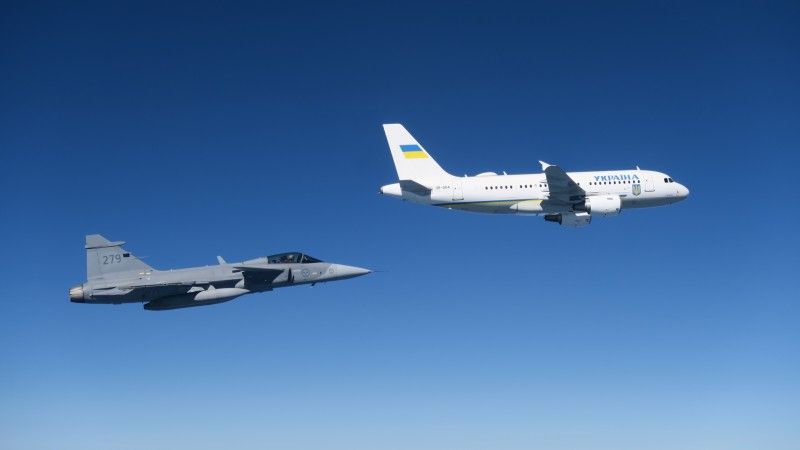
Sweden has used the moment very well. Ukraine urgently needs combat aircraft, the European Union is providing financial instruments for Kyiv, and Stockholm can now support Ukraine, strengthen Saab and build a long-term position in the Ukrainian defence market at the same time. This is not only solidarity. This is also well-calculated industrial policy.
The Swedish Government is enabling Ukraine to procure up to 20 new Gripen E/F aircraft, with Kyiv expected to allocate around €2.5 billion from the EU’s Ukraine Support Loan. At the same time, Sweden is also preparing the possibility of donating Gripen C/D aircraft as bilateral assistance, with discussions referring to a transfer that could reach up to 30 aircraft. This means that Stockholm is combining three goals: military support for Ukraine, the use of European money, and the promotion of its own defence industry.
For Ukraine, the Gripen is attractive because it was designed for dispersed operations, shorter runways and difficult conditions. This matters in a war where Russia constantly attacks airbases, logistics, critical infrastructure and command systems. Kyiv does not only need aircraft that look impressive in brochures. It needs platforms that can be maintained, dispersed, serviced and integrated into a wider air-defence and strike architecture.

Sweden has played this extremely well. Ukraine would buy Swedish aircraft with European money, while Sweden strengthens Saab and builds its long-term presence in Ukraine. At the same time, Stockholm can gradually replace part of its own fleet, donate older C/D aircraft and promote the newer E/F variant as a combat aircraft selected by a state fighting the most important war in Europe. This is where defence industry, security policy and military assistance meet in one project.
I would be cautious, however, about very high numbers such as 100 Gripens. Such figures may appear in political declarations or long-term letters of intent, but production capacity, financing, pilot training, maintenance, infrastructure, weapons integration and operational absorption will limit the pace. A more realistic model is gradual: first the transfer of existing C/D aircraft, then the procurement of 20 new E/F jets, and only later possible expansion if Ukraine has the money, personnel and infrastructure.
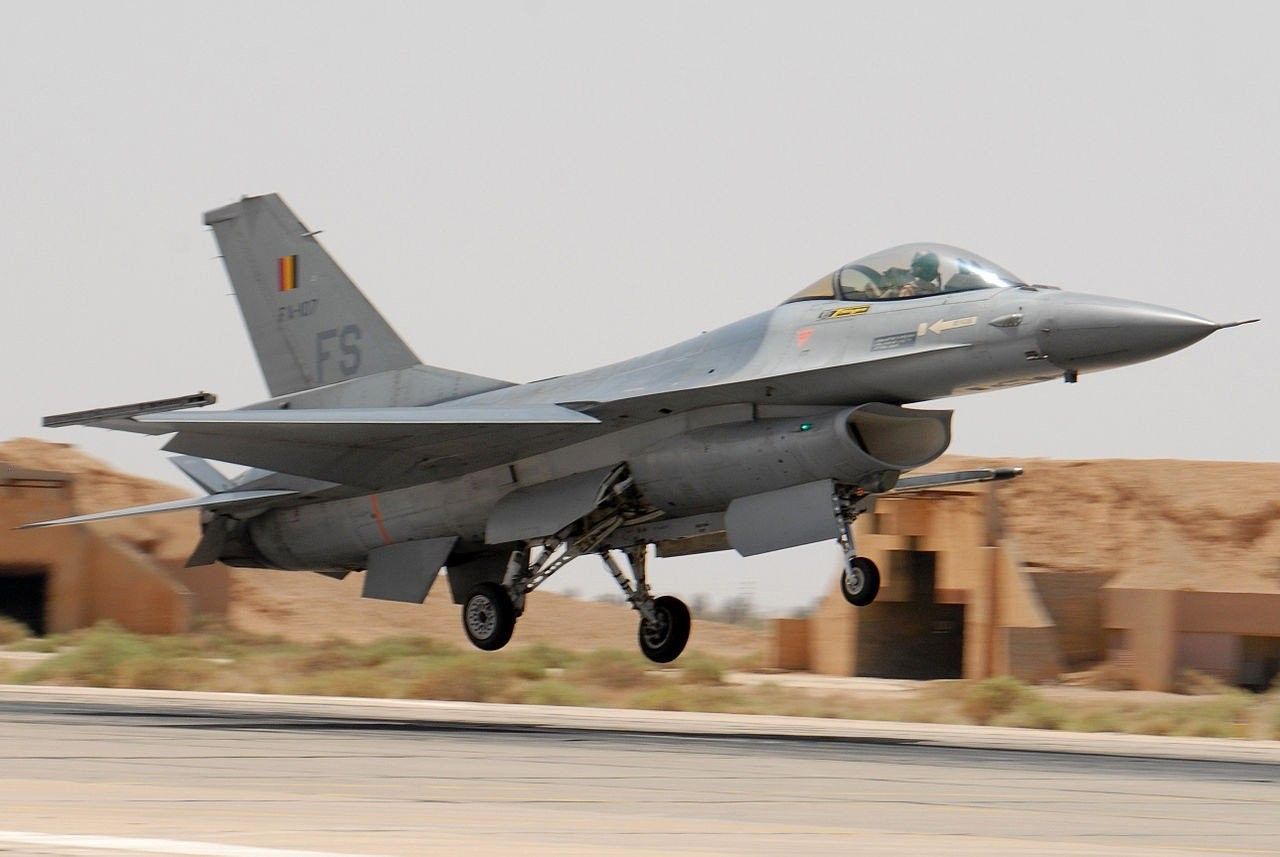
It is also important that Ukraine is not speaking only with Sweden. Kyiv is also holding discussions with France on 150 Rafale aircraft, and it will probably try to build its future air force from several sources. Politically, this gives Ukraine flexibility. Technically, it creates a problem, because different aircraft mean different training systems, spare parts, weapons, maintenance procedures and logistics chains. Ukraine will have to decide whether it wants rapid access to available platforms or a more coherent long-term aviation model.
For Sweden, this is a strong and well-timed opening. Stockholm supports Ukraine, strengthens its position inside NATO, promotes the Gripen platform and builds a long-term relationship with Kyiv in the aviation sector. For Ukraine, this is a chance to accelerate the modernisation of its air force, but also a decision with consequences for training, maintenance, logistics and future procurement. The issue is not only which aircraft arrive first. The real question is which partners will help shape the Ukrainian Air Force for the next decades.