












- WIADOMOŚCI
Terrorist challenges in the Sahel and NATO’s southern flank

The aim of the article is to analyse the growing security threats in the Sahel region and their impact on the stability of the North Atlantic Alliance’s (NATO) southern flank. The increasing presence of armed groups and the activity of terrorist organisations are leading to escalation of violence and political destabilisation, which threatens international security, particularly in Europe and NATO countries.
The Sahel is a region of strategic importance and an area of international competition. Due to the intensification of jihadist insurgencies, political instability exacerbated by coups d’état, illegal migration, as well as increasing environmental degradation, the need for comprehensive international engagement in the region has never been more urgent.
The sources of the crisis include military juntas incapable of governing and maintaining peace and security, whose power greatly hinders the development of states. The difficult situation is confirmed by the presence of United Nations peacekeeping forces, foreign troops, private military companies and mercenaries in the Sahel.
The Sahel countries are struggling with the long-term consequences of the lack of development, social fragmentation and political exclusion. The challenges of regional development and stability are combined with threats such as terrorism, extremism, ethnic tensions and systemic corruption.

Foreign competition for political, economic and military influence weakens state structures, deepens social divisions and threatens security not only in Africa but also outside the continent. The phenomena taking place in the north of the African continent directly threaten the EU and undermine NATO’s security not only on its southern flank but also on its eastern flank.
Internal conflicts in the Sahel have forced tens of millions of inhabitants to flee their homes. Violence, massive corruption, political instability and extreme climatic events have led to numerous humanitarian crises. The lack of adequate food is affecting nearly 40 million people.
The Sahel has become one of the main centres of activity for armed groups, rebels and jihadist organisations that operate with impunity in vast, poorly supervised areas. The lack of efficient border control facilitates the movement of terrorists and the transfer of people and weapons.

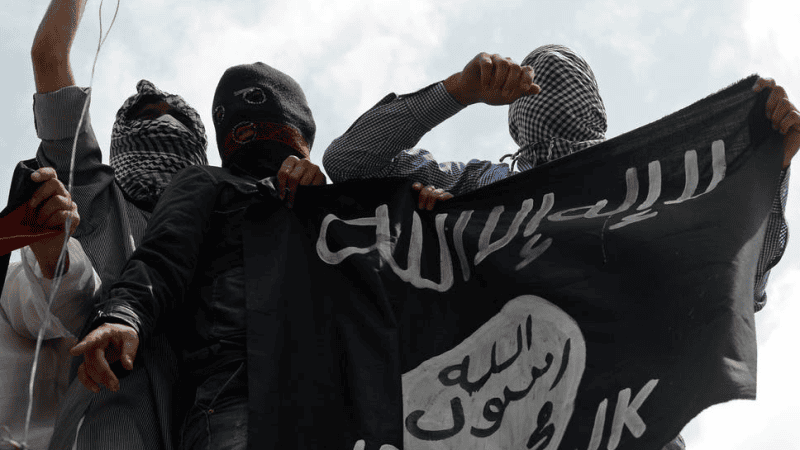
The most important terrorist structures include organisations linked to Al-Qaeda and the Islamic State. Since 2019, these organisations have extended their activities to the coastal states of West Africa. Since 2022, there has been a sharp increase in the number of attacks, and they have been extremely violent.
The significant presence of armed groups and the increase in terrorist activity in the Sahel region lead to an escalation of violence and political destabilisation, which increases the threat to international security, especially in Europe and NATO countries, as well as intensifies uncontrolled migration.


