












- WIADOMOŚCI
New defence plans of the Alliance. Will NATO destroy the Kaliningrad Oblast?

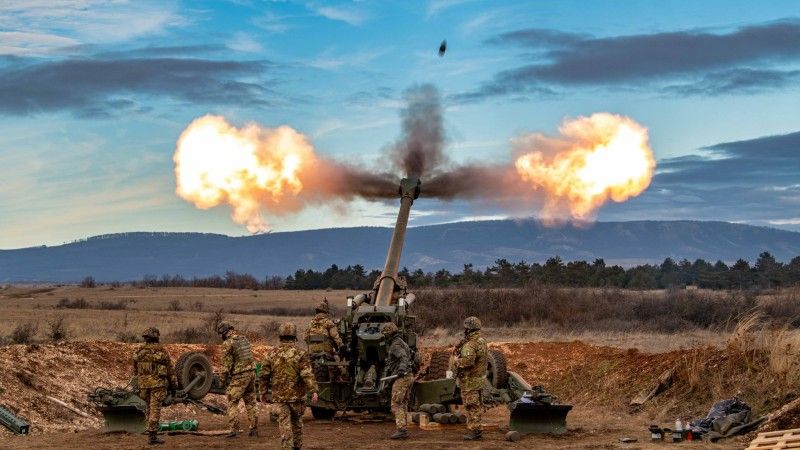
The North Atlantic Treaty Organisation is preparing a concept for land operations in the event of Russian aggression against NATO. Crucially, these plans do not exclude strikes deep into Russian territory.
NATO is reportedly working on a new land operations concept – the “NATO Land Warfighting Concept”. The German publication Bild gained access to the plans, providing further details on potential actions in the event of a Russian attack on a member state (primarily concerning the Baltic states).
Striking Russia
According to the reports, NATO would focus on effectively repelling a missile attack, halting Russian troops at the borders of the eastern flank states, and weakening Russian supply lines. The concept includes the possibility of an attack on the Kaliningrad Oblast, and missile strikes deep into Russian territory have not been ruled out. The primary objective? To neutralise the Russian missile threat as quickly as possible. This also involves attacks on military facilities and logistical disruption behind enemy lines (airfields, arms factories, bridges, and railway infrastructure).
The plans also envisage the creation of an anti-drone defence zone along NATO’s border with Russia and Belarus. NATO unmanned systems operations are planned for this region. NATO special forces are expected to play a significant role, potentially operating within Russian territory (with possible cooperation with Russian opposition movements against the Kremlin). US Major Andrew Pingray is said to be responsible for developing these concepts. He is tasked with defining NATO’s operational plans for potential conflict scenarios in the Baltic region.

Deputy Defence Minister on the NATO Concept
Information published by Bild was commented on on Tuesday by the Deputy Minister of National Defence, Cezary Tomczyk. The politician confirmed the existence of contingency plans, which are developed by NATO “regularly”. As he clarified, these specifically refer to regional plans, which consist of national plans regarding the conduct of potential defensive operations. The plans described are to be updated regularly, primarily based on experiences from the front lines of the Russo-Ukrainian War.
The Secretary of State at the Ministry of National Defence also addressed the plan mentioned in the text to create a special zone near the border with Russia and Belarus. As he stated, this primarily concerns the aim of relieving the burden on soldiers through the mass use of unmanned forces.


