- WIADOMOŚCI
- ANALIZA
Weapons of Sahelian terrorists

The flexible notion of terrorism makes it increasingly difficult, both politically and legally, to classify a given activity or act as terrorist in nature. This is aptly reflected in the maxim: “Yesterday’s terrorist is today’s freedom fighter.” The African continent itself provides many such examples—figures like Nelson Mandela, Samora Machel, and Jomo Kenyatta. On the other side of the spectrum are individuals who base their political actions on genuine terror and justify it with religious motives. Conducting a terrorist crusade, however, requires not only an ideological apparatus but also specific structures, resources, and social bases. This raises the question: what do Muslim fundamentalists in West Africa fight with?
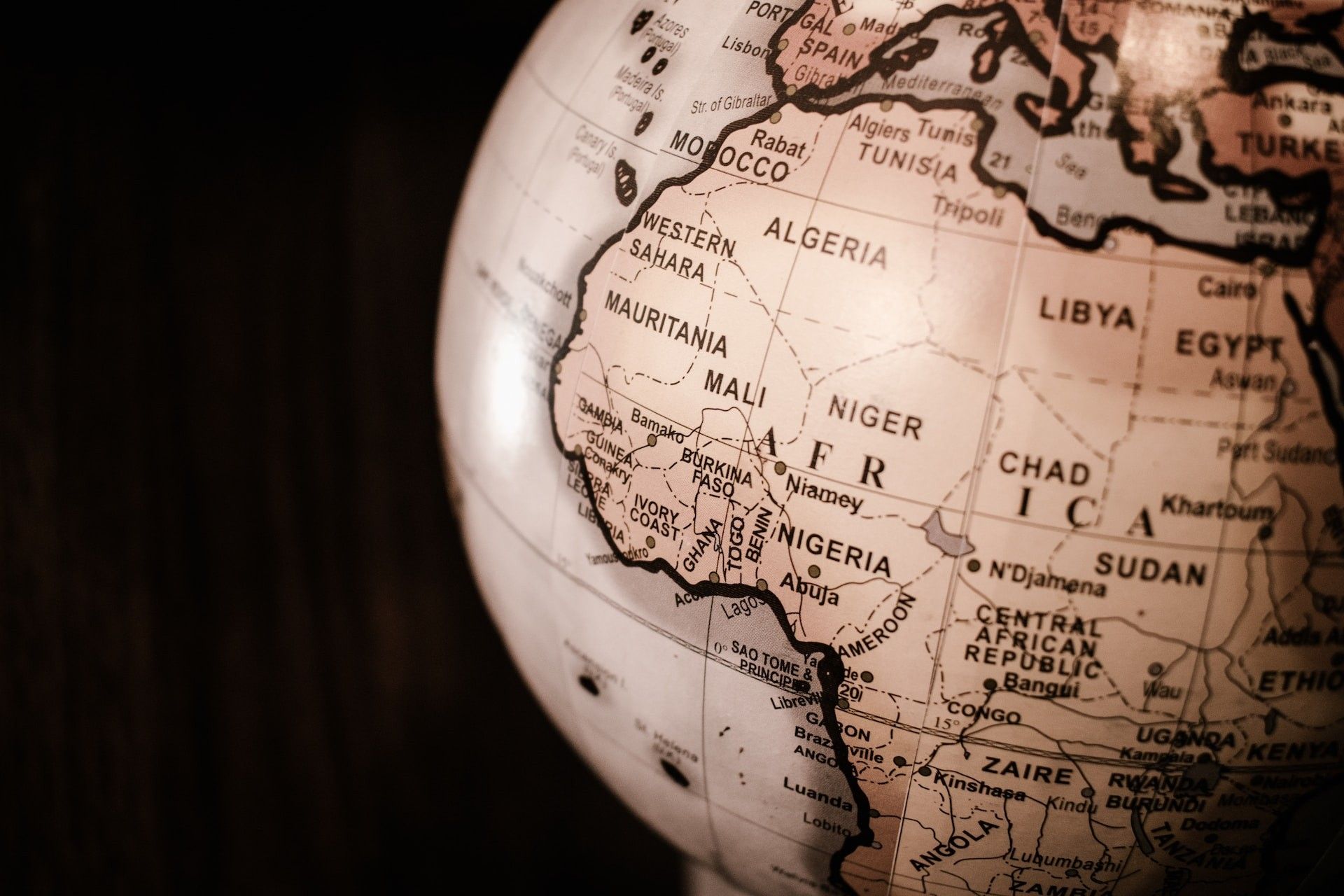
A decade ago, Muslim fundamentalist terrorism was associated primarily with the advances of the so-called Islamic State in Iraq and Syria. At the time, the Middle East was seen as the epicenter of the global war on terror. However, in the past ten years, this threat has shifted geographically and increasingly taken root on the African continent. The “migration” of extremist cells has resulted in an explosion of violence, with the number of violent incidents in Africa (6,700 in 2024) nearly tripling since 2014. The human toll is even more striking: 21,780 fatalities in total, with 11,200 deaths in the Sahel alone this year, accounting for more than half of all reported terrorism-related fatalities on the continent. This violence is largely perpetrated by terrorist groups like the Group for the Support of Islam and Muslims (JNIM) and the Islamic State in the Greater Sahara (ISGS). The security situation is further eroded by Sahelian state militaries, rebel groups, paramilitary militias, and the Africa Corps (formerly Wagner Group, which remains active in the Central African Republic).
Proliferation and arms export to Africa
The rising threat in the Sahel coincides with diminishing state control over vast territories. Currently, countries like Burkina Faso, Mali, and Niger lack jurisdiction over parts of their territory, resulting in non-state actors managing national resources. Terrorist groups have grown in strength, fueled by regional conflicts such as Algeria’s civil war (1992–2002), the 2011 invasion of Libya, and the renewed civil war in Sudan that erupted in April 2023. These conflicts effectively “opened up” weapons caches, leading to a regional proliferation of arms, including machine guns and handheld rocket launchers. Fundamentalists now primarily acquire weaponry by attacking military installations and convoys, linking their arsenal to global arms export trends.
Between 2018 and 2022, Russia accounted for 26% of the arms market in Sub-Saharan Africa, compared to China’s 21%. Moscow and Beijing continue to dominate arms shipments to Mali, Burkina Faso, and Niger, though Turkey (6.3%) and even Belarus (4.8%) are becoming increasingly active players.

Weapons used by Sahelian terrorists
All terrorist organisations, regardless of affiliation, possess diverse and non-standardised weapons and uniforms. Hallmarks include the use of motorcycles and Toyota pickups. Terrorist groups use propaganda channels like JNIM’s Az-Zallaqa or ISGS’s An-Naba to disseminate audiovisual content, shaping their messaging for local societies, African governments, and international actors.
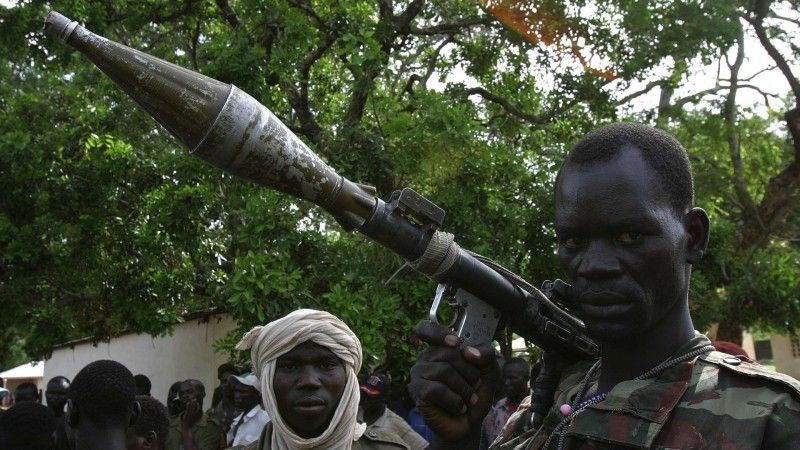
Analysis of these media suggests that the extremists’ primary weaponry is Chinese-made. Their standard rifle is the Type 56, produced in China since the late 1950s, using 7.62mm ammunition. They also utilise Type 80 machine guns, in use in China since the 1980s, and the heavy W85 12.7mm machine gun. JNIM visuals indicate their use of Type 69 grenade launchers, an 85mm Chinese counterpart to the Russian RPG-7.
Russian weapons are also widely used, such as the AK-103 7.62mm rifle and the RPG-7 anti-tank grenade launcher, a staple since 1961. Other dated yet operational weapons include the DShK machine gun (model 1938) and the 9P132 Grad-P 122mm rocket launcher, also used in Ukraine.
Weapons from the former Eastern Bloc and Yugoslavia are also prevalent, such as Croatia’s VHS rifles (5.56mm), Serbia’s Zastava rifles (M05E1 and M21 models, 7.62mm and 5.56mm), Romanian Mitralieră md. 63 rifles, Bulgarian MG-1M machine guns, and Polish AKMS PAC rifles. Western-made weapons, though rarer, include the German G3 rifle (7.62mm) and the Belgian FN FAL (7.62mm).
What could fall into terrorists' hands?
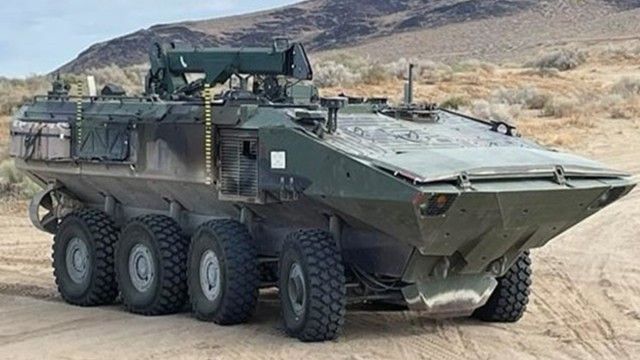
The global arms trade focused on West Africa poses a significant risk of advanced systems being seized by non-state actors. Extremists could gain access not only to small arms and outdated Cold War equipment but also to drones and armored vehicles. JNIM and ISGS cells already use UAVs, such as the Russian Zala Kub-BLA, developed in 2018. As Sahelian governments lose their monopoly on violence and territorial control, terrorists could acquire systems like Turkey’s Bayraktar TB2, AKINCI drones, or L-UMTAS anti-tank missiles, currently being exported to Niger, Mali, and Burkina Faso.
In the event of further expansion into neighboring countries, terrorists might intercept advanced Western equipment sent to Senegal, Togo, Benin, or Ghana. This underscores the need for the professionalisation of African militaries. Should extremists gain access to NATO-grade equipment, the resulting destabilisation in the Sahel and West Africa could lead to para-state structures governed by Sharia law and increased migration flows toward North Africa and Europe.
Authors: Markiewicz/Olech