












- WIADOMOŚCI
- ANALIZA
The double standards on the use of mercenaries in African conflicts

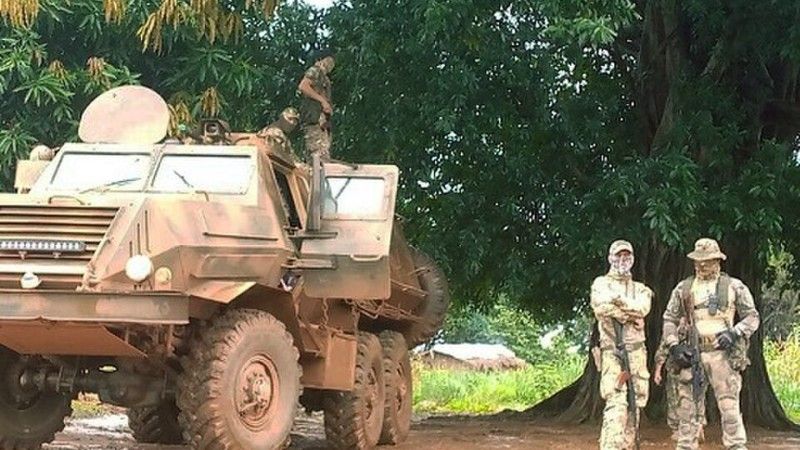
Photo. CorbeauNews / Wikimedia Commons
The use of mercenaries in conflict is not new. There is, however, disproportionate criticism of the countries that employ them. Russia previously utilised mercenaries in Mali and the Central African Republic. While these actions were criticised, the use of Colombian mercenaries by a company with links to the United Arab Emirates to train the Rapid Support Forces in Sudan hasn’t received as much scrutiny.
There is selective outrage by global players such as the US and the UK. When viewed through the lens of foreign policy, Russia’s hostile relationship with the US and Europe could be the main reason for the extensive analysis of Russia and its mercenaries, while the UAE’s close relationships with the US and the UK could account for the limited critique. There might be sanctions against the Rapid Support Forces, yet minimal ones against its supporter, the UAE. This matters because it highlights foreign affairs over accountability. The UAE has been implicated by reports of its involvement in the conflict, including the hiring of Colombian mercenaries. The mercenaries in Sudan were hired by Colombian private military contractors who were contracted by an Emirati security company with links to the ruling party of the United Arab Emirates, according to Human Rights Watch.
This occurs as weaponry from members of the international community, such as the UK, has been found in the Sudanese conflict. Such arms have been continuously provided to the RSF through the United Arab Emirates, despite its genocidal actions in El-Fasher, Sudan. Investigations indicated that French and Chinese systems were found to have been used in the Sudanese conflict, according to Amnesty International. Manufactured in the UAE, the armoured vehicles with French systems point to the UAE’s support of the RSF. The supply of weaponry and mercenaries for the RSF from the UAE, coupled with the lack of substantive sanctions, highlights the double standards. The presence of French systems in Sudan should have triggered more questions about arms diversion by the French towards the UAE.
The genocidal actions by the RSF in El-Fasher included the killing of civilians who were trying to flee the besieged city, mass killings, and starvation, according to Human Rights Watch. The use of mercenaries strengthens the warring sides with new tactics and manpower, which further prolongs the conflict. In 2023, the European Union and the UK imposed sanctions against the Wagner Group, highlighting human rights abuses as one of the bases, which hasn’t been the case with the Colombian mercenaries. The Wagner Group is a Russian-based mercenary company. The sanctions against it haven’t been selective, yet the ones targeting Colombian mercenaries have been from the US only — focusing on individuals and recruitment firms — while the UAE, a key player in the recruitment of these mercenaries, hasn’t received sanctions.
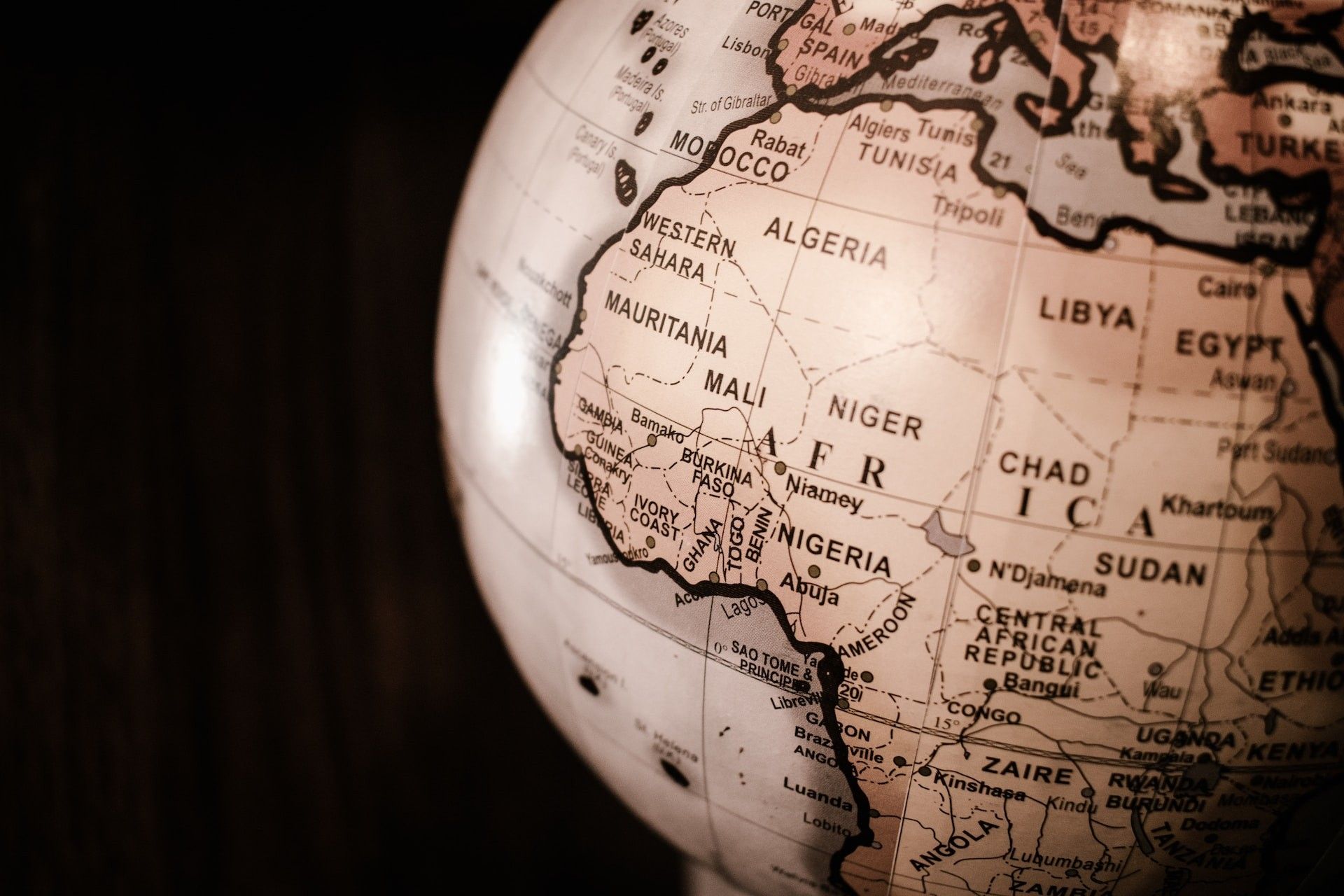
The disproportionate standards in calling out the use of mercenaries limit accountability for supporters, who continue to provide backing with no consequences. Mercenaries fight for money, not for a cause. In the case of the Colombian mercenaries, who are mostly former soldiers, they are promised payments of between $2,600 and $3,600 depending on their rank — an increase from their $400 pension. They don’t fight for causes, but rather for interests. Those assisting the Rapid Support Forces are advancing the UAE’s interests, while the former Wagner Group mercenaries are advancing Russian ones. The Colombian mercenaries have also been previously hired by the UAE to intervene in Yemen. These mercenaries in Sudan support the RSF and travel through the UAE’s military facilities. In some cases, Libya, Sudan’s neighbour to the north, has been used as a landing point for the mercenaries before they proceed to Sudan. Libya’s involvement highlights the country’s support for the RSF and its growing alliance with the UAE.
The mercenaries were hired through a Colombian-based company, A4S1, which worked with the Global Security Services Group, based in the UAE, under the guise of protecting oil interests in the country. The mercenaries’ participation was confirmed through an apology by the investigative news outlet La Silla Vacía and later by the Colombian Foreign Minister.

The disproportionate demand for accountability for mercenaries and their supporters weakens international cooperation and standards because it portrays certain interests as superior to others. In this case, it prioritises foreign policy with the UAE over accountability. Despite evidence of the UAE’s participation, accountability remains elusive. Selective sanctions trigger selective accountability, which leaves perpetrators of crimes emboldened to commit more crimes without fear of consequences. The repercussions of such selectiveness further impact the strength of international organisations as they are seen to carry out limited scrutiny.


