- ANALIZA
- WIADOMOŚCI
Where did the peace dividend go?

The end of a war usually comes with a comforting economic fantasy: the peace dividend. Less spending on weapons, less risk, more money for investment and development. Everyone gets a little richer, governments breathe a sigh of relief, businesses invest, stock markets celebrate, and GDP – presumably – takes off into the sunset. It is worth looking at things from a slightly different angle.
Peace is not the sort of event after which business owners uncork champagne, stock markets hit record highs and GDP politely starts moving upwards. The economy is considerably less romantic than that. The end of a war does not make money magically appear. It merely means that some of the money stops disappearing into a very expensive place: the cost of risk. And there is another inconvenient detail. For parts of the economy, peace may actually mean worse business.
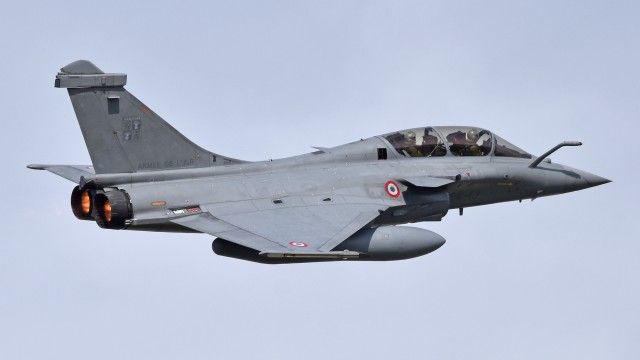
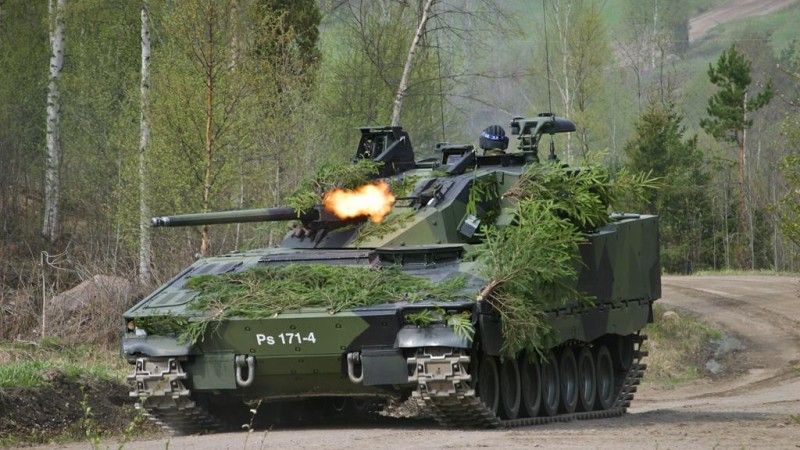
Over the past few years, the war has generated demand that a normal peacetime economy would hardly have produced. Defence companies received record orders. Governments started buying faster, buying more and – remarkably – without spending much time asking whether there was a discount. So it is hardly surprising that not everyone will be rooting for peace for purely business reasons.
Who could lose?
The defence industry, which has benefited from a surge in government orders, may see order growth slow. That obviously does not mean the end of defence spending. Poland will still need weapons, ammunition and defence systems. The difference is that once the war is over, some purchases may be spread out over time. And for a manufacturer, “we’ll buy it later” is economically rather less exciting than “we’ll buy it now”. Investment priorities may change, too.
For years, the state may have little choice but to maintain high spending on security. Greater stability, however, could make it possible to redirect some of that money towards infrastructure, energy, transport, housing or digitalisation. From the perspective of the economy, that is good news. From the perspective of a company that has spent the last few years living off a wartime ordering spree, perhaps less so.
Similar reshuffling could take place in energy and commodity markets. The end of the war could reduce the region’s risk premium, alter trade routes and restore some of the economic flows that existed before. That could lower costs for some businesses. It could also hurt those that have been making money from the current combination of prices, supply constraints and limited competition.
Which is why the slogan “peace makes everyone richer” deserves a little caution. The economy does not work like a vending machine. Put peace in. Get GDP growth out. Peace primarily changes the structure of costs, risk and demand. Some industries may benefit enormously. Others may lose. And some will simply have to discover a new way of making money. Because peace, much like war, is not a government support programme for businesses. Some will get a dividend. Some will get a bill. And some will simply discover that a very profitable business has come to an end.
See also 

The biggest dividend is invisible
The most interesting economic part of the story is that the biggest value created by peace may never show up in the government budget as a nice, reassuring line called “peace dividend”. A pity, really. It would make things so much easier.
The finance minister could simply walk into a press conference, announce that the war is over and say: here are the savings. Reality is less obliging. The biggest benefit may be much less visible. It may simply be a reduction in risk. And risk has a price, even when nobody sends us a separate invoice for it.
If investors decide that Poland and Central Europe are safer, they may be more willing to put capital here. Companies may find it easier to build a factory, warehouse or service centre. Banks may price risk more cautiously – but also more cheaply. The state may gain access to better financing terms. And an entrepreneur may finally be able to plan an investment over ten years rather than three months, until the next announcement from the front.
The same applies to supply chains. The lower the risk of war, blockades, sudden trade restrictions or transport disruptions, the fewer companies need to maintain expensive contingency plans. Extra inventories. Backup suppliers. Alternative transport routes. Insurance. None of these things create additional economic value. They are simply the price of uncertainty.
Peace can therefore reduce the cost of doing business even if not a single company receives one extra penny from the state. Less capital has to be tied up in preparing for catastrophe. More can be invested. People and businesses can make decisions with a longer time horizon. Capital can move towards where it generates the highest return rather than towards wherever it is least likely to be caught in a war. That is the invisible dividend. It does not necessarily mean that the state suddenly spends less. It may simply mean that the economy as a whole starts wasting less money on dealing with risk.
The value of peace
This is why peace could be worth considerably more than a simple comparison of military spending before and after the war would suggest. It is not just about how much the government saves on tanks. It is about how much entrepreneurs, banks, investors and households stop paying simply because they have to live and invest in a region carrying a high risk premium. Of course, none of this means that the moment a peace agreement is signed, everyone will start investing like there is no tomorrow.
Capital needs more than silence along the front line. It needs stable institutions, predictable taxes, infrastructure, energy and a credible prospect of growth. A lasting reduction in risk can nevertheless provide a powerful economic boost – one that will not necessarily appear in any single budget table. Because the biggest peace dividend may not look like billions suddenly appearing in government coffers. It may look much less spectacular. A factory that finally gets built, a cheaper loan, an investment nobody postpones or an entrepreneur who can once again plan five or ten years ahead. In other words, peace does not necessarily have to bring Poland more money. It may simply allow Poland to stop losing so much money because everyone is afraid of what might happen tomorrow.
See also

The peace dividend: How to make money from not having a war
Peace will not be free. Paradoxically, that may be precisely why it could turn out to be so economically valuable. First comes the bill: maintaining the military, rebuilding stockpiles, investing in security and adapting the economy to the new reality. Some companies will also lose the wartime boom and have to find new sources of demand. There will be no great collective party. As usual, the economy will send the invoice before anyone gets around to calculating the bonus. Only later may the dividend arrive: lower risk, cheaper capital, more investment, more stable supply chains and a role in rebuilding Ukraine. And the biggest benefits will probably not go directly into the state budget. They will remain in the economy as money that no longer has to be spent on preparing for the next crisis.
We can, of course, keep asking: How much will Poland save after the war? But the more interesting question is: How much will we stop losing simply because the war may no longer be there? Peace will not make the bills disappear. It will change the bill reality sends us. Instead of paying ever more to prepare for the worst, we may finally be able to spend more on making something better happen. And this is where the biggest paradox lies. The greatest economic gain from peace may not be what the state receives, but what the state, businesses and ordinary people no longer have to pay for. There will be no great day when the finance minister walks in front of the cameras and announces the national payout of the “peace dividend”. No transfer. No cheque. No grand “500+ for not having a war”. War can teach an economy remarkably quickly how to spend money on survival. The real test of peace will be whether we can learn to spend it on the future again. The logic is therefore fairly simple. First comes the bill. Then comes the dividend. Except that most of that dividend will never show up in our bank accounts. We will see it only when we realise that we no longer have to spend quite so much money out of fear of tomorrow.