












- WIADOMOŚCI
- ANALIZA
Nordic defence giants join forces. Will Europe's security change?

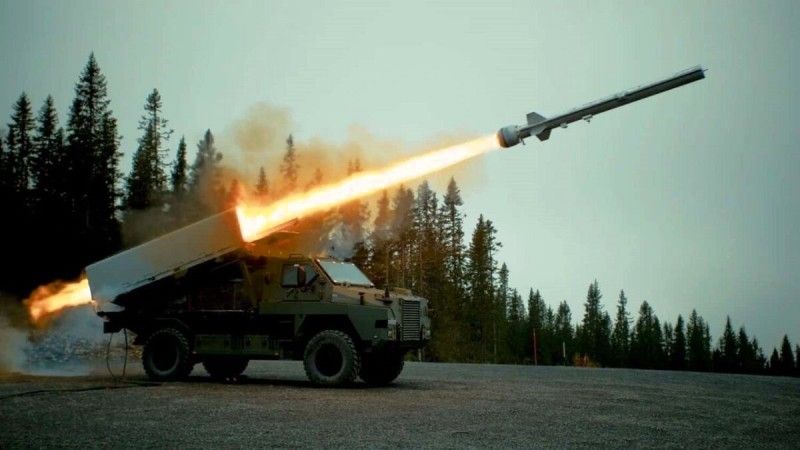
Ericsson, Kongsberg, Nokia, Patria and Saab have launched a joint defence initiative under the Nordic Compass industry alliance. The five companies will act as founding drivers of a new Defence Track within Nordic Compass. The first project proposals are due to be presented in November 2026.
The initiative brings together five of the largest defence and technology companies in the Nordic region. Ericsson is a Swedish telecommunications and technology company founded in 1876, specialising in mobile networks and 5G infrastructure. Kongsberg is a Norwegian defence and aerospace group established in 1814, known for its naval systems, missile technology and space solutions. Nokia is a Finnish telecommunications company founded in 1865, now a global leader in network infrastructure and communications technology. Patria is a Finnish defence and aerospace company established in 1997, specialising in armoured vehicles, munitions and aircraft maintenance. Saab is a Swedish defence company founded in 1937, known for its Gripen fighter jets, submarines and advanced radar systems. Together, these companies represent decades of experience and significant technological capabilities that are now being combined to strengthen regional defence.
Nordic Compass is a pan-Nordic industry alliance that aims to promote collaboration between companies from the Nordic countries. The alliance was established to strengthen the competitiveness and innovation capacity of Nordic industry across various sectors. The new Defence Track is a dedicated initiative within this framework, focused specifically on defence and security projects. The five founding companies will work together to develop industry-backed proposals that can be presented to governments and procurement agencies across the region.
The first proposals are expected to be ready by November 2026, which indicates that the companies are moving quickly to translate their collaboration into concrete projects. The initiative is designed to leverage the combined expertise of the five companies, covering everything from telecommunications and network infrastructure to advanced weapon systems and aerospace technology. By pooling their resources and knowledge, the companies aim to create solutions that none of them could develop alone.
Fast prototyping and joint investments
The Nordic Defence Track initiative is structured to accelerate the development of new defence capabilities. The companies plan to work on projects that address emerging threats and technological challenges. This includes areas such as advanced communication systems, integrated air defence, unmanned systems and cybersecurity. The collaboration is expected to involve both research and development as well as production and deployment of new systems.
One of the key advantages of the initiative is the ability to share costs and risks associated with large-scale defence projects. Developing new defence systems is expensive and time-consuming, and by working together, the companies can reduce the financial burden on each participant. This also allows them to pursue projects that might be too ambitious for a single company to undertake alone. The initiative is also expected to strengthen the Nordic defence industrial base, making it more resilient and less dependent on suppliers from outside the region.
The companies have not disclosed specific details about the projects they plan to pursue. Given their respective areas of expertise, it is likely that the proposals will include advanced sensor and communication systems, integrated command and control platforms, as well as new solutions for electronic warfare and cyber defence. The November deadline suggests that the companies are already working on initial concepts and are confident that they will have viable proposals ready within a few months. The initiative is open to other Nordic companies that may wish to join, although the five founding members will remain the core drivers of the Defence Track.

Industrial scale and export potential
The Nordic region has seen increased security concerns in recent years, particularly following the war in Ukraine and heightened tensions in the Baltic Sea area. The five companies are responding to these challenges by strengthening their cooperation and offering integrated solutions to their respective governments. The initiative aligns with broader efforts to enhance Nordic defence cooperation, including joint procurement and standardisation of military equipment.
The Nordic countries have a long history of defence cooperation, but the involvement of private industry at this scale is a relatively new development. By involving companies directly in the planning and development of defence capabilities, the initiative aims to create a more efficient and responsive defence industrial base. This could lead to faster delivery of new systems and better alignment between military needs and industrial capabilities.
The Defence Track is also expected to have positive economic implications for the region. Defence and technology companies are among the largest employers in the Nordic countries, and the initiative is likely to create new jobs and support existing ones. The collaboration may also open up export opportunities, as the combined capabilities of the five companies could attract interest from other countries seeking advanced defence solutions.


