












- WIADOMOŚCI
Germany bets big on kamikaze drones with a spotty record in Ukraine

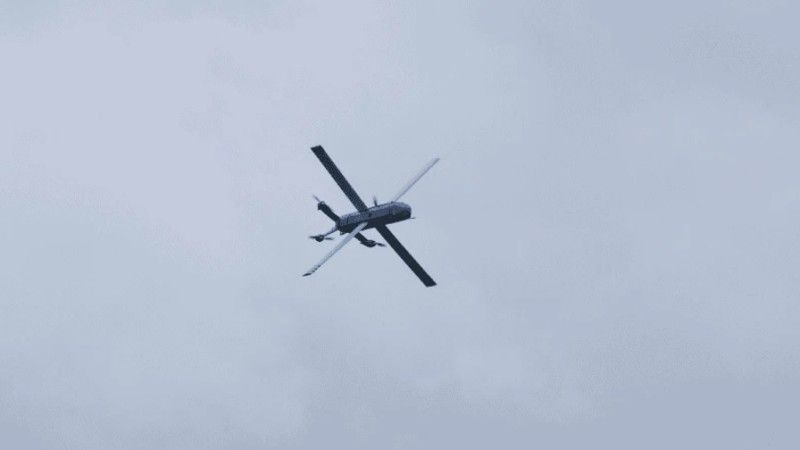
As the Bundeswehr prepares to equip its brigade in Lithuania with kamikaze drones from German start-ups, a secret dossier from Kyiv has raised alarm. The briefing warns that Russian jamming is wreaking havoc on the hardware, driving the hit rate down to a dismal 36%.
Berlin is preparing contracts worth up to €300 million each for loitering munitions - armed one-way attack drones - from the start-ups Helsing (manufacturer of the HX-2) and Stark Defence (Virtus). A decision from the Bundestag’s budget committee is expected in February, as all defence deals exceeding €25 million require parliamentary sign-off. This move would mark the Bundeswehr’s first acquisition of „suicide” strike drones, with deliveries intended to equip the German brigade stationed in Lithuania later this year.

However, a confidential briefing on the HX-2’s performance on the Ukrainian frontline offers a sobering perspective. The drone reportedly achieved its intended effect in only 5 out of 14 deployments, representing a success rate of just 36%. The memo highlights technical issues, including unstable video links and sensor limitations, such as a fixed camera lacking zoom. These deficiencies reportedly forced operators to fly dangerously close to targets to identify them, increasing the rate of drone losses before they could strike. Defence officials and company representatives have pushed back, arguing that this data reflects an earlier configuration and that rapid upgrades can and will lift performance.
Germany’s procurement plan attempts to balance these risks. Reports describe contracts tied to strict performance targets and an initial acquisition in the mid-four-digit range, rather than an immediate mass order. Notably, major contender Rheinmetall has so far been left out following Bundeswehr testing, even as the total spending envelope under discussion reaches up to €900 million.

The dilemma mirrors the hard lessons learned in Ukraine: in a battlespace saturated with electronic warfare, link stability, sensor quality, and operator training are often as critical as the warhead itself. A briefing to the UK Parliament noted reports attributing 75% of Ukrainian drone losses to Russian electronic warfare.
Helsing rejects claims of poor performance, stating the HX-2 is approved for frontline use and achieved near-100% hit rates in controlled tests. The challenge for Germany now is to prove the concept can scale effectively in combat, rather than just impressing in trials.


