












- WIADOMOŚCI
Decade after brexit: Would UK vote to return?

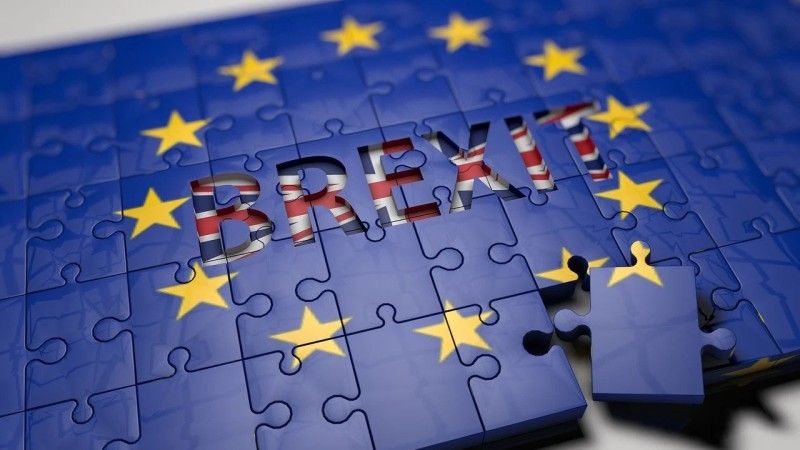
Ten years ago, the majority of Britons decided to leave the European Union. How are the consequences of leaving the community assessed today?
According to the latest poll by YouGov, 57 percent of respondents consider Great Britain’s departure from the European Union a mistake. 30 percent consider the Brexit decision to be correct. Greater differences are visible in the report by More in Common titled „Brexit 10 Years On”. Most claimed that the key promises of Brexit have not been delivered. Four in ten respondents think „leaving the EU has made their daily lives worse, which is four times the rate of those who say it improved their lives.” Two-thirds of those surveyed feel negative effects while travelling abroad, 62 percent link Brexit with increased cost of living, and 56 percent believe that Brexit has had a negative impact on the economy. The issue of migration was also included in the research. 52 percent of respondents assessed that leaving the Union has made it more difficult to prevent illegal migration.

Prof. John Curtice, a polling expert from Strathclyde University, notes that this year’s polling average shows that if a Brexit referendum were held today, the results could differ significantly from those of 10 years ago. „Support for EU membership stands at 60 percent, while opposition is at 40 percent” (excluding undecided voters). Since September 2022, only one study has indicated a lead for Eurosceptics.
Keiran Pedley from Ipsos Mori states that we are dealing with long-term trends. „The majority of public opinion judges that Brexit was the wrong decision. A similar number of people, though it depends on how the question is phrased, seem to believe that Brexit was implemented poorly.” According to the expert, however, the picture is more complicated. „The point is that some may believe Brexit failed while still believing it was the right decision. Therefore, for example, a significant portion of those who supported leaving in the referendum believe that Brexit turned out to be a failure, but simultaneously still support it,” Pedley explained.
As Luke Tryl from More in Common points out, Britons do not want a „return (to the EU) at any price.” This is evident in an in-depth YouGov study. To the question „Would you support or oppose returning to the Union?” those in favor of reversing Brexit account for 55 percent. However, the results flip when respondents are asked about their willingness to return to the Union if it meant joining the Eurozone and the Schengen Area. When the question is posed this way, 35 percent support returning, while 43 percent prefer to remain outside the Union.
See also 
In summary, the mood in Great Britain is not clear-cut. At first glance, it may seem that the inhabitants of the islands are interested in returning to the European Union. However, by delving into the subject and asking increasingly specific questions, we encounter growing scepticism from the British. As Pedley from Ipsos emphasises, the key issue remains the link between the foundation of the Union—the single market—and the free movement of workers. In Ipsos studies, the issue of migration is most prominent. Most citizens still believe that the British government should have full control over immigration and borders. This was one of the main reasons for voting to leave the Union in the first place—opposition to the free movement of people. Given today’s anti-migration sentiments among parts of society, one can be certain that this argument would be invoked in the debate over the UK’s return to the EU. Currently, none of the major parties on the British political scene present returning to the Union as one of their flagship policies.
It is worth recalling that in the 2016 referendum, citizens of Great Britain had to answer the following question: „Should the United Kingdom remain a member of the European Union or leave the European Union?” 52 percent of voters opted to leave the Union, while 48 percent wanted to stay. Turnout was 72 percent.


