












- WIADOMOŚCI
East Front News #77: MiG-29s to Ukraine; Georgia between Europe and Russia

East Front News is a weekly newsletter summarizing the past week’s most important events concerning security and the situation in the Central and Eastern Europe region. It includes original opinions and comments, along with key news items significant from a Polish perspective. If you would like to receive this newsletter, please sign up by clicking
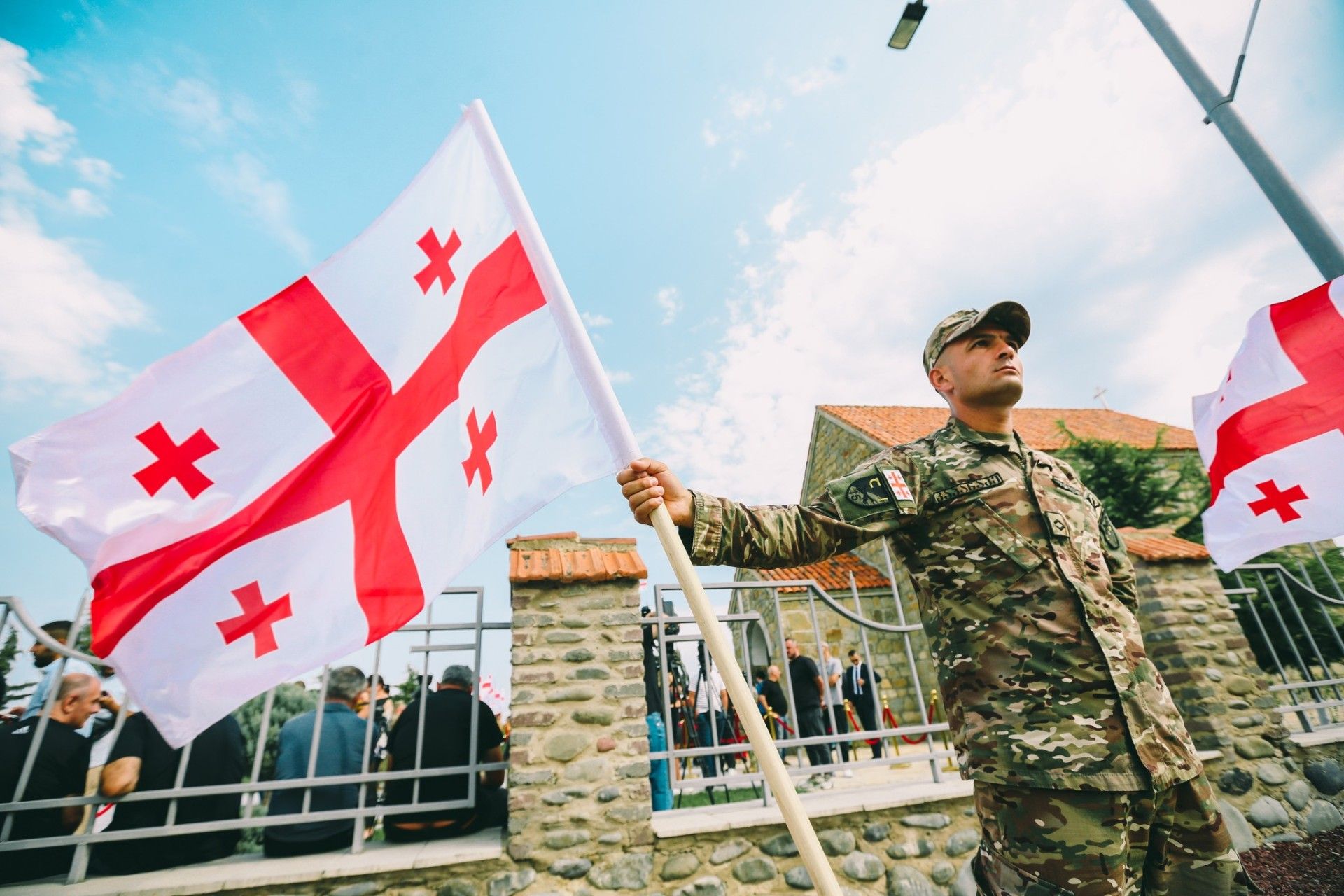
Georgia between Europe and Russia
Georgia’s strategic value as a transit state linking Europe with the South Caucasus and Central Asia contrasts sharply with its internal political drift. Increasing repression, pressure on opposition forces and weakening institutions are eroding trust in Tbilisi at a time when Europe needs reliable partners to secure energy diversification and sanctions enforcement. The result is a growing perception of Georgia as a potential weak link rather than a strategic asset.
From a regional perspective, this matters far beyond domestic politics. A weakened or semi-isolated Georgia reduces EU leverage in the South Caucasus, complicates the Middle Corridor concept and opens space for Russian influence through hybrid and economic channels. For Poland and other Eastern flank states, this is not a distant problem but a direct challenge to Europe’s connectivity and security architecture.
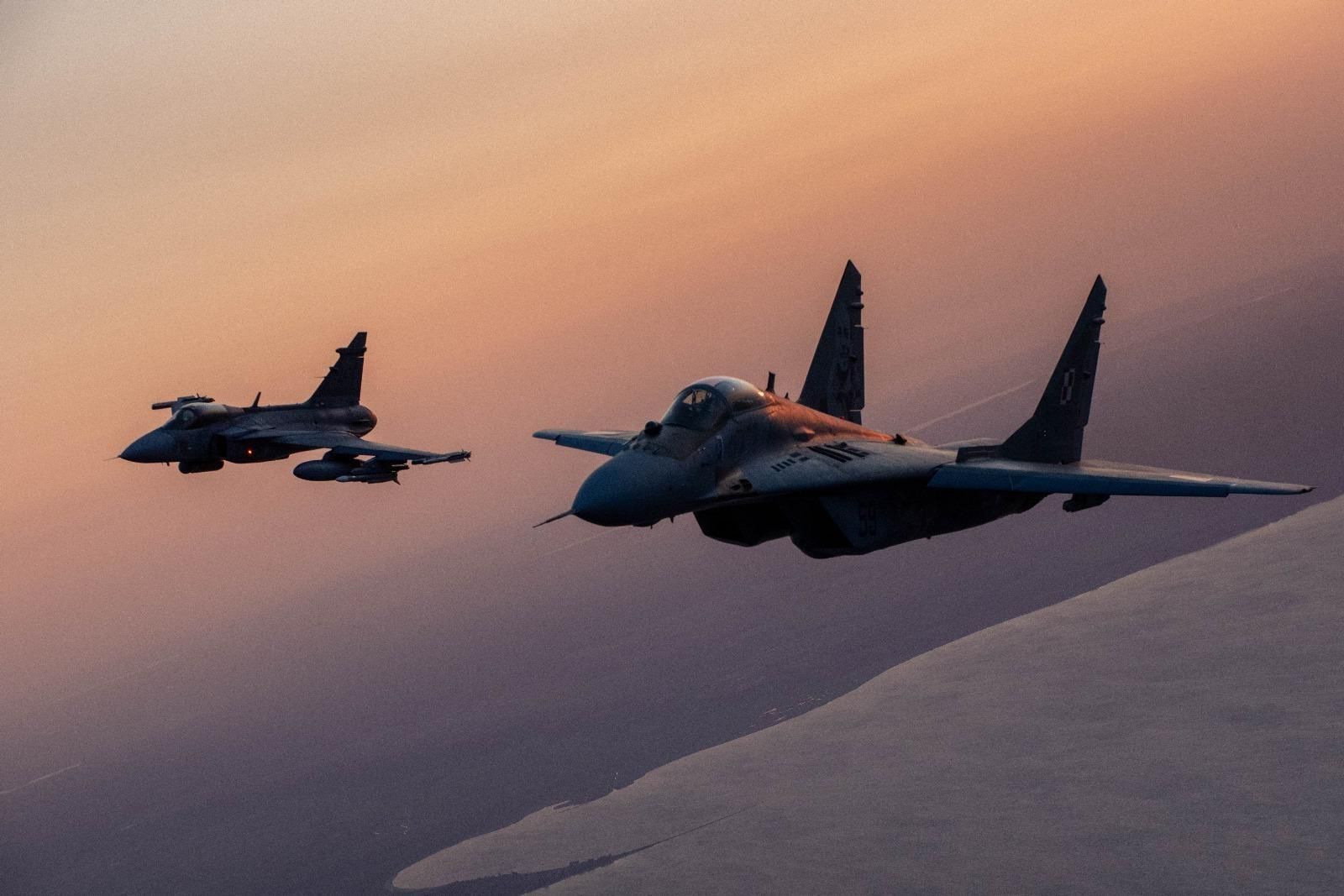
MiG-29s for Ukraine: Poland's last Soviet legacy
The potential transfer of Poland’s remaining MiG-29s to Ukraine is more than a technical decision; it is a symbolic closing of the post-Soviet chapter in the Polish Air Force. As FA-50s and F-35s enter service, Warsaw gains the strategic space to divest legacy platforms while reinforcing Ukraine’s immediate air defence needs. For Kyiv, MiG-29s remain valuable due to pilot familiarity and rapid integration, even as Western aircraft gradually arrive.
At the same time, this move reflects the changing nature of military assistance. Instead of one-way donations, Poland now expects technological compensation from Ukraine’s defence industry, acknowledging Kyiv’s growing role as an innovator in drones and counter-drone systems. The relationship is becoming more transactional, but also more balanced, signalling a maturing defence partnership under wartime conditions.
Estonian intelligence: Russia isn't planning an attack on NATO
The director of Estonia’s Foreign Intelligence Service, Gen. Kaupo Rosin, told ERR News that, at that time, Russia was not planning an attack on the Baltic states or any other NATO country.
In an interview with local ERR News, General Kaupo Rosin, the Estonian Foreign Intelligence Service Director reviewed developments of recent months, addressing, among other things, hybrid activities by the Russian Federation aimed at NATO members.Estonian intelligence: Russia isn’t planning an attack on NATO

History as a weapon: Russia's pressure on Finland
Russia’s information campaign against Finland shows that historical narratives are no longer background noise but operational tools of state policy. By reframing the past through accusations, legal actions and symbolic gestures, Moscow is preparing the ground for future political pressure. The pattern is familiar: narrative construction first, legal justification second, coercive leverage later.
For the Nordic–Baltic region, this is a warning that deterrence must extend beyond tanks and troops. Protecting historical memory, legal integrity and public discourse is now part of national defence. Finland’s experience mirrors earlier pressure on the Baltic states and Poland, underlining the need for coordinated responses to information warfare across the eastern flank.

Russian–Serbian ties: economy, security and leverage
Serbia’s relationship with Russia is anchored in energy dependence, military cooperation and deep intelligence links, giving Moscow structural influence that goes far beyond symbolism. Control over key assets such as NIS and continued arms cooperation provide Russia with economic and security levers inside a country formally seeking EU integration. This duality allows Belgrade to balance between blocs, but at an increasing cost.
Geopolitically, Serbia functions as a potential hub for Russian influence in the Western Balkans, affecting Bosnia and Herzegovina, Montenegro and Kosovo. As EU patience wears thin and US pressure grows, Belgrade’s room for manoeuvre is shrinking. The longer structural dependence persists, the more painful any strategic reorientation towards Europe will become.

French–US rivalry in South America
Washington’s growing activism in the northern tier of South America has triggered open concern in Paris, not because of Venezuela alone, but because it directly touches French sovereign territory and strategic assets. French Guiana is no longer a distant overseas department but a frontline of geopolitical competition, hosting critical military infrastructure and the Guiana Space Centre. For France, any unilateral US action in the region undermines both European credibility and the principle that allied interests are not expendable.
This emerging rivalry exposes a deeper fracture in transatlantic coordination. Paris increasingly views US behaviour as unpredictable and insufficiently transparent, particularly in intelligence and operational matters. The consequence is a shift from cooperative management to positional competition, where presence, legal authority and the ability to act independently matter more than diplomatic assurances.
If you would like to receive this newsletter, please sign up by clicking.
East Front News is a weekly newsletter and article on Defence24.com summarizing the past week’s most important events concerning security and the situation in the Central and Eastern Europe region. It includes original opinions and comments, along with key news items significant from a Polish perspective.


