- KOMENTARZ
- WIADOMOŚCI
Rafale for Ukraine is still a long way off

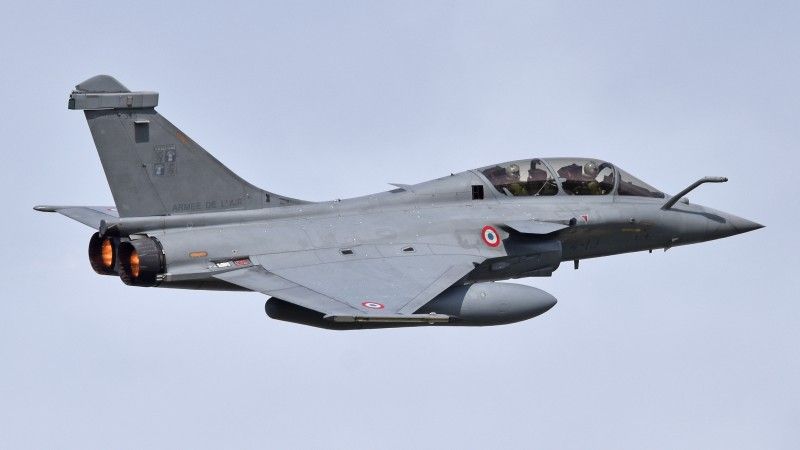
France wants to begin the initial training of Ukrainian pilots on the Rafale, while French engineers are also working to adapt the AASM Hammer for the Gripen. Both projects show that Paris is already thinking about the future shape of Ukrainian combat aviation. However, the Rafale should not be presented as an aircraft that Ukraine could receive and start using in the near future. The gap between beginning training and creating an operational Rafale capability remains very large.
The experience with the Mirage 2000-5 is important here. Ukraine received six French aircraft and subsequently lost one, leaving five from the original batch. At the same time, France and Ukraine have already faced difficulties in generating enough trained pilots and personnel for the Mirage fleet, and the training process has not developed as quickly as initially expected. This raises an obvious question: if Ukraine is still struggling to fully exploit a very small Mirage fleet, how quickly could it realistically move to the much more demanding Rafale?
The Rafale requires a new training cycle for pilots, technicians and ground crews, as well as maintenance infrastructure, spare parts, weapons integration and a permanent logistics chain. Training alone would take many months. Even if the political decision were taken quickly, this would not mean that Ukrainian pilots could suddenly fly combat missions with Rafales a few weeks later.
There is also the question of aircraft availability. France cannot simply transfer a large number of Rafales from its own air force without affecting its capabilities, while Dassault already has a substantial export order book and French requirements to meet. Ukraine may therefore plan for Rafale as part of its future air force, but building that fleet will be a gradual process rather than an emergency wartime delivery.
See also 
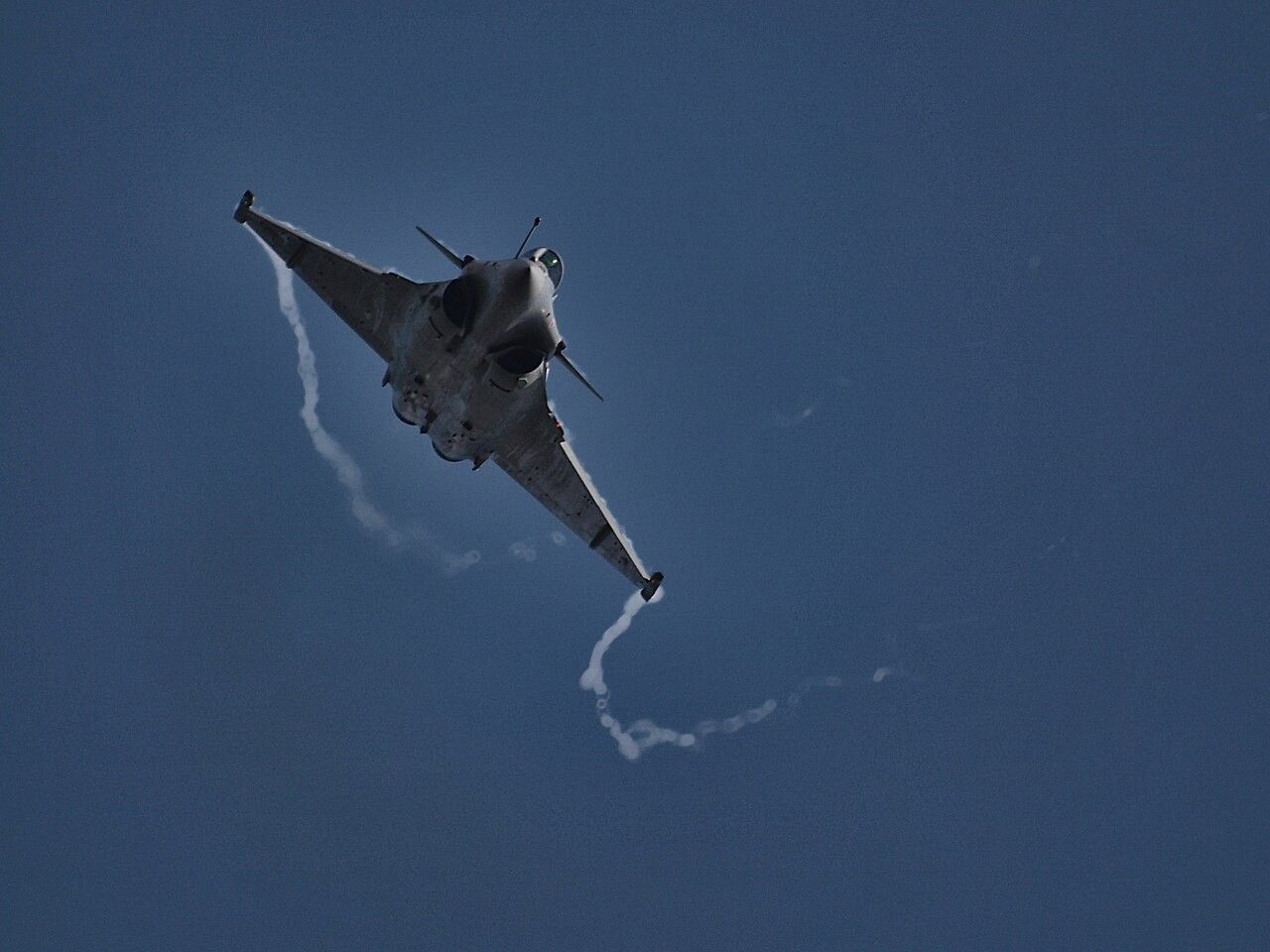
The work on integrating the AASM Hammer with the Gripen is interesting for the same reason. Paris is clearly looking beyond individual French platforms and trying to ensure that French weapons can be used by different aircraft that may eventually enter Ukrainian service. This is a much more realistic approach than assuming that one new fighter type will suddenly solve Ukraine’s problems in the air.
The most important signal is therefore political and military planning rather than an imminent Rafale transfer. France is clearly prepared to remain involved in the reconstruction of the Ukrainian Air Force for years. That matters, but after the difficulties already seen with the Mirage programme, Rafale should be treated as a long-term project measured in months and years, not as another aircraft that can quickly be sent to the front.