












- WIADOMOŚCI
- KOMENTARZ
- ANALIZA
- OPINIA
What does NATO’s 2025 report say about its future?

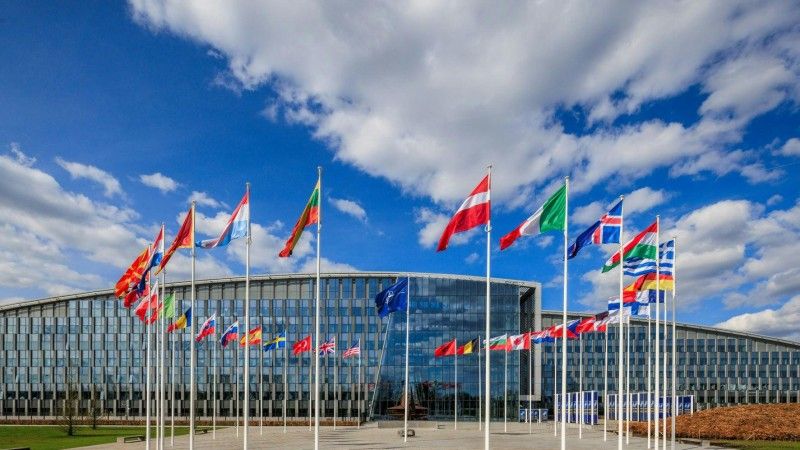
NATO’s 2025 report shows both continuity and change. NATO has enhanced its conventional forces, technological assets, and logistical capabilities. Yet persistent gaps remain — particularly in the supply chain issues, policy toward the revisionist actors, and political unity.
In 2025, NATO continued to strengthen its ability to conduct defence operations by enhancing combat readiness and increasing the availability of forces. A key role is played by the NATO Force Model, which enables the organisation, management and rapid activation of Allied forces.
The report attached particular importance to maintaining a forward presence on the eastern flank, where multinational Forward Land Forces are deployed in Bulgaria, Estonia, Hungary, Latvia, Lithuania, Poland, Romania and Slovakia, and soon to be established in Finland. These units remain at high readiness, are interoperable, and capable of rapidly scaling up to brigade level.
At the same time, NATO is developing its response capabilities through the Allied Reaction Force, which reached full operational capability in 2024 and was tested during the Steadfast Dart 25 exercise, confirming the Alliance’s ability to conduct multi-domain operations.

Photo. Secretary General Annual Report 2025 - NATO
Resilience at the core
Resilience remains a central element of NATO’s deterrence and defence posture, understood as the ability to prepare for, resist, respond to and recover from disruptions. It is no longer treated as a purely military domain, but as a whole-of-government and whole-of-society responsibility, integrating civilian infrastructure, the private sector and public administration into defence planning.
In 2025, Allies faced an increasing number of hybrid actions, including cyber attacks, disinformation, sabotage of critical infrastructure and political interference. In response, NATO strengthened its approach by enhancing cyber defence, protecting key infrastructure and improving the monitoring of hybrid threats.
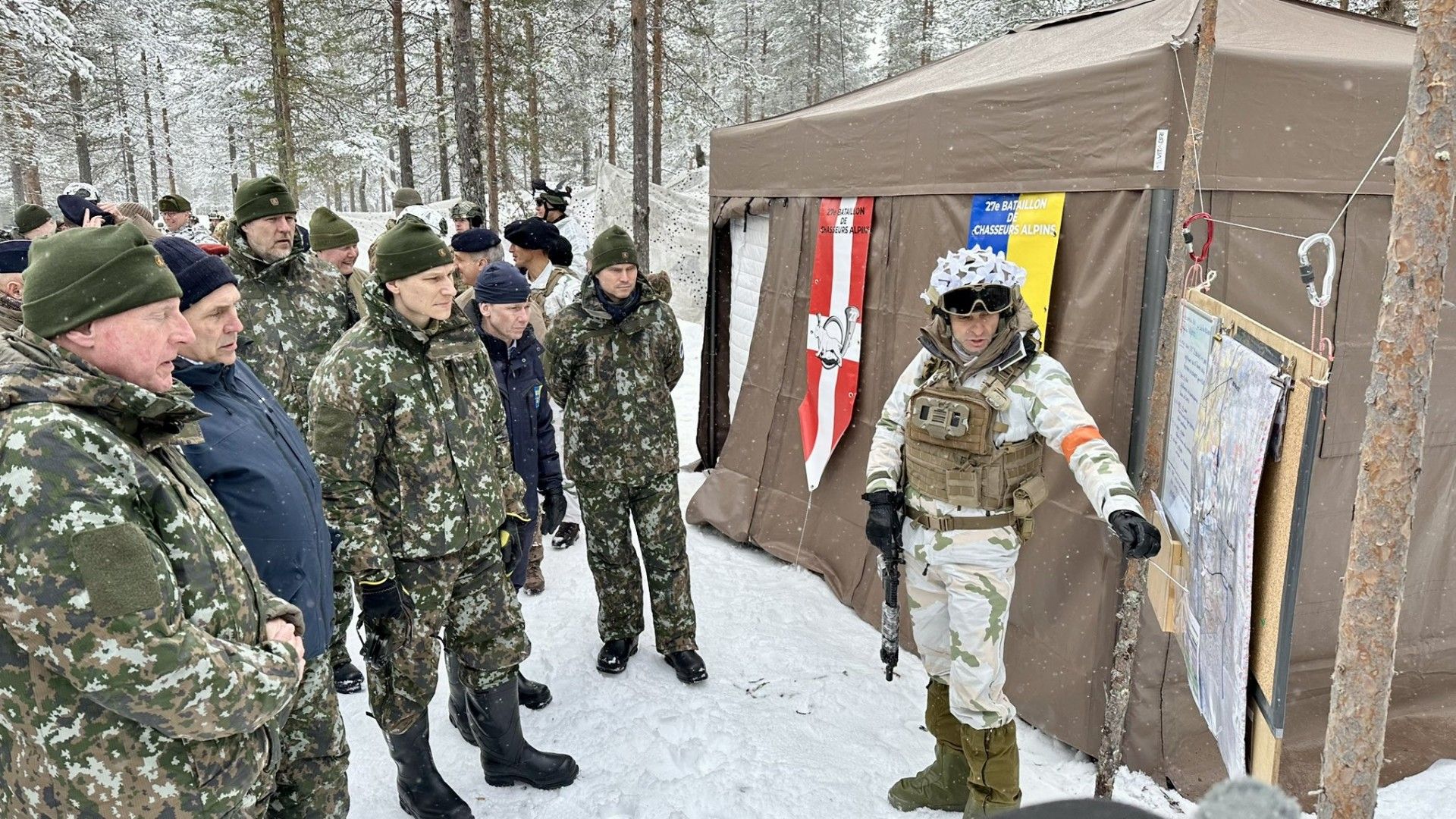
Initiatives such as Baltic Sentry demonstrated the practical use of military tools in countering hybrid actions, while increased investments in resilience and civil preparedness indicate a growing recognition that societal strength underpins military effectiveness.
Expenditure increases, but disparities remain
At the 2025 NATO Summit in The Hague, Allies agreed on a significant increase in defence spending, committing to allocate up to 5% of GDP annually by 2035. This includes at least 3.5% dedicated to core defence requirements and meeting NATO Capability Targets, alongside up to 1.5% for broader security-related investments such as infrastructure protection, resilience, innovation and strengthening the defence industrial base.
Despite these commitments, current data reveal clear disparities between Allies in both overall defence spending and the share allocated to equipment and modernisation, which continues to affect the pace of capability development and burden-sharing within the Alliance.

Photo. Secretary General Annual Report 2025 - NATO
NATO's partnerships bloom
Partnerships remain a central pillar of NATO’s approach to security, reflecting the growing complexity of the strategic environment and the limits of acting alone. In 2025, cooperation with 35 partner countries continued to support the Alliance’s core tasks, including deterrence, crisis management and cooperative security. This included participation in NATO exercises, contributions to missions such as those in Iraq and Kosovo, and engagement in training, capacity-building and financial mechanisms. NATO’s partnership network now spans multiple regions and combines bilateral cooperation with structured regional frameworks.
The Western Balkans remained a priority area, with NATO maintaining a strong political and military presence aimed at ensuring regional stability. Engagement with Bosnia and Herzegovina was reinforced through high-level visits, a tailored partnership programme and continued support via NATO Headquarters Sarajevo. At the same time, cooperation with Serbia continued within the Partnership for Peace framework, balancing political dialogue with practical military engagement and coordination with EU-led operations.

In Eastern Europe and the South Caucasus, NATO focused on resilience, political dialogue and capacity-building. Cooperation with the Republic of Moldova intensified, particularly in cyber security and countering malign interference, while respecting its neutrality. In the South Caucasus, NATO supported progress towards normalisation between Armenia and Azerbaijan and maintained engagement with Georgia despite political challenges. At the same time, NATO expanded its activities in the Southern Neighbourhood, strengthening cooperation in areas such as counter-terrorism, defence reform and civil preparedness.
At the global level, NATO continued to deepen cooperation with Indo-Pacific partners, recognising the increasing interconnection between Euro-Atlantic and Indo-Pacific security. Engagement with Australia, Japan, the Republic of Korea and New Zealand focused on emerging technologies, supply chain security, interoperability and support for Ukraine. This reflects a broader shift towards a more integrated and networked approach to security, involving both regional partners and international organisations.
European pillar of NATO: symbiosis not duplication
Beyond cooperation with external partners, the report underscores NATO-EU cooperation, which is an axis of critical importance if further autonomous capability acquisition is to happen within Europe. The report notes that the cooperation with the EU has been expanded through exercises, external missions, and continued dialogue. Key operational areas included, among others, countering hybrid and cyber threats, military mobility, and strengthening resilience.
A key takeaway is that a functional symbiosis between the EU and NATO is essential; however, the two organisations should remain complementary rather than substitutive. NATO, as a military alliance, should focus on the operational domain, while the EU, as an economic and regulatory power, should leverage its instruments to support capability development, facilitate coordination through frameworks such as PESCO and the European Defence Agency, and strengthen responses to hybrid and cyber threats through sanctions and attribution mechanisms.
NATO in the air, at sea, and on land
The air domain remains one of NATO’s three core tasks, as it’s indispensable for securing all the allies, especially in light of the increasingly prevalent illegal airspace incursions from Belarus and Russia. One of the key improvements includes NATO’s 2025 »Sense and Avoid« standard enables uncrewed aircraft to safely operate in non-segregated airspace, significantly enhancing their mobility and interoperability. Furthermore, allies have invested heavily in electronic warfare capabilities as well as measures to mitigate the GNSS Interference to bolster deterrence and defence in the air domain.
At sea, NATO emphasises the protection of critical maritime infrastructure and multi-domain operations, including through unscrewed systems. To that aim, NATO established the Allied Underwater Battlespace Mission Network to secure an interoperable underwater communication and data-sharing architecture, enhance command and control, improve situational awareness, and address capability gaps in areas such as anti-submarine and seabed warfare.
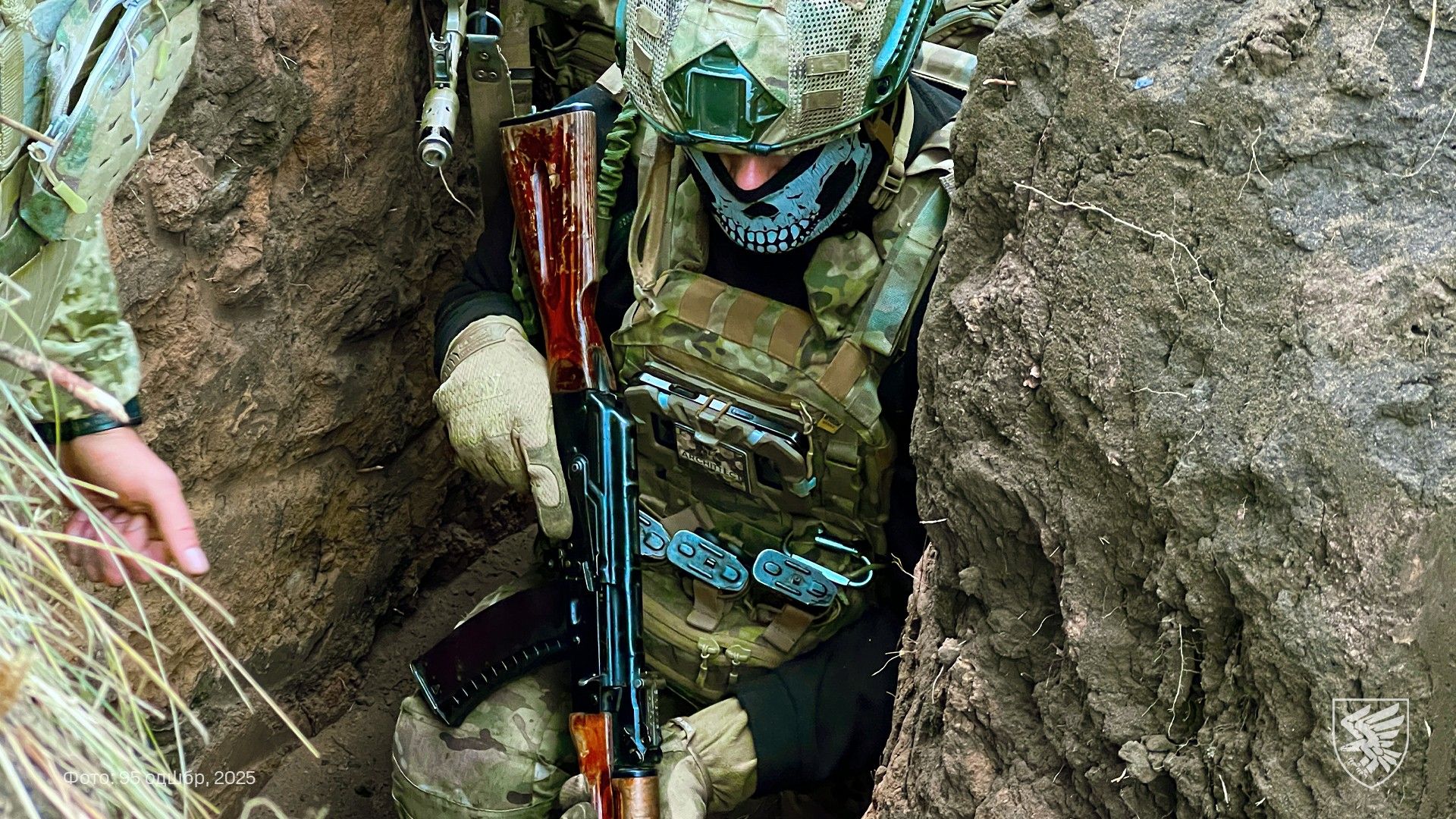
Last, but not least, the land domain. In 2025, NATO have developed capabilities mainly through NATO Army Armaments Group (NAAG). In 2025, its efforts focused on modernisation, addressing ammunition shortages, improving munitions interchangeability, and advancing autonomy and electronic warfare capabilities. It also established a dedicated subgroup to respond to the growing threat posed by small UAS.
Nothing new on the nuclear front
NATO’s approach to nuclear deterrence in 2025 represents a continuity rather than a transformation. Allies, through the Nuclear Planning Group, have prioritised strengthening nuclear planning processes, improving consultation and command-and-control mechanisms, and enhancing operational readiness.
NATO continues to rely on a combination of US forward-deployed nuclear weapons in Europe, the strategic arsenals of France, the United Kingdom and the United States, and the growing fleet of dual-capable aircraft, notably the transition to F-35A platforms. The United Kingdom’s decision to rejoin the dual-capable aircraft mission further reinforces this framework.
Strategic enablers gain recognition
Strategic enablers are increasingly recognised as central to modern operations, prompting a shift toward the sustained channelling of funds in these areas. The report highlights areas like military mobility, space capabilities, cyber capabilities, air-to-air refuelling, logistics, and ISR.
Over the years, NATO members — particularly European Allies — have made significant progress in acquiring strategic enabler capabilities. However, their development remains a long-term effort, often spanning a decade or more, making continued Europe-US cooperation with the United States essential.

The increasing strategic enabler potential is reflected in recent endeavours like NATO’s Logistics Action Plan, Commercial Space Strategy, the Steadfast Noon Exercises including air-to-air refuelling operations, the STARLIFT Project, NATO’s Integrated Cyber Defence Centre, the Alliance Future Surveillance and Control, Netherlands-Germany-Poland Military Mobility Area, and, recently announced, the Nordic Agreement for Military Mobility. Additionally, 2026 is set to focus, inter alia, on the ISR capabilities, which points towards a further focus on critical non-kinetic capabilities.
Critical supply chains dependencies
Securing critical supply chains is essential for establishing a homegrown industrial base. In its report, NATO proposes a plan forward on how to address the existing bottlenecks, with an emphasis on doing so throughout the entire supply chain — from extraction to delivery. Key proposed strategies include strategic stockpiling, recycling and substitutions.
At the same time, NATO maintains its dependence on China. China controls roughly 70% of global rare earth mining and up to 85–90% of processing capacity, effectively dominating the most critical stage of the value chain. At the European level, dependence is even more acute — approximately 98% of rare-earth magnets and around 85–98% of rare-earth elements used in the EU originate from China.
#READ[ articles: 1064167 | showThumbnails: true ]
In case of a crisis involving China, disruptions or export restrictions could directly impact defence production. Reducing reliance on China is therefore not only an economic adjustment but a prerequisite for NATO’s long-term industrial resilience.
Ukraine's at the forefront of NATO's industrial integration
NATO has significantly expanded its support for Ukraine, including through initiatives such as the Prioritised Ukraine Requirements List, the NATO Security Assistance and Training for Ukraine mission, and the establishment of a joint NATO–Ukraine civil-military structure in Poland.
The Alliance has also strengthened transatlantic defence industrial cooperation, expanded its command structure, including in the High North, and increased the scale and frequency of military exercises. These developments underline a clear direction: long-term deterrence and defence require not only higher spending, but also deeper integration, operational readiness and sustained political commitment across the Alliance.
The Arctic takes backstage?
Despite growing geopolitical attention to the Arctic, the report offers only limited references to the region, primarily in the context of enhanced air operations and communications initiatives such as NORTHLINK.
Notably, it omits key exercises such as Arctic Sentry and Cold Response, which may indicate a shift in NATO’s prioritisation toward other theatres. Whether the Arctic-focused initiatives will see deeper institutional consolidation remains uncertain, potentially hinging on outcomes of the upcoming NATO summit in Ankara.

The axis of upheaval: ambiguity or hesitation?
NATO’s policy regarding actors like China, Iran, and North Korea remains underwhelming. While acknowledgement is present, the 2025 report lacks substantiation behind it. For example, there is no mention of the so-called „shadow fleet” or increasingly prevalent below-threshold attacks, particularly on the Eastern Flank. Even the Chinese cyber-attacks are labelled as „cyber activities.”
The lack of rhetorical recognition is symptomatic of NATO’s lack of a coherent attribution, monitoring, and response mechanism, leading to largely blunt communications. The need for a balancing act is essential given the current geoeconomicstatus quo, for example, considering NATO’s continued reliance on Chinese raw materials.
Despite that, however, NATO shouldn’t veer toward appeasement. The Russian threat remains the most imminent one, but its relative power remains augmented by other actors, an issue that shouldn’t be left unaddressed.
Show must go on — with results
NATO’s 2025 report showcases NATO’s remarkable progress in terms of the acquisition of key capabilities, systems, and assets. Some gaps invariably persist, however, it is also undeniable that NATO made huge progress in terms of defence spending, especially since Russia’s full-scale invasion of Ukraine. It is not about the ability — NATO, including the European allies, has every capacity to deliver. But allies must retain that momentum, even, and perhaps especially, after Russia’s full-scale invasion is concluded, sooner or later. This is of utmost importance.
Furthermore, it becomes increasingly important that allies act with more tenacity regarding potential retaliation towards cyber-attacks and other below-threshold operations. There has to be a clear strategy towards the Russian Federation itself, as well as its enablers — China, Iran, and North Korea. And consultations, attribution, and action must become institutional, not merely incidental.

While it is vital to highlight and celebrate NATO’s recent successes in improving its defence capabilities, its internal coherence remains lacking, with 32 member states having 32 different national interests, making the navigation thereof increasingly complex.
At its core, NATO is a military alliance, yet instead of formulating policies towards a common security goal, its member states oftentimes respond to their own national interests, including the economic ones. Harnessing that incoherence, though difficult, remains crucial. Political fission impedes the speed of decision-making, which takes away something that NATO cannot afford to lose anymore — time.
Equally critical is the development of a coherent posture towards current geopolitical challenges.This includes appropriate responses to the below-threshold activities, like illegal drone incursions and growing critical infrastructure attacks, the USA-Iran conflict, and rapprochement of the relations with Russia in the post-sanction world.
The critical question is: How can NATO ensure it acts with necessary speed, internal coherence, and appropriate levels of resolve? The Alliance may soon face another trial of its ability to meet these requirements — and NATO’s upcoming summit in Ankara will likely become the litmus test to that end.
Authors: dr Aleksander Olech, Karolina Kisiel


