











- WIADOMOŚCI
Will Poland introduce a no-fly zone over its eastern regions? The government weighs its decision

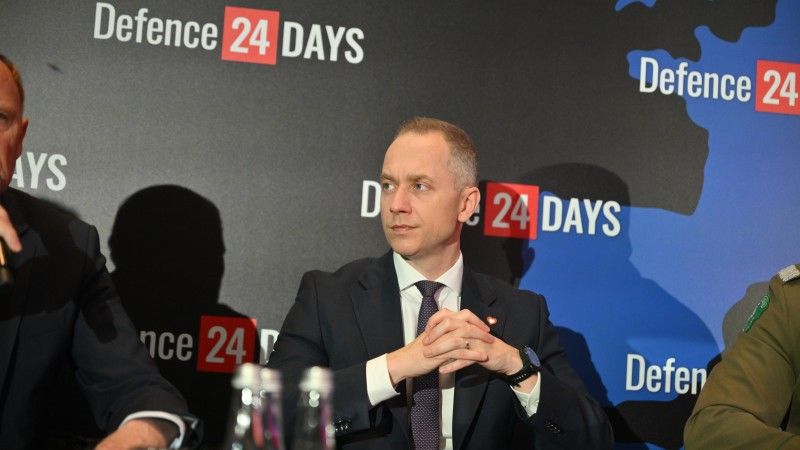
Photo. Defence24
Polish Deputy Minister of National Defence Cezary Tomczyk said there was a need to establish a no-fly zone in the east of the country, extending several or several dozen kilometres from the border. The necessary regulation is expected to come into force in late December or early January.
At a press briefing, the deputy minister confirmed the introduction of so-called positive identification — a procedure in which a pilot must weigh up a set of factors, “based on information from radar, allies, altitude and speed”, and use them to “identify the airborne object and then, if necessary, engage it”.
He noted, however, that for this to be possible in practice, a no-fly zone along Poland’s eastern border would be needed. It would be a small zone extending several or several dozen kilometres from the border, serving as an additional factor for the military. “When a Polish fighter pilot knows that an aircraft is entering Polish airspace, for example from Ukraine, is flying at a particular altitude and speed, and enters the no-fly zone, and there is radar coverage, that provides grounds for shooting it down.” Tomczyk added that the government wants the relevant regulation establishing the no-fly zone to come into force in late December or early January.
Aftermath of Friday’s incident
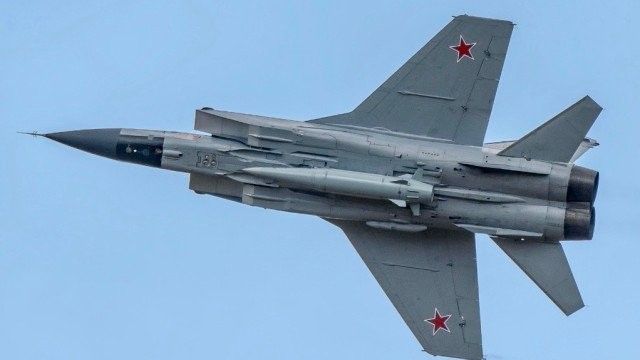
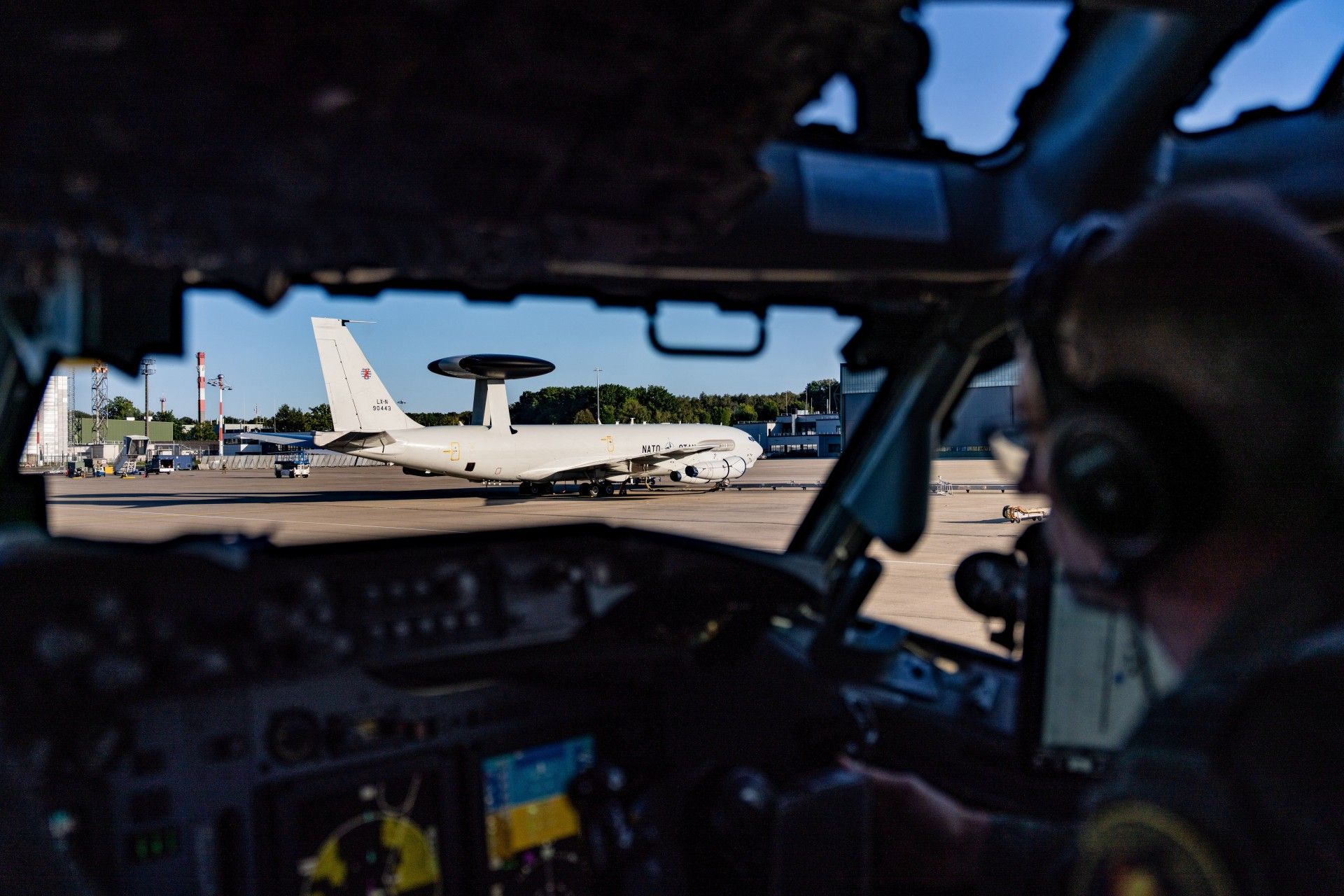
Poland’s actions are a response to the incident on Friday 20 November, when three Russian Kh-101 missiles fell on the country’s territory. Although the incident caused no casualties, it prompted a firm response from Poland. Consultations with NATO are under way. Among other things, it was decided that an AWACS aircraft would be sent to Poland.
Deputy Minister Tomczyk was also asked about NATO members’ response to the question of whether Russian missiles flying over Ukraine towards Alliance member states could be shot down. He replied: “NATO is in no way in favour of this. It would create numerous complications. If we want to take any major decisions, particularly concerning the airspace over Ukraine, the decision must always be made by all of NATO.” He added that the issue had been discussed for many months, after which it was decided that this option was not on the table.
 / Defence24.com