- WIADOMOŚCI
Change of power in Serbia. Vučić announced the defeat of his party


In Sunday’s snap parliamentary elections in Serbia, the opposition „Student List” won the most seats – admitted the leader of „Ujedinjena Srbija” (United Serbia) and former president Aleksandar Vučić. The election turnout was the highest since the breakup of Yugoslavia.
Vučić, who served as Prime Minister from 2014–2017 and held the office of President from 2017 until his resignation on 27 September 2026, announced at the election headquarters in Belgrade that he does not yet have full results, but based on a stratified sample, it is clear that his list has lost.
„We do not have the full results yet; many will be surprised, and you will understand how much some people lied. Based on the sample, it is clear that we have lost these elections,” he said. He added that the „Student List” would secure between 135 and 140 seats in the 250-member parliament, while his formation could expect around 105.
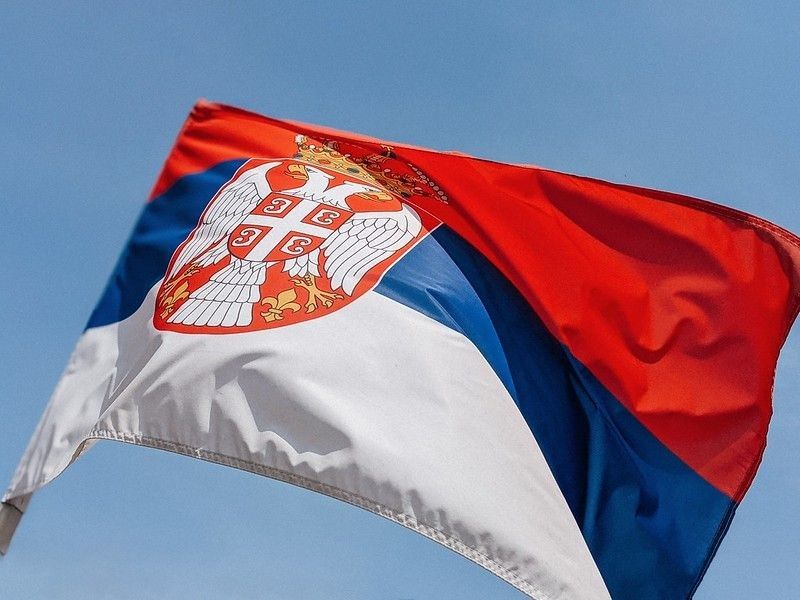
According to preliminary projections from independent election monitoring organisations, the „Student List” won approximately 51–53 per cent of the vote (estimated at over 2.1–2.2 million), which would grant it around 138–140 seats, while the „Aleksandar Vučić – Ujedinjena Srbija” (United Serbia) list secured about 39–40 per cent (approx. 1.7 million votes) and 103–105 seats. Turnout was record-breaking – nearly 65–70 per cent, the highest since the breakup of Yugoslavia in 1992. Smaller national minority lists are also likely to enter parliament.
The snap parliamentary elections, held on 25 October, were brought about by nearly two years of mass protests. Their spark was the tragedy at the railway station in Novi Sad on 1 November 2024 – the collapse of part of a concrete canopy killed 16 people. Protesters, primarily students, accused the authorities of corruption, negligence, and a failure to hold those responsible to account. The student movement organised university blockades, marches, and demonstrations across the country, demanding accountability and early elections. In the elections, they fielded a list of 250 candidates – mainly representatives of various professions, selected by the student plenum, with no students themselves on the list.
 / Defence24.com