












- WIADOMOŚCI
Europe responds to the crisis in Ceuta. Italy takes drastic measures

The Spanish enclave of Ceuta is struggling with a mass influx of migrants, which is most likely being orchestrated and controlled by Morocco. The incident has met with a resolute reaction from some EU politicians.
According to information provided by the President of Ceuta, Juan Jesús Vivas, approximately 60,000 migrants crossed the border into Spanish Ceuta, while the population of the entire city is about 90,000. “The situation is unsustainable. (…) Actions were taken too late and they were insufficient,” said the president, as quoted by the Cadena SER radio portal.
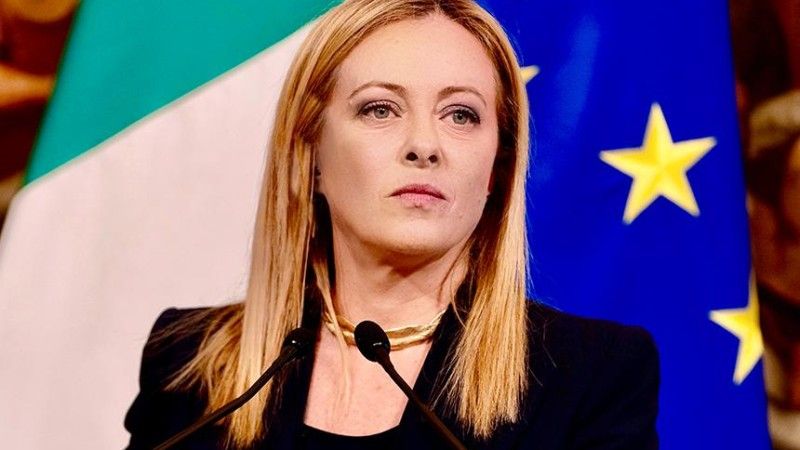
As the crisis intensified, the authorities of EU member states reacted. On Friday, 31 August, Italian Prime Minister Giorgia Meloni posted on X, threatening to take firm steps against Spain. “We are convening the relevant bodies, and following these meetings, we are prepared to intervene with extraordinary measures to defend the borders and the safety of citizens, including the suspension of the Schengen Area with Spain.” Later that day, Italy did suspend Schengen free movement with Spain.
Finnish Interior Minister Mari Rantanen criticised Spain for failing to protect its own borders. “This cannot go on forever; those EU countries that do not fulfil their obligation to protect their external borders cannot be members of the Schengen Area.” She also supported Italy’s decision to suspend the Schengen agreement in relations with Spain. Danish Prime Minister Mette Frederiksen and Czech Prime Minister Andrej Babiš also expressed their support. France decided to strengthen the border control with Spain.
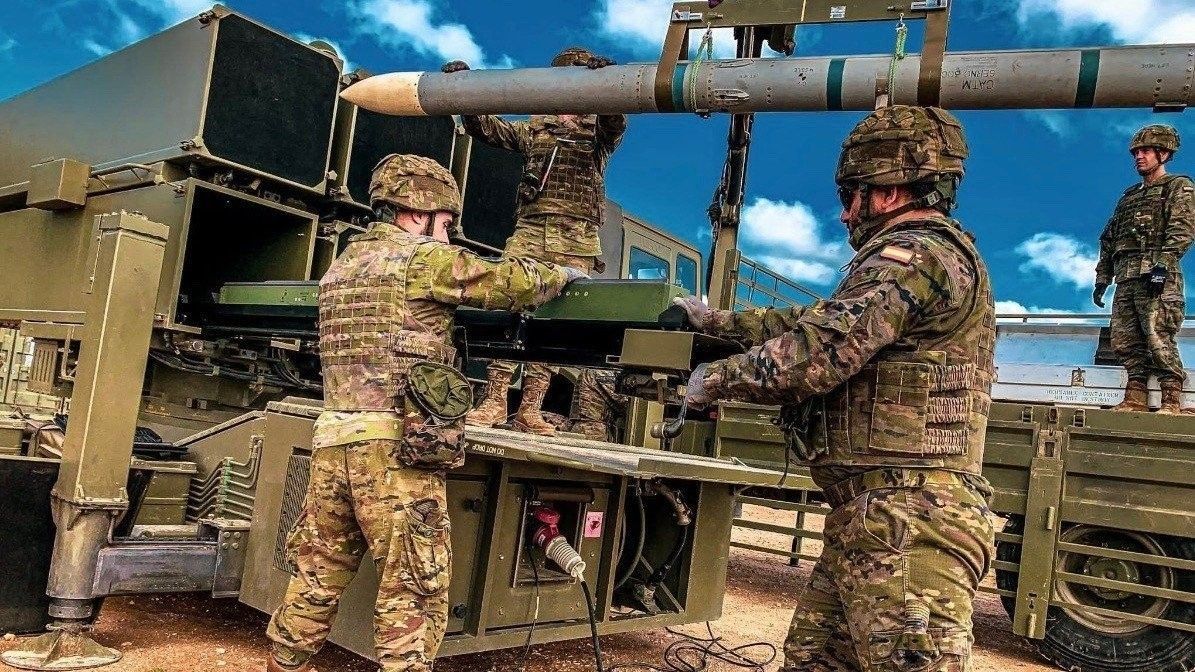
Spanish authorities declare that the repatriation of migrants is underway. By Friday evening (31 August), the vast majority of people who had entered Ceuta were reported to have already returned to Morocco. In this crisis, it is impossible not to notice certain parallels to the crisis on the Polish-Belarusian border, where the authorities in Minsk controlled the influx of migrants to the eastern borders of Poland, Lithuania, and Latvia. Once the current crisis in Ceuta has been averted, the Spanish and Polish sides should consult on the issue of border defence against such threats.


