- WIADOMOŚCI
Ukrainian drones struck Russian oil refineries. Fires in Krasnodar Krai
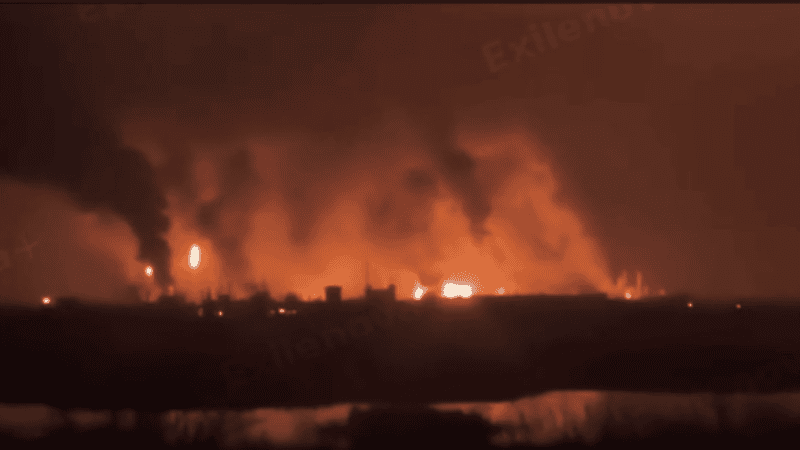
Fires broke out at two industrial facilities in Russia’s Krasnodar Krai following a Ukrainian drone attack overnight, local authorities said on Wednesday, according to Reuters. Ukrainian media reported that the targets were the Ilskiy and Afipsky oil refineries, among the largest facilities of their kind in the region.
The attack took place overnight from 17 to 18 November. Russian media reported that the first explosions were recorded at around 4.40am local time. The authorities in Krasnodar Krai reported fires at two industrial facilities but did not name them.
See also 

According to the Ukrainian news outlet Ukrainska Pravda, citing Russian media and local news channels, the Ilskiy and Afipsky refineries may have been attacked. Both facilities are in Seversky District, Krasnodar Krai. There has been no independent confirmation of the extent of the damage or information on whether production has been suspended.
The Ilskiy refinery can process around 6.6 million tonnes of crude oil a year, while the Afipsky facility has a capacity of around 6.25 million tonnes. Both companies produce, among other things, diesel fuel and petrol components. They are an important part of southern Russia’s fuel infrastructure, which also supports supplies to the Russian armed forces.
This was not the first Ukrainian attack on these facilities. The Afipsky refinery was among the targets of a drone attack on 6 November, when Russian authorities confirmed a fire at an industrial facility. On 16 November, Ukraine’s General Staff reported a strike on equipment at the Ilskiy refinery, including units used to process crude oil and produce petrol.
Attacks on refineries and Russian logistics
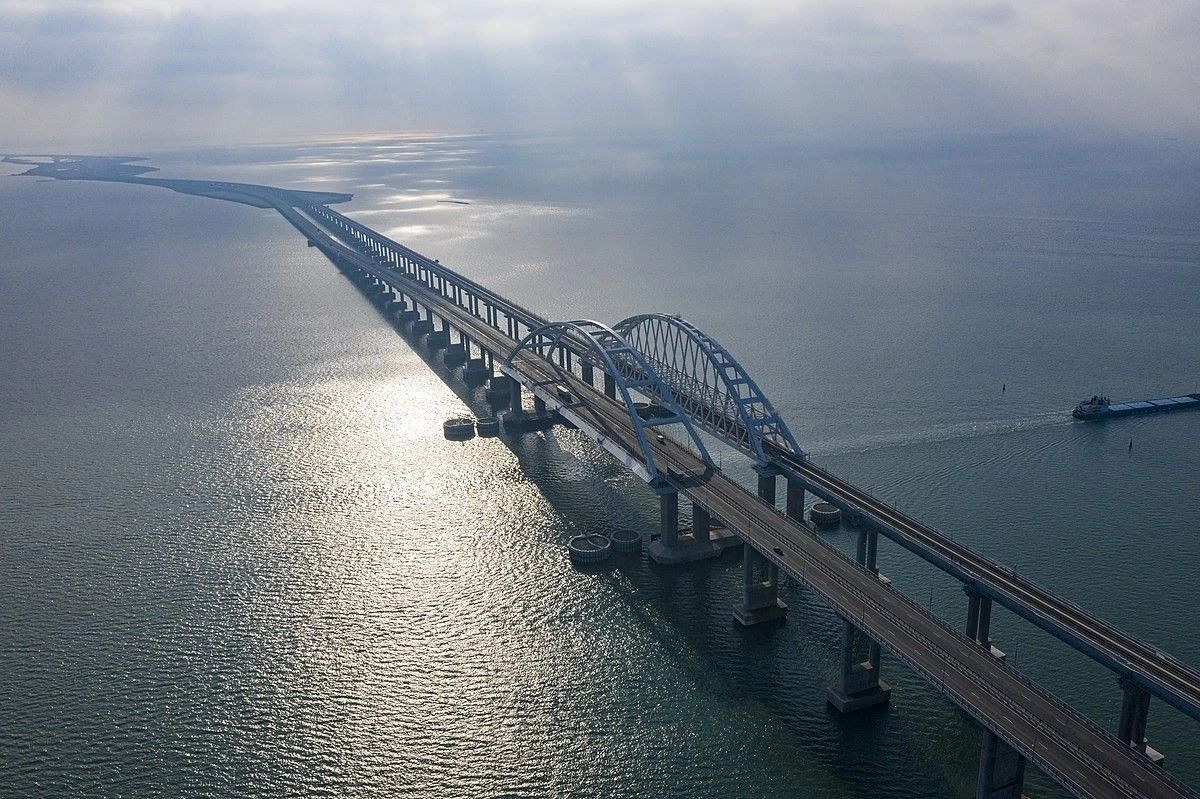
The latest raid came a day after the Crimean Bridge, which connects Russia to the occupied peninsula, was seriously damaged. Ukrainian strikes on 16 and 17 November caused an arch of the structure and part of the road span to collapse. The railway section of the crossing was also damaged. Russian authorities suspended road and rail traffic, then began assessing the damage and working to restore the link.
Attacks on refineries are another element of Ukraine’s campaign against Russian fuel infrastructure. The aim is to restrict fuel supplies to the military and reduce revenue from the production and export of petroleum products, which help fund Russia’s aggression.
On 15 November, Ukrainian President Volodymyr Zelenskyy said that Ukraine’s long-range strikes had taken more than 55 per cent of Russia’s refining capacity offline. These figures have not been independently verified. According to information Reuters obtained from oil industry representatives, the latest wave of attacks reduced the available capacity of Russian refineries by around 30 per cent.
The effects of the raids go beyond direct damage to facilities. Repeated attacks force shutdowns and repairs and require additional air-defence resources. They also make it harder to maintain stable fuel production.
/ Defence24.com