












- WIADOMOŚCI
German Minister of Foreign Affairs met with Sergey Lavrov. Russia is not ready for a ceasefire
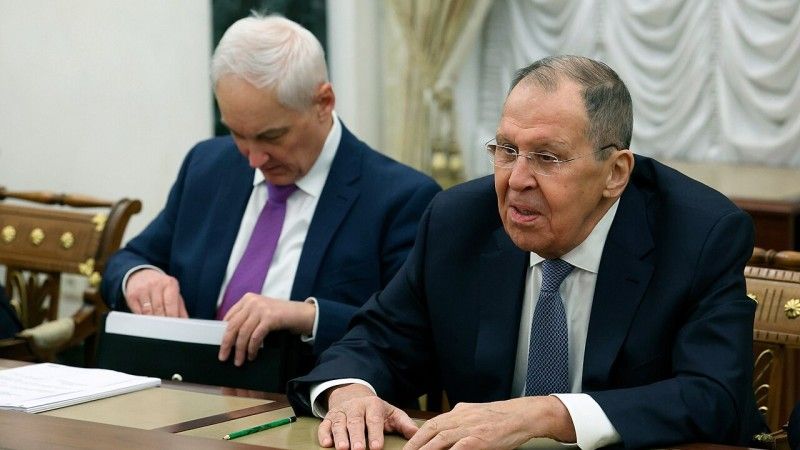
German Foreign Minister Johann Wadephul stated that his recent conversation with Sergey Lavrov made him realise that Russia is not ready for a truce. In response to Russian policy, the European Commission is reportedly working to ensure that frozen Russian assets support Ukraine.
During the second day of the „Warsaw Security Forum 2026”, a debate was held between the foreign ministers of Poland, Norway, Germany, and the United Kingdom. Radosław Sikorski opened the discussion by stating that the side that is in the right must possess the strength to defend it. He noted that the key task for the immediate future is supporting Ukraine through the winter. He also addressed recent comments by US President Donald Trump, who stated that „the time has come for Ukraine to have a new president”, accusing the authorities in Kyiv of prolonging what he perceives as a war with Russia. According to the Polish Foreign Minister, President Karol Nawrocki should convince the American President that Putin is the aggressor and Zelenskyy is the victim of this war.
Sikorski also referred to shifts that may have occurred in the perception of parts of the Russian leadership. According to the head of the Polish Ministry of Foreign Affairs (MFA), during the recent UN General Assembly, Russian Foreign Minister Sergey Lavrov realised that Europe will continue to finance and support Ukraine regardless of the decisions of others (including the US).

What about the frozen Russian assets?
The discussion also covered the issue of further support for Ukraine. Minister Sikorski highlighted the success of the recent lifting of the Hungarian veto, which had been blocking additional EU support for Kyiv and its contributing countries (the European Peace Facility and the Ukraine Assistance Fund).
During Tuesday’s debate, the subject of frozen Russian assets was also touched upon. Radosław Sikorski said he understands Belgium’s concerns regarding potential lawsuits from Russia and the burden of bearing sole responsibility (likely lawsuits would be directed at the Belgian clearing house Euroclear, where Moscow holds the vast majority of its frozen assets). According to Minister Sikorski’s assurances, the European Commission is expected to develop a legal instrument in the near future that will allow for the distribution of risk.
Crucial remarks were also made by the German Foreign Minister during the conversation. Johann Wadephul referred to his recent, high-profile meeting with the head of Russian diplomacy, Sergey Lavrov. As he noted, the conversation clearly demonstrated that Russia is not currently ready for a ceasefire, which only confirms the necessity of continued support for Ukraine.

Objective: Helping to survive the winter
In concluding the discussion, the participating ministers outlined the strategy the West should adopt for the coming months. David Miliband identified the key pillars of assistance for Kyiv: „winter support” (including the protection and reconstruction of the energy sector) and further „tightening the sanctions screw”. Meanwhile, Norwegian Minister Espen Barth Eide emphasised the need to constantly highlight Putin’s barbarism and demonstrate that Russia will not win this war. The West’s main objective should be to create a situation where the Kremlin views the prolongation of the conflict as a direct threat to its own power.
For his part, Minister Sikorski appealed for an end to the panic regarding Russia. In his view, if European nations implement the agreements reached in The Hague and Ankara, they will build a defence capability by the end of the decade that Putin will not dare to challenge.


