












- WIADOMOŚCI
Hezbollah like a phoenix from the ashes

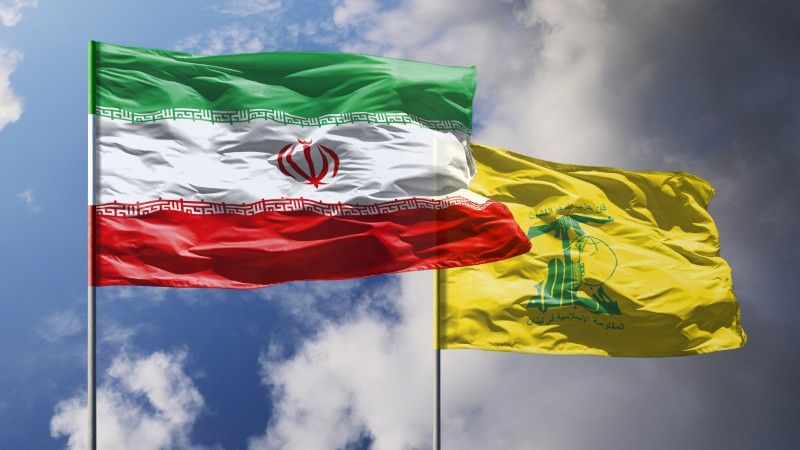
Israel was confident it had defeated Hezbollah and set back its development by decades. However, the organisation adapted and effectively rebuilt its capabilities within just over a year.
Following Hamas’s attack on Israel on October 7, 2023, Hezbollah began launching attacks on Israel from southern Lebanon. After nearly a year of cross-border exchanges of fire, Israel decided to launch an offensive in southern Lebanon. The Israeli strikes killed Hezbollah leader Hassan Nasrallah along with nearly the entire top command.
One of the most publicised operations was the sabotage of pagers—the devices used by Hezbollah members for communication. According to former Israeli intelligence agents, Israel had manufactured pagers with built-in explosive charges. These were later purchased by Hezbollah, which was unaware of the devices’ true origin. Members of the organisation used them for up to ten years until Israel remotely detonated them.

Hezbollah’s leadership drew lessons from its war with Israel. Before 2024, the organisation’s military wing operated as a centralised army. After suffering losses in the war, it decided to disperse its units. These now operate based on general directives, without waiting for orders from headquarters. Due to the vulnerability of electronic devices to sabotage, Hezbollah also changed its communication methods, reverting to simple means—couriers and handwritten notes.
Tehran undoubtedly assisted in rebuilding the organisation’s capabilities. According to Reuters, following the ceasefire with Israel in November 2024, around 100 officers from the Islamic Revolutionary Guard Corps (IRGC) arrived in Lebanon. Their mission was to audit Hezbollah’s structures and assume oversight of the organisation’s military branch.

After the ceasefire, Hezbollah successfully reorganised and developed plans for coordinated rocket attacks from Iranian and Lebanese territory, which it carried out following the U.S. and Israeli strikes on Iran.
Under the agreement with Israel, the Lebanese government was obligated to disarm Hezbollah and take control of the country’s south. However, due to the weakness of its institutions, it was unable to fully meet either of these commitments. Moreover, Hezbollah maintains a political wing and has effectively infiltrated state authorities.

As it turns out, Israel’s invasion of Lebanon did not lead to Hezbollah’s destruction. The changes in the organisation’s structure and operational methods have made it more difficult to combat. At present, defeating Hezbollah would require a large-scale ground operation—one that Israel may be reluctant to undertake. Yet the enemy seems determined to leave it no choice.


