












- WYWIADY
- POLECANE
- WIADOMOŚCI
Middle East on the brink? The risk of regional war

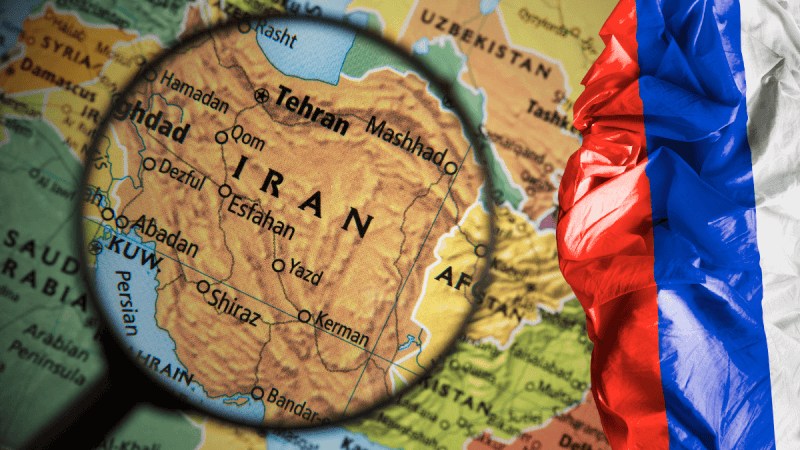
Rising tensions between Iran, Israel, and the United States are reshaping the Middle East’s security landscape. To untangle these complex dynamics, Dr. Aleksander Olech speaks with Tural Akhundov, Research Fellow at CRESCENT Research Center, about key drivers of instability, escalation risks, and the evolving regional order.
Dr. Aleksander Olech (AO): The Middle East remains one of the most volatile regions in the international system. From your perspective, what are currently the main security challenges shaping the regional order?
Tural Akhundov (TA): The Middle East has long been a fragmented security environment shaped by overlapping conflicts and strategic rivalries. In my view, three key dynamics currently define the region’s security landscape.
First, the ongoing confrontation between Israel and Iran, along with its regional network of partners, continues to drive instability.
Second, the strategic rivalry between Shia Iran and major Sunni Arab states, particularly Saudi Arabia and the United Arab Emirates, remains a critical factor shaping regional security calculations. While diplomatic normalization efforts had previously reduced tensions, the ongoing war involving Iran and regular strikes on the territories of several Arab states have strained these relations.

Third, broader geopolitical competition among global powers is becoming increasingly visible. The United States remains the primary security actor for many regional states; however, its partners are simultaneously expanding cooperation with China and Russia in areas such as energy, infrastructure, and arms procurement. This reflects both uncertainty about long-term U.S. engagement and a desire among regional actors to maximize strategic autonomy.
Finally, rapid technological modernization is reshaping the military balance. The proliferation of long-range missiles and low-cost, mass-produced drones is lowering the threshold for asymmetric attacks while increasing the risks associated with deterrence failure.
Taken together, these factors create a security environment defined less by traditional interstate war and more by persistent, multi-domain competition involving proxy actors, hybrid tactics, and technological innovation.
AO: Iran plays a central role in many regional dynamics. How do you assess Tehran’s current strategy and its influence across the Middle East?
TA: From an analytical perspective, Iran’s strategy can be understood as a combination of asymmetric deterrence, proxy influence, and strategic patience. Despite economic pressure and periodic military setbacks, Tehran remains one of the most influential actors shaping the regional security environment.
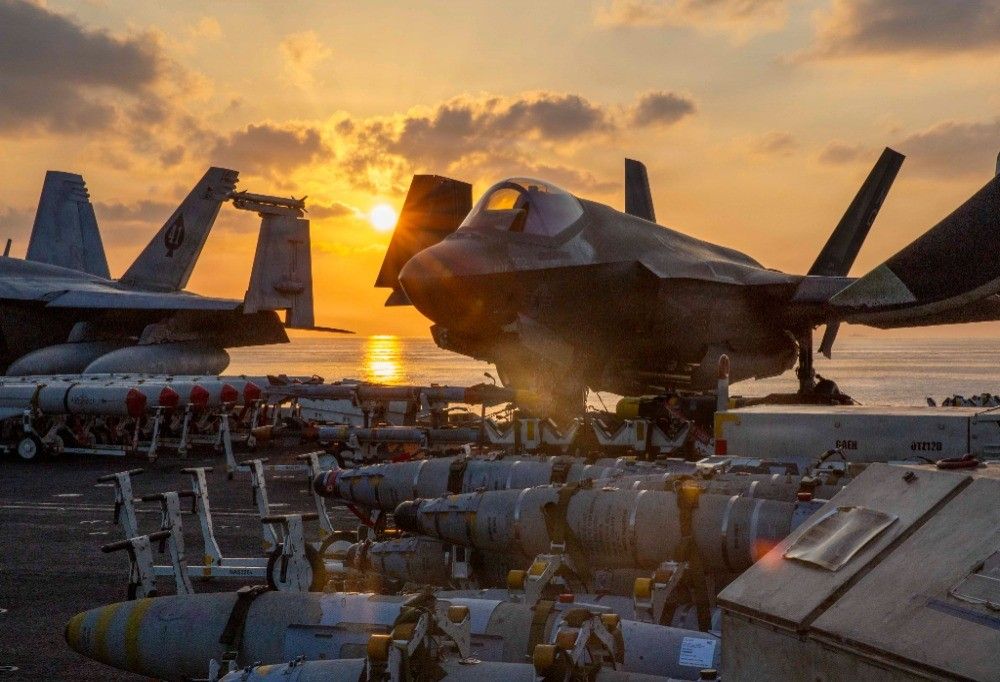
Iran relies heavily on asymmetric capabilities. Recognizing its inability to match the conventional military power of actors such as Israel or the United States, Tehran invests in ballistic missiles, drones, cyber capabilities, and maritime disruption tools designed to increase the cost of any military action against it.
Recent developments, including drone strikes and attacks on radar and missile-defense infrastructure used by U.S. and allied forces, illustrate this approach.
In essence, Iran’s strategy is less about achieving outright dominance and more about building a resilient deterrence architecture that complicates adversaries« calculations and ensures that any confrontation risks escalation across multiple fronts.
AO: Tensions between Iran and several regional actors have intensified in recent years. Do you see a real risk of broader military escalation in the region?
TA: Yes, the risk of broader escalation is real, though it should be understood in relative terms. The Middle East is currently experiencing one of its most dangerous periods in recent years, particularly due to the growing confrontation between Iran, Israel, and the United States.

Recent strikes and retaliatory actions have already moved the region beyond the traditional „shadow war” into a more direct form of military confrontation.
The multiplicity of active fronts significantly increases the probability of escalation. Tensions now span multiple arenas simultaneously, including Israel’s northern border, interactions with Turkiye, several Arab states, and maritime routes such as the Strait of Hormuz. Even limited incidents, such as attacks on shipping or strikes on military bases, can trigger wider cycles of retaliation.
AO: Azerbaijan and the South Caucasus occupy a strategic position between Europe, Russia, and the Middle East. How do developments in the Middle East influence the security dynamics of the South Caucasus?
TA: Developments in the Middle East inevitably affect the South Caucasus due to its position at the intersection of key geopolitical and energy corridors.
Energy security and transport routes are the primary link between the two regions. Instability in the Persian Gulf increases the importance of alternative energy corridors passing through the South Caucasus. In this context, Azerbaijan plays a crucial role as a supplier of oil and gas to Europe, particularly through the Southern Gas Corridor.
While the Middle East does not directly determine the security dynamics of the South Caucasus, it acts as a significant external factor shaping regional strategic calculations, especially for countries positioned along these corridors.

AO: The role of external actors such as the United States, Russia, and European countries remains significant. How do you see the balance of influence evolving?
TA: The regional balance of influence is gradually shifting from a system dominated by a single power to a more multipolar and competitive environment.
The United States remains the central military and security actor, particularly through its network of bases, deployments, and alliances. However, Washington has increasingly encouraged regional partners to take greater responsibility for their own security.
Russia’s role, on the other hand, is constrained by its strategic commitments elsewhere, particularly in Ukraine.
European actors, including France, Italy, and Germany, tend to focus on diplomacy, stabilization missions, and energy cooperation rather than large-scale military engagement. Their influence is therefore strongest in economic and political domains.
At the same time, China’s growing presence, especially in energy and infrastructure, adds another layer to the evolving regional balance.
AO: Looking ahead, what are the key trends that will shape the Middle East over the next five to ten years?
TA: The outcome of the U.S.–Israel confrontation with Iran is likely to be a defining factor for the region’s future.
See also 

If Iran is significantly weakened, this would shift the balance of power in favor of U.S. partners such as Saudi Arabia and the UAE. However, it would not necessarily bring stability, as Iran’s regional partners could continue operating independently.
A scenario involving internal fragmentation within Iran could prove even more destabilizing, potentially triggering ethnic conflicts involving Kurdish and Azerbaijani populations and drawing in regional actors such as Turkey and Azerbaijan.
Conversely, if Iran withstands the pressure, it could emerge politically strengthened, enhancing its regional standing and accelerating its military capabilities.
Additionally, maritime and energy security will remain critical. Disruptions in the Strait of Hormuz, through which around 20% of global oil flows, highlight the vulnerability of global energy markets and the growing importance of securing key transport routes.


