












- KOMENTARZ
- OPINIA
- WIADOMOŚCI
New chapter in the U.S.–Poland defense partnership

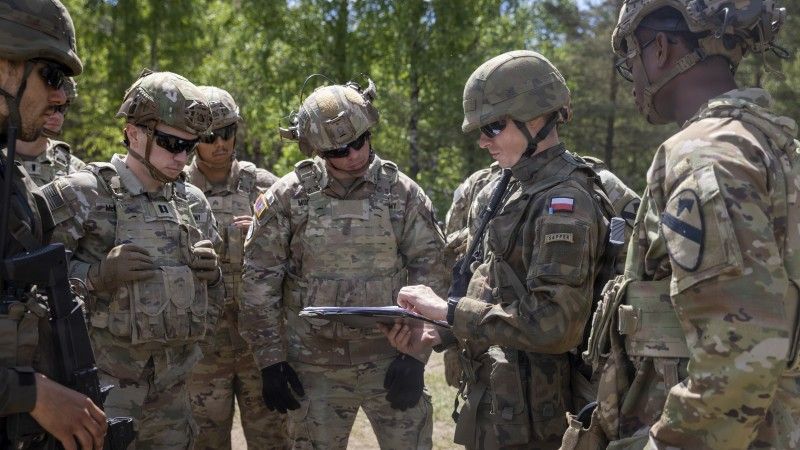
Photo. U.S. Army Reserve, Sgt. Ronald D. Bell
This year, the United States celebrated its 250th anniversary. Some of those events also reached Poland, where American soldiers are stationed. Moreover, there is a real possibility of further shifts in the nature of the U.S. Army’s presence in our country. All the more reason, then, to emphasize that the military relationship between the two nations is the product of an enormous amount of work by soldiers, diplomats, and politicians — work that did not begin today.
A debate is currently underway in Poland about the scale of possible U.S. armed forces engagement on NATO’s eastern flank in the event of a potential reduction in American military presence in Europe. In this context, the prospect of additional infrastructure and — above all — what amounts to new ground forces (U.S. Army) takes on particular significance. This debate has three dimensions.

Photo. U.S. Army Sgt. Devin Klecan, public domain
The first is the political dimension, relating to bilateral relations between state authorities at the highest levels. The second is the military dimension, connected to the threat posed by Russia and the importance of deterrence and defense in the context of NATO plans. The third concerns Poland’s status as a Host Nation for American forces. Public attention most often focuses on the first of these — especially since emotions are running high over the aforementioned American announcements regarding changes to the nature of its presence within NATO’s European area of responsibility and, more broadly, within NATO’s architecture. To put it plainly, the United States is seeking to reduce its military footprint in Europe in those areas where European nations themselves can and should rebuild or develop their own capabilities, drawing on their own human, financial, and technological resources. Yet discussions about strategic aspects frequently overshadow the significance of the purely military dimensions of the Polish-American relationship mentioned above.
See also 
Great work has been done
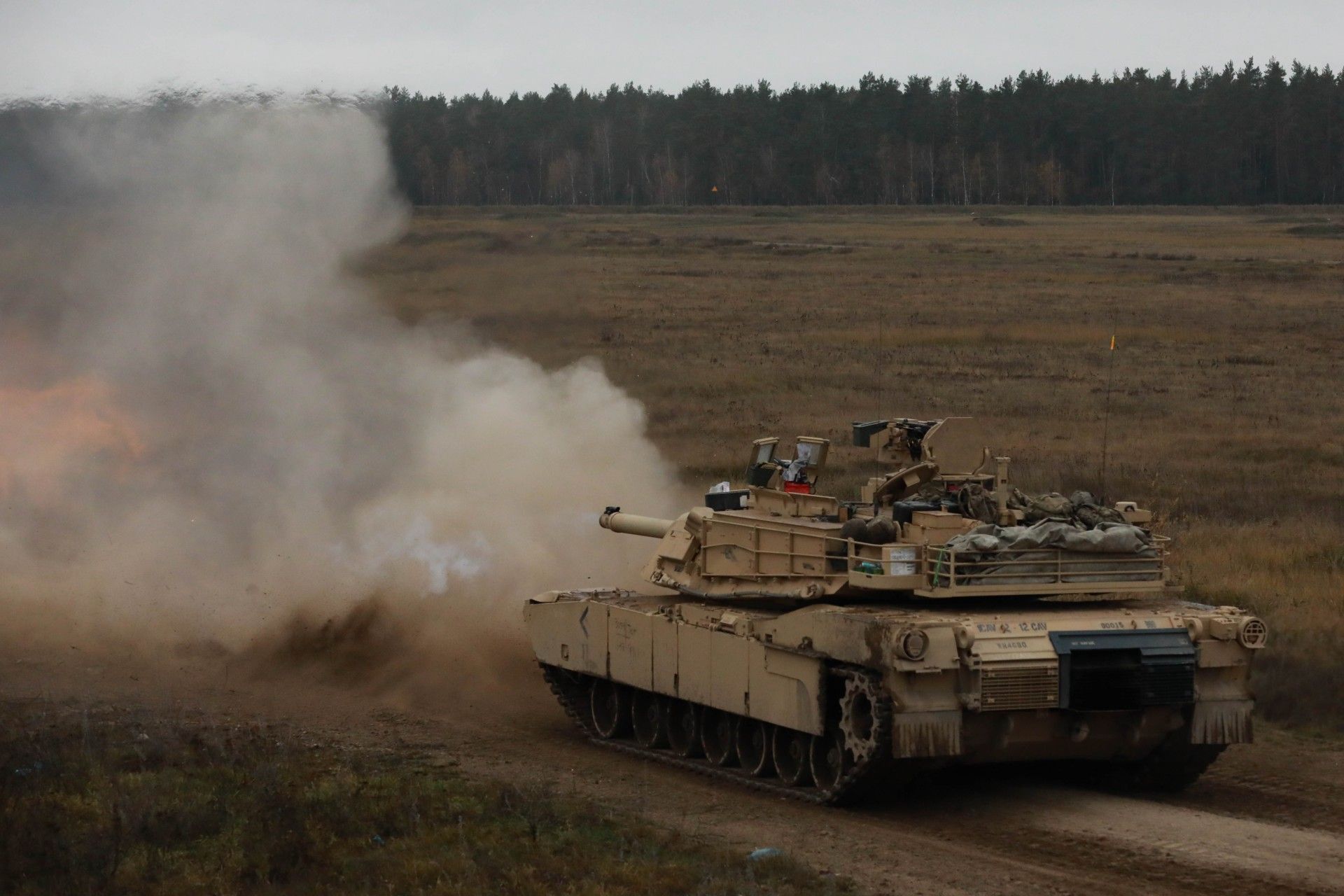
In the military dimension, the relationship between the two allies is at an entirely different level than it was before Russia’s first aggression against Ukraine in 2014. This refers not only to the scale of the U.S. military presence (primarily the ground component — the Army — at times reaching approximately 10,000 soldiers, though not exclusively), but also to the experience accumulated by American commanders and their subordinates since their arrival in Poland. First came ad hoc operations, then missions within NATO’s Enhanced Forward Presence structures (the Battlegroup in Poland is commanded and coordinated by Americans), and finally the current system of continuous rotations. In recent years, the armed forces of both nations have conducted intensive training activities through numerous exercises and maneuvers — consider alone the scale of events such as Defender Europe, and now Sword — often of an unprecedented scale on the eastern flank.
This is a transformation that could not have been seen in the early years of our Alliance membership. Not even the years-long missions in Afghanistan and Iraq — characterized as they were by the specific conditions of asymmetric operations against non-state adversaries — delivered to Poland and the United States the same depth of interoperability that we see today. Currently, Polish and American soldiers train across multiple domains, focusing above all on force integration for Large Scale Combat Operations (LSCO) in a Multi-Domain Operations (MDO) environment.

Photo. J. Raubo
Furthermore, many commanders have had the opportunity to work together at various levels of command. Numerous seminars and strategic studies are also being conducted, enabling a deeper understanding of the specific characteristics of our theater of operations. From a military perspective, we are no longer talking about reactive measures in response to a crisis or war, but about a systemic approach by both allies — and about embedding these relations within a broader doctrinal and planning framework and, most importantly, within the overarching NATO context. This last point is critically important because the United States has no intention of abandoning NATO — only of revising certain post-Cold War arrangements within the structure. One thing is certain: the years of military cooperation have yielded an enormous wealth of data and information that has allowed both sides to truly understand one another, achieve genuine interoperability, and develop the know-how for potential reinforcement in the event of a threat.
See also

While U.S. ground forces are the most visible element, one must not overlook the fact that the air components (Air Force) of both nations have been intensively cooperating for years. Poland is also home to Naval Support Facility Redzikowo (NSFR), operating as part of the Aegis Ashore Missile Defense system — a direct contribution from the U.S. Navy.
Much has also been written in recent years about Special Operations Forces (SOF) cooperation — to put it vividly, the entire community of operators could speak at length about the interoperability forged through their service (as evidenced, for example, by the recent exercise Trojan Footprint 2026). It is time to move away from the notion that the current discussion about strengthening U.S. military presence in Poland should be framed as a revolution. On the contrary — it is precisely through evolution that military professionals from both nations have taken numerous steps in recent years, more or less visible, that were necessary to achieve effectiveness on the modern battlefield. Moreover, both nations are learning a great deal from each other, as the Polish side today has enormous expertise and a unique understanding of regional specifics to offer.

Photo. U.S. Army National Guard Sgt. Glenn Brennan
Equipment cooperation drives interoperability
Both nations are today also linked by a range of equipment-related matters. Poland has based a significant portion of its broad-ranging military modernization program on American weapons systems. The acquisitions of F-16 and F-35 fighters, Patriot air defense systems with IBCS, Abrams tanks, AH-64 Apache attack helicopters, and HIMARS rocket artillery are not merely technology transfers. Behind each of these contracts lies a new doctrinal challenge and the need to integrate these platforms into national and allied command-and-control structures (C2). This drives wide-ranging cooperation within frameworks such as the European HIMARS Initiative (EHI) and the Polish Apache Initiative, which bring together military personnel, civilian experts, and the defense industries of both nations. All of these factors translate into a long-term dimension of cooperation that de facto integrates strategically vital military-industrial domains for both sides for decades — not merely for a particular political moment.

It should be emphasized that the United States had already made a qualitative leap earlier by pre-positioning materiel and equipment stocks at APS-2 (Powidz) in the Greater Poland (Wielkopolska) region, to say nothing of the aforementioned facility at Redzikowo. It is worth noting here that not without reason was the decision by Washington to reactivate the V Corps of the U.S. Army and establish its forward headquarters in Poznań so important — and perhaps still underappreciated. That decision delivered a critical contribution to the modern command and control (C2) system, and indeed to the entire C5ISTAR complex in our region.
We have addressed this issue and its significance at the intersection of tactical and operational matters on multiple occasions at Defence24.pl, noting also its strategic dimension. Today, the quality of this cooperation is clearly visible at every level — from corps level, through the divisions providing successive rotations to Poland, down to individual brigades. We have built a capital of mutual knowledge that did not exist when Poland joined NATO. Of course, one can point to earlier cooperation under the Partnership for Peace (PfP) framework or in missions in the Balkans, in Iraq, and in Afghanistan — but what has taken place in recent years represents an entirely new quality, both quantitatively and qualitatively.

The quiet hero of military cooperation
Operating in the background of these processes is an American „quiet hero” that remains nearly invisible in Polish public discourse — or is occasionally confused with V Corps itself. This is U.S. Army Garrison Poland (USAG-P) — a structure of critical importance to the day-to-day functioning and military cooperation, even though its permanent staffing is relatively modest compared to the thousands of combat soldiers rotating through the country. Officially, USAG-P — comprising soldiers, contractors, and civilian employees — is responsible for full logistical and infrastructure support for U.S. forces stationed in Poland. Its headquarters is located at Camp Kościuszko in Poznań, and it is precisely thanks to this organization that V Corps is able to operate efficiently in the region. USAG-P is responsible for managing 11 military installations, led by three main hubs: Poznań, Powidz, and Świętoszów. Without the work of this garrison, providing high-quality welfare and technical support for the bases would be impossible — and it is precisely that support which conditions the combat readiness of both permanent and rotational forces. One must also not forget that USAG-P plays a key role in the surrounding military relations, including building ties with local communities. A prime example of such activity is the joint organization of American Independence Day celebrations (July 4th), which allows the Americans stationed here to maintain their own traditions while helping Poles better understand the nature of the allied presence. This year, the event was ceremonially inaugurated in Poznań, though similar initiatives have been successfully carried out in Powidz and elsewhere for years.
In summary, the 250th anniversary of the United States, the debate about a new format for the U.S. Army’s stationing in Poland, and the broader discussion about the future of transatlantic relations should prompt reflection on the fact that bilateral partnership is a process that unfolds over years. Already — thanks above all to the titanic work of military professionals on both sides — we are witnessing progress that we could only have dreamed of when Poland joined NATO in 1999. It became a reality only in recent years, and the coming months may bring further milestones, including a strengthened permanent military presence (bearing in mind that the foundations for this process already exist in Camp Kościuszko, APS-2 stocks, and the NSF facility at Redzikowo).
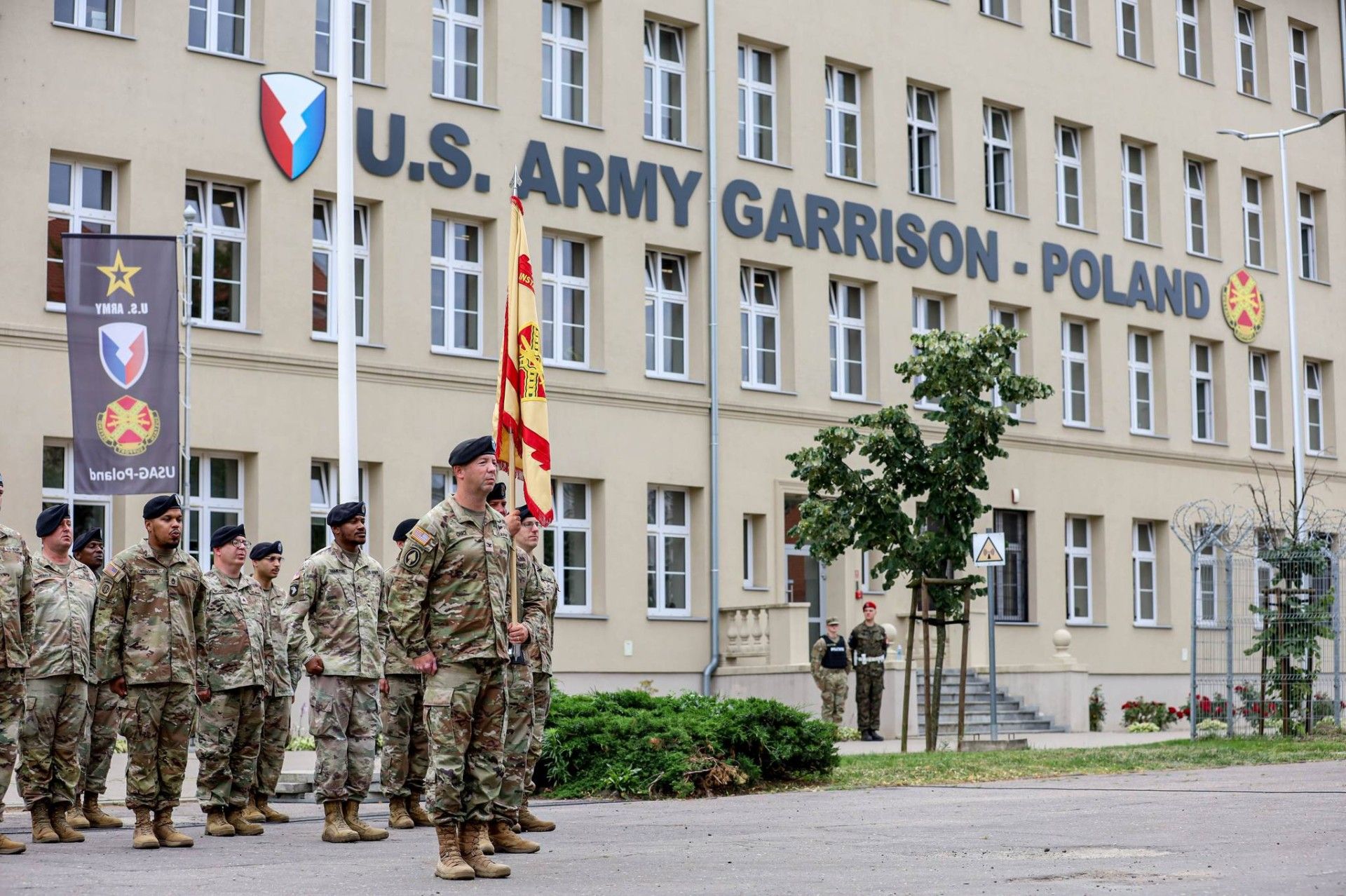
Photo. US Army Garrison - Poland, oficjalne konto Facebook
Challenges ahead
It is worth identifying several challenges facing Poland in this context. The first is understanding the role and weight of the U.S. Congress in defense-related decision-making processes. To put it plainly, deepening political-military relations requires sustained and active dialogue with American legislators on Capitol Hill. Another challenge is correctly reading Washington’s new approach to alliance commitments — which should come as no surprise to anyone. The Americans place emphasis on supplementing their partners« capabilities, not substituting for them. The United States has no intention of leaving Europe, but is pursuing a fairer distribution of burdens (burden sharing) for deterrence and defense. American military presence in Poland is therefore a component supporting our own capabilities and must not be evaluated through the lens of outdated, Cold War-era analytical frameworks. A mature public debate also requires understanding the synergy between V Corps« presence, the APS-2 facility at Powidz, and the USAG-P structures — as they constitute a coherent mechanism for rapid reception of reinforcements in the event of a crisis or war.
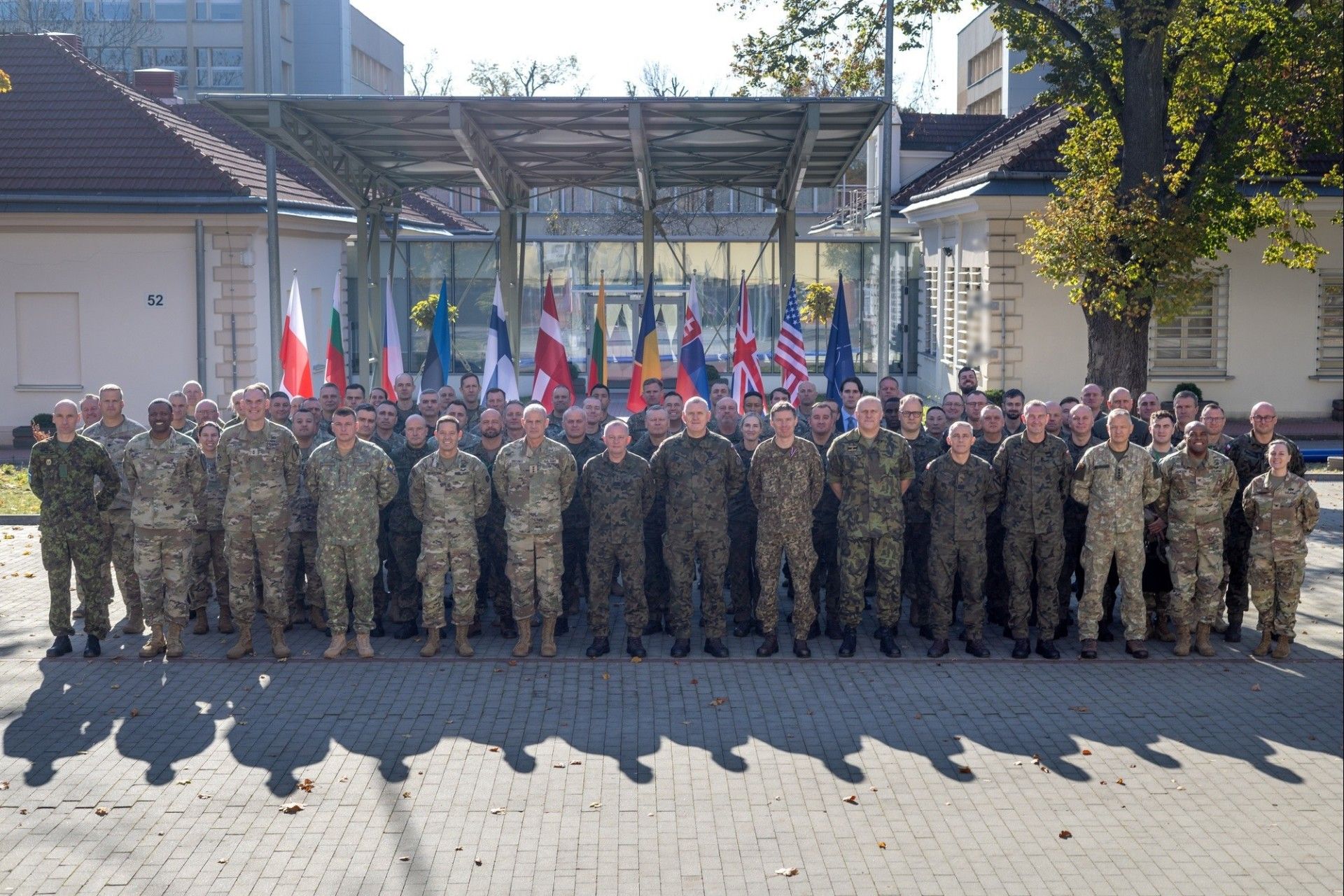
We also face enormous work ahead in our role as a Host Nation. It is easy to speak of „repositioning American brigades” or „grand geopolitics,” but such talk must be accompanied by an understanding of a range of very practical realities. We must take into account financial and infrastructure considerations, as well as challenges in security and counterintelligence (every new base automatically becomes a target of interest for Russian, Belarusian, and Chinese services). Fortunately, we already have solid lessons learned from practical experience in this area. On the occasion of America’s 250th anniversary, there is no need to rely solely on vague slogans about the future — we can confidently draw on the established, proven models that are already working.

Photo. Jacek Raubo/Defence24

The invaluable space of shared combat experience also binds us. The best testament to this is the fact that one of the facilities at Camp Kościuszko in Poznań was named in honor of U.S. Staff Sergeant Michael H. Ollis, who was killed in Afghanistan while shielding a Polish officer with his own body.
Observing the dedication and constant drive for development among Polish and American military professionals — serving under the demanding conditions of NATO’s current eastern flank — we can be confident that this capital will not be wasted. And initiatives of this allied character represent the best, most enduring investment in Poland’s security in the face of growing threats, both conventional and sub-threshold. The United States remains a strategic ally, and it is fulfilling that role.


