












- WIADOMOŚCI
- ANALIZA
President Karol Nawrocki's visit to Türkiye: Towards a new strategic partnership?

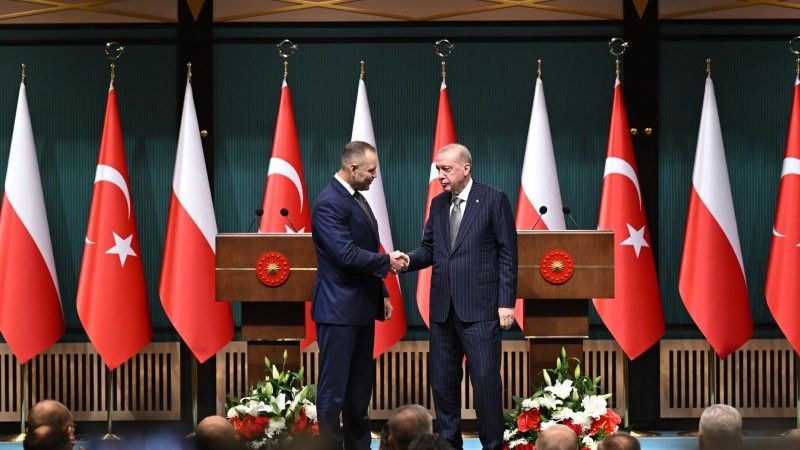
Photo. The official website of the Republic of Türkiye’s Directorate of Communications
Although President Karol Nawrocki’s visit to Türkiye on June 23–24, 2026, did not mark the birth of a new alliance, it may come to be seen as the moment when Polish-Turkish relations entered a trajectory toward becoming one of the most important defence-industrial partnerships within NATO’s European pillar. While media coverage was dominated by information about the welcoming ceremony, the shared history of the two nations, and the visit to the ASELSAN plant, an analysis of the visit’s agenda and the communication between the two sides leads to the conclusion that its significance goes far beyond standard diplomacy.
It is also worth noting that the visit focused on three complementary themes: political cooperation within NATO, the development of the defence industry, and operational cooperation between the armed forces. This indicates the evolution of Polish-Turkish relations from limited bilateral contacts towards a more comprehensive security partnership.
Polonya Cumhurbaşkanı Sayın Karol Nawrocki’ye ülkemizi ziyaretleri için teşekkür ediyor, istişarelerimizin hayırlara vesile olmasını temenni ediyorum. 🇹🇷🇵🇱 pic.twitter.com/3spTjGnCTA
— Recep Tayyip Erdoğan (@RTErdogan) June 23, 2026
NATO as a key point of reference
The North Atlantic Alliance served as the primary political backdrop for Karol Nawrocki’s visit to Türkiye, particularly in light of the upcoming NATO summit in July, which Ankara will host.
In this context, both Ankara and Warsaw emphasised the importance of strengthening the European pillar of the Alliance and the need for European countries to assume greater responsibility for the continent’s security.
Erdoğan described Poland and Türkiye as “indispensable NATO allies,” pointing out that both countries are responsible for the security of two strategic regions – the Alliance’s eastern and southern flanks. Nawrocki, in turn, emphasised the shared responsibility of both countries for defending NATO’s borders and the importance of cooperation in the face of the Russian-Ukrainian war and hybrid threats.
From Poland’s strategic perspective, NATO relies on close transatlantic relations with the United States, which was also strongly emphasised as a common denominator linking the diplomacy of Warsaw and Ankara. At the same time, the leaders discussed the priorities and demands that the Bucharest Nine (B9) and Three Seas Initiative allies will present at the NATO summit in Türkiye.

In their official address, the leaders also emphasised that both Poland and Türkiye should be viewed as key pillars of security on the continent, playing complementary roles in securing the borders of NATO member states. This does not appear to be mere rhetoric. For the first time in many years, Poland and Türkiye have begun to present their relationship as part of a broader European security architecture rather than solely as bilateral cooperation.
Following the visit, President Karol Nawrocki wrote on his official X account:
“Türkiye is one of Poland’s most important partners, a trusted NATO ally, and a country that plays a significant role in ensuring Europe’s security, particularly in the Black Sea region. Together with President Erdoğan, we discussed the various areas of our bilateral cooperation—an important partnership founded on alliance and mutual trust—as well as key geopolitical issues. Mr. President, thank you for your hospitality. I look forward to seeing you again soon at the NATO Summit.”
Turcja jest dla Polski jednym z najważniejszych partnerów, sprawdzonym sojusznikiem w NATO i państwem odgrywającym istotną rolę w zapewnieniu bezpieczeństwa Europy, a w sposób szczególny regionu Morza Czarnego.
— Karol Nawrocki (@NawrockiKn) June 23, 2026
Razem z Prezydentem @RTErdogan dyskutowaliśmy o zakresach działań… pic.twitter.com/xdnunPsXE1
ASELSAN – the highlight of the programme
Until now, Polish-Turkish relations have been based primarily on arms purchases, as exemplified by the Bayraktar unmanned aerial vehicles. Currently, a model based on industrial cooperation is emerging, encompassing technology transfer, joint research and development projects, and potential co-production.
The highlight of the Polish president’s recent visit to Türkiye was not a press conference but rather the Polish delegation’s visit to the ASELSAN facility, a leading Turkish manufacturer of advanced defence electronics.
The choice of this location was not only practical but primarily political. ASELSAN offers solutions for an exceptionally wide range of military operations – from underwater technologies to systems designed for space operations. It is also one of the most important manufacturers of military electronics within NATO.
During the Polish delegation’s visit, solutions in the fields of electronic warfare, radars, command systems, communications, air defence, and optoelectronics were presented. This was accompanied by discussions on further technology transfer, joint industrial projects, and the development of technological cooperation, a clear signal of a shift from a purely declarative policy of cooperation towards the implementation of major strategic contracts.
See also 
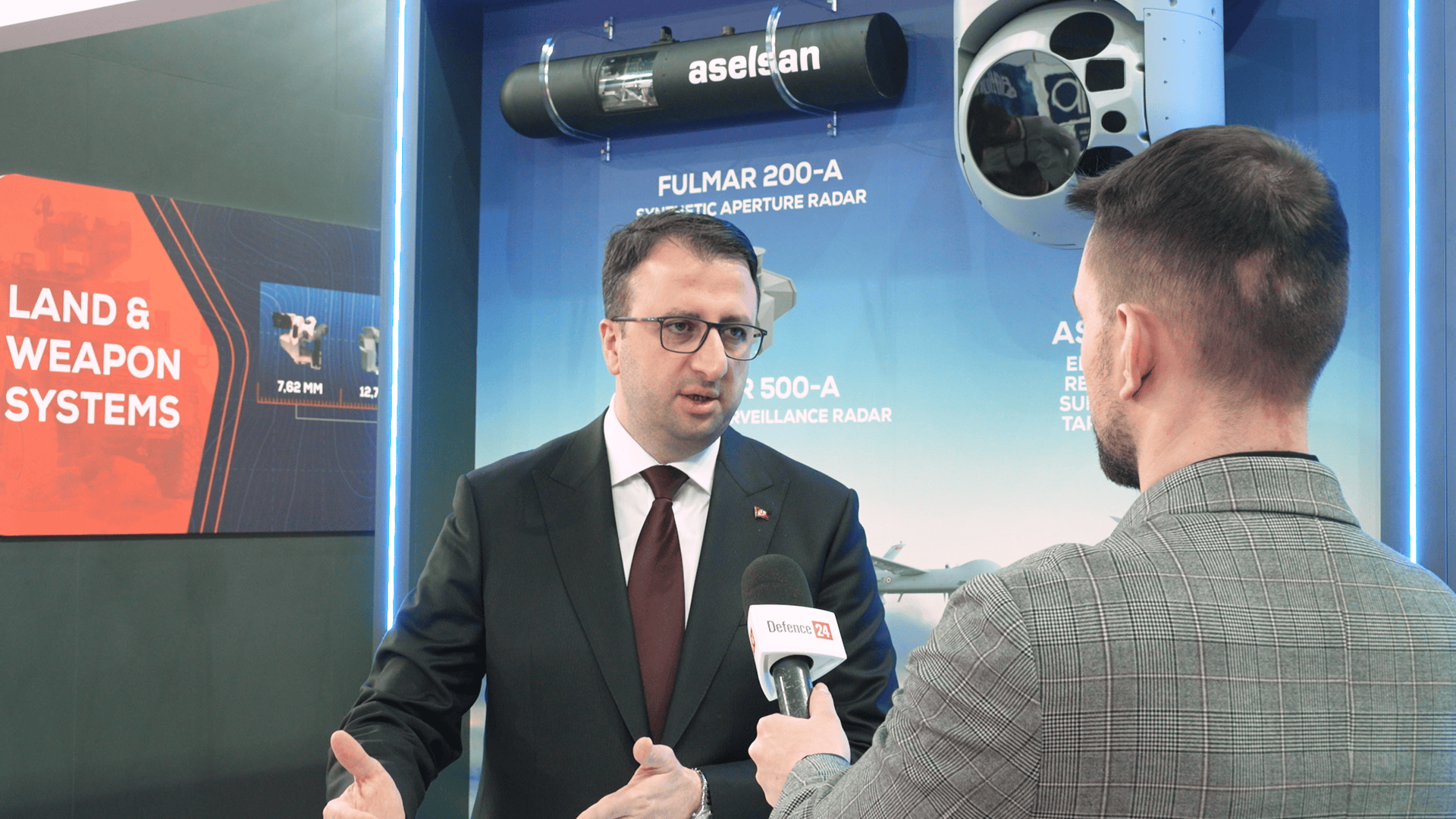
It is also worth mentioning the broader context of the visit: on 19 December 2025, Poland’s Armament Agency signed a contract worth approximately PLN 2 billion gross with Türkiye’s ASELSAN for the delivery of an automated reconnaissance and jamming system intended for electronic warfare operations at the tactical level. This equipment is designed for advanced electronic warfare, and its final delivery to the Polish Army is planned for 2035.
In summary, such technological partnerships represent a milestone in building trust and close bilateral relations, going far beyond standard diplomatic courtesy. Of particular significance was President Nawrocki’s public statement that cooperation between the Polish and Turkish defence industries is “essential” for both countries.
From procurement to technology co-creation
Cooperation between the Polish and Turkish defence industries has undergone a significant evolution in recent years. For decades, discussions regarding air defence systems, armored vehicles, and the modernisation of Leopard tanks and submarines were limited to plans and unrealised negotiations. The turning point – the “procurement” phase – came with Poland’s decision (as the first NATO and EU member state to do so) to purchase 24 Turkish Bayraktar TB2 unmanned combat aerial vehicles in 2021.
For several years, Poland has been consistently modernising its armed forces, relying primarily on cooperation with the United States and South Korea. However, Türkiye brings a different set of competencies—primarily in the areas of unmanned systems, electronic warfare, and military electronics. Currently, both countries, recognising the instability of the security environment on their eastern and southern flanks, are moving away from the customer-supplier model in favor of strategic technology co-creation and combining the capabilities of their defence industries. This has been pursued, among other things, through visits to Türkiye by Polish decision-makers and representatives of the Polish Armaments Group (PGZ), as well as the announcement of a special defence “roadmap.” This strategy aims not only to increase the firepower of the Polish Army but also to integrate Ankara more deeply into EU and Western defence supply chains, thereby naturally limiting Russia’s influence over Türkiye. This type of cooperation further increases both countries’ resilience to disruptions in global supply chains and strengthens European defence production capabilities.
İncirlik – operational dimension
The second important element of the visit was İncirlik Air Base, where the Polish Military Contingent is stationed. The meeting with the soldiers was not only symbolic. It provided clear evidence that the Polish-Turkish alliance is being implemented not only at the political and declarative level but also operationally in a specific theater of operations.
The Polish Military Contingent’s mission, as part of NATO’s Tailored Assurance Measures for Türkiye (TAMT), demonstrates Poland’s commitment to the security of the Middle East and the Alliance’s southern borders in exchange for similar guarantees on the eastern flank.
See also
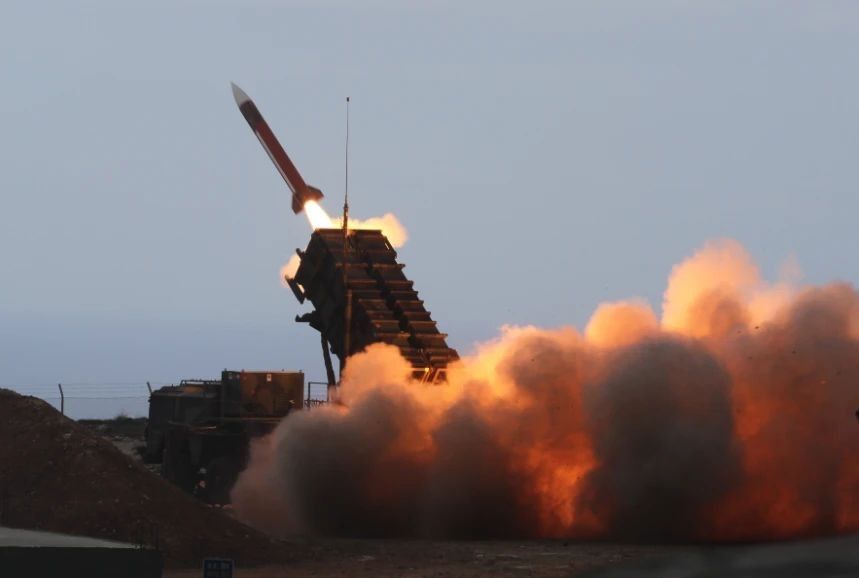
Poland also reaffirmed its continued readiness to maintain a military presence in Türkiye, and Ankara emphasised the base’s role as one of NATO’s most important operational hubs on the southern flank. In practice, this means that cooperation between the two countries now encompasses not only industrial activities but also joint operational activities and military planning.
Polski Kontyngent Wojskowy w Turcji realizuje kluczowe misje nad Morzem Śródziemnym i Czarnym. Dlatego podjąłem decyzję o przedłużeniu funkcjonowania kontyngentu – codzienna służba naszych żołnierzy w bazie İncirlik, to fundament bezpieczeństwa wschodniej flanki oraz realne… pic.twitter.com/AZsIljBrU7
— Karol Nawrocki (@NawrockiKn) June 24, 2026
A key dimension of this cooperation is the use of previously purchased Turkish aircraft. From İncirlik Air Base, Polish personnel conduct key patrol and reconnaissance missions in the Eastern Mediterranean and Black Sea regions using Bayraktar TB2 unmanned aerial vehicles. The intelligence gathered is continuously relayed to NATO commands, significantly increasing the situational awareness of Allied nations. As President Nawrocki emphasised during his visit, the integration of such advanced foreign systems with Polish operators demonstrates the Polish Army’s enormous adaptability on the modern battlefield.
See also

Poland and Türkiye as “middle powers”
Overall, the visit is consistent with the increasingly visible rise in the importance of middle powers within NATO. The dynamics of Polish-Turkish relations in recent years align perfectly with both countries’ efforts to strengthen their position as regional powers, with increasingly visible ambitions to exert global influence. From the perspective of the Polish elite, striving to position the Republic of Poland as a “respected state,” Türkiye is often a point of reference as a strong player pursuing an assertive, multidimensional foreign policy, capable of resolutely defending its national interests.
Poland has become a key country on the Alliance’s eastern flank, while Türkiye remains the most important security actor in the Black Sea and Middle East regions. Both countries possess extensive armed forces, are developing their own defence industries, and are playing an increasingly important role in regional security policy. During the meeting, the presidents of Poland and Türkiye repeatedly emphasised that their countries—distinguished by their enhanced military potential compared to most NATO members—no longer want to be mere “takers,” but rather “security providers” on the international stage.
From this perspective, cooperation between Warsaw and Ankara is not an alternative to transatlantic relations but rather a complement to them. It could also become a component of NATO’s Europeanisation process, which will likely become one of the main themes of the Ankara summit.
The potential of the “middle powers” is also evident in the economic and infrastructure spheres. This success was made possible by overcoming a historical barrier in bilateral trade, which exceeded USD 10 billion annually, allowing both countries to set a new, much more ambitious goal of USD 15 billion. Turkish construction companies, which are extremely active in Poland, and Ankara’s strategic partnership within the Three Seas Initiative, which is building a strong logistics corridor in Central and Eastern Europe, play a key role in this dynamic. By strengthening bilateral relations as well as infrastructure and defence ties, both countries are seeking to increase their prestige and military strength while making the security architecture in their region less dependent on the policy shifts of distant global allies.

Conclusions
The Polish President’s visit to Türkiye does not, in itself, mean the creation of a new strategic bloc within NATO. However, it lays the foundations for much deeper cooperation than before. At the same time, its most important outcome was not the signing of documents or political declarations—it was a clear transition from classic diplomacy to a long-term industrial and strategic partnership that responds to Europe’s evolving security needs.
This latest visit therefore marks the beginning of a new phase in Polish-Turkish relations within NATO’s integrated industrial and defence framework, in which Ankara and Warsaw are beginning to co-create a segment of European security rather than merely consult on it.
If the announced plans for technology transfer, joint industrial projects, and the development of interoperability are implemented, Poland and Türkiye could become one of the most important axes of industrial and defence cooperation within the Alliance.


