












- WIADOMOŚCI
- ANALIZA
Russia for Poland, China for America. Two visions of security

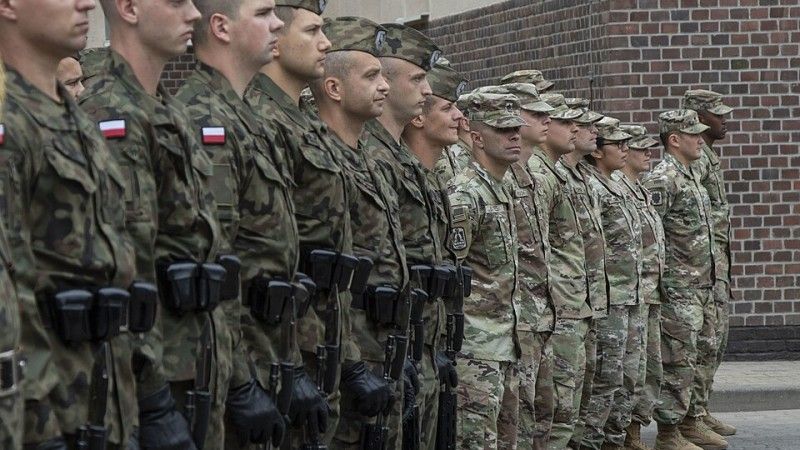
Photo. Spc. Garrison Waites, 5th Mobile Public Affairs Detachment / Wikimedia Commons
Poland and the United States identify different principal adversaries, yet the evolution of their national security strategies reveals increasingly similar conclusions. While Russia remains the most immediate military threat for Warsaw, and China is Washington’s principal long-term competitor, both countries are moving towards a broader model of security based on military strength, resilience, technological advantage and the protection of critical infrastructure.
A comparison of Poland’s National Security Strategies of 2014 and 2020 with the U.S. National Security Strategies of 2018 and 2022 demonstrates significant changes in the way both countries define threats and identify the instruments required to address them. The 2018 U.S. strategy represented a strongly realist approach to international relations, dominated by the return of great-power competition, primarily involving China and the Russian Federation.
Its main pillars were the protection of the homeland, the promotion of American prosperity, the preservation of peace through strength and the advancement of U.S. influence internationally. Security was therefore understood not only through military capabilities, but also through economic strength, technological advantage and the ability of the United States to maintain its position in the international system.
The 2022 strategy introduced a broader perspective. Greater importance was attached to international cooperation, strong alliances, democratic institutions and responses to global challenges, including climate change, the consequences of the COVID-19 pandemic and cyber threats. Although China remained the principal strategic competitor, greater attention was also devoted to strengthening the internal resilience of the United States and reinforcing its network of alliances.
The evolution of the American approach also reflected a changing perception of Russia. While China was increasingly identified as the only competitor with the potential to reshape the international order over the long term, Russia represented a more immediate and direct threat, particularly following its full-scale invasion of Ukraine in February 2022. This distinction became one of the most important elements of U.S. strategic thinking: China as the systemic competitor and Russia as an acute military threat.
Poland’s 2014 National Security Strategy was developed in the aftermath of Russia’s aggression against Ukraine and the annexation of Crimea. The document identified the increasingly aggressive policy of the Russian Federation as the principal challenge to Poland’s security environment. Particular importance was attached to NATO’s presence in the region, the modernisation of the Polish Armed Forces and close integration within NATO and the European Union.
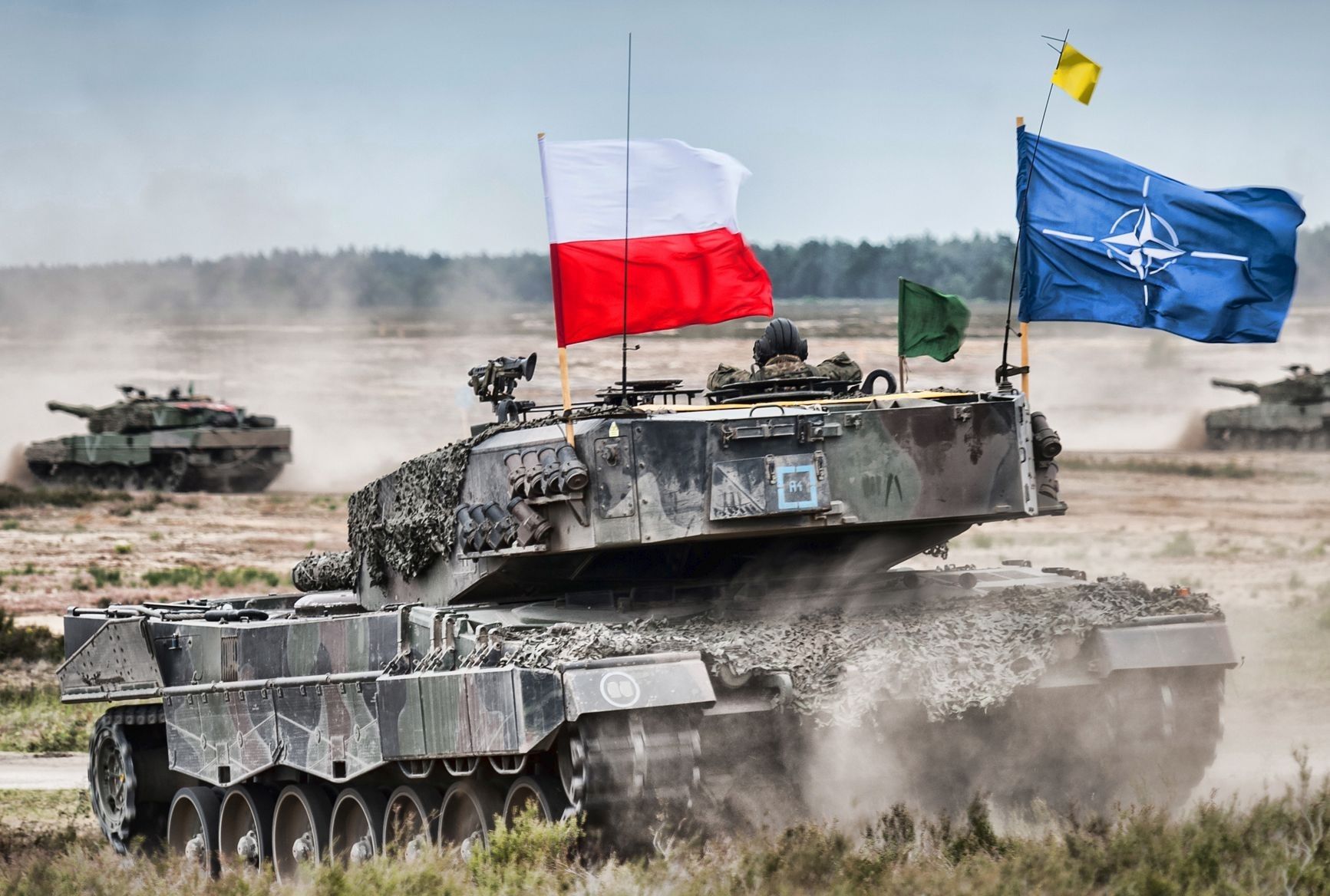
The 2020 strategy significantly broadened this approach. Alongside the conventional military threat from Russia, it incorporated hybrid threats, cyber security, disinformation and the resilience of the state. The document also underlined the importance of Poland’s strategic partnership with the United States, energy and economic security, the protection of critical infrastructure and the preparation of state institutions and society for crisis situations.
The comparison of the two Polish strategies demonstrates how rapidly the understanding of national security expanded between 2014 and 2020. Military deterrence remained fundamental, but it was increasingly accompanied by the recognition that hostile states could apply pressure below the threshold of conventional war. Cyberattacks, information operations, political interference, economic pressure and attacks against critical infrastructure became elements of the same security environment.
A similar evolution can be observed in the United States. The ability to maintain military superiority remains essential, but Washington increasingly links national security with economic competitiveness, technological development, industrial capacity, secure supply chains and domestic resilience. This is particularly visible in the context of strategic competition with China, where technological and economic rivalry has become almost as important as traditional military competition.
Looking at the evolution of both countries’ approaches, there is a clear shift towards a comprehensive understanding of security, encompassing both military and non-military dimensions. In the Polish and U.S. strategies developed around and after 2020, increasing importance is attached to resilience, international cooperation and the capacity to respond to new categories of threats.
The common denominator is the recognition that national security requires an integrated system capable of combining military, political, economic, technological and societal instruments. Modern states must not only be able to defend their territory but also continue functioning under sustained external pressure.
At the same time, fundamental differences remain. For the United States, China represents the principal long-term strategic competitor, while Russia remains an immediate military and geopolitical challenge. For Poland, the Russian Federation constitutes the most direct military threat because of geography, the war in Ukraine and the broader security situation on NATO’s eastern flank.
This difference influences national priorities. Washington must balance commitments across several regions, particularly Europe and the Indo-Pacific, whereas Poland concentrates primarily on territorial defence, deterrence and strengthening NATO’s eastern flank. Nevertheless, both countries increasingly recognise that effective deterrence requires not only capable armed forces but also resilient institutions, secure infrastructure and technological superiority.

In both cases, a transformation can therefore be observed from the traditional paradigm of military defence towards a model of integrated national security. The response to this evolution should include further development of national analytical and planning capabilities in both Poland and the United States, with particular emphasis on the digital domain, the protection of critical infrastructure and technological independence.
The strategic documents also demonstrate that future security competition will increasingly take place outside the traditional battlefield. Access to advanced technologies, resilient energy systems, secure communications, domestic industrial capacity and the ability to protect societies against disinformation will directly influence the capacity of states to deter adversaries and respond effectively during crises.
For both Poland and the United States, the central challenge is therefore no longer simply how to respond to an armed attack. It is how to build a state capable of resisting simultaneous military, cyber, economic, informational and technological pressure. This broader understanding of security is likely to remain one of the defining features of national security planning in the coming years.


