- WIADOMOŚCI
- KOMENTARZ
Russian consul to leave Åland. Finland debates closing Moscow's Baltic outpost

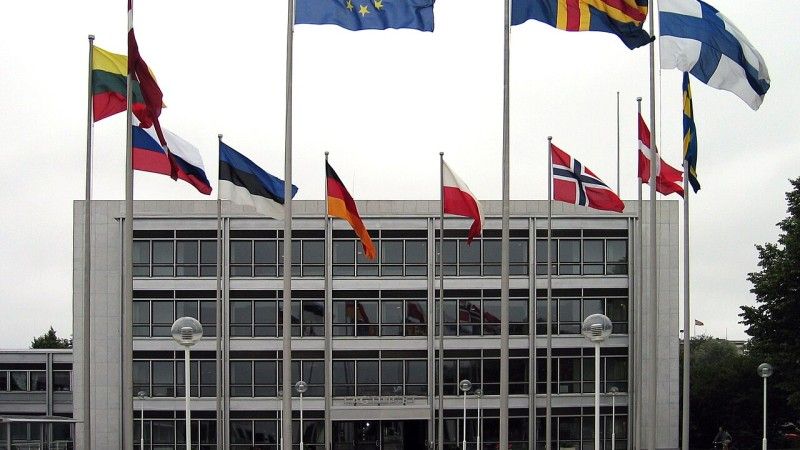
Photo. Magne Kveseth / norden.org / Wikipedia
The Russian consul is preparing to leave the Åland Islands, reopening discussions about Moscow’s diplomatic presence in one of the most strategically important areas of the Baltic Sea. Finland has allowed Russia to maintain a consulate in Mariehamn since 1940, with special powers to monitor the demilitarisation of the archipelago. However, with Finland and Sweden now members of NATO, questions are growing over whether an arrangement established more than 80 years ago should remain in place.
Russian consul Alexandr Rogov confirmed on 19 October that he was approaching the end of his assignment in Mariehamn, which began in 2020. Moscow intends to appoint his successor, potentially before Christmas. This is therefore a routine diplomatic rotation rather than a Russian decision to close the consulate. Nevertheless, the announcement has renewed calls for Helsinki to end Moscow’s special presence on Finnish territory.
Interestingly, Russia itself proposed closing the consulate in 1998, arguing that maintaining the mission was too expensive. Moscow wanted to transfer its supervisory responsibilities to the Russian Consulate General in Turku, but Finland opposed the proposal. Helsinki feared that renegotiating the 1940 agreement could give Russia an opportunity to demand broader inspection powers. The documents remained classified for 25 years and were only made public in 2023. Under the existing agreement, Russia still formally retains the right to supervise the demilitarisation of the archipelago, although no joint inspections have been conducted for decades.

Photo. Google Maps
Public opinion on Åland has also changed. According to a March 2026 survey, 59% of residents support closing the Russian consulate, while 73% want to preserve the islands’ demilitarised status. This distinction is important because closing the diplomatic mission would not automatically allow Finland to deploy permanent military forces to the archipelago. The Finnish Ministry for Foreign Affairs examined the legal options in 2023 but concluded that there was no legally certain and indisputable way to terminate or suspend the relevant provisions of the 1940 agreement. Helsinki therefore faces a difficult legal and political decision.
Dr Timo Hellenberg points out: “The consul’s departure is a personnel change, not the closure of the consulate. Already in 2004, however, I raised concerns about Åland’s security vulnerabilities in Ålandstidningen. From a security perspective, a building does not conduct surveillance by itself—and closing it would not prevent monitoring through other means. The strategic issue here is Russia’s access, capabilities and formal supervisory privileges, rather than who occupies the building.”

Why Åland matters to NATO
The Åland Islands lie between Finland and Sweden, close to the entrance to the Gulf of Bothnia. Their location is crucial for maritime transport, military logistics and maintaining communication between the Nordic countries. In the event of a confrontation with Russia, disrupting shipping around the archipelago could complicate the movement of troops, ammunition and military equipment. With Finland and Sweden now integrated into NATO’s defence planning, the security of Åland has become increasingly important for the Alliance’s northern flank.
For Moscow, the consulate represents a diplomatic presence backed by a special international agreement in a strategically sensitive part of the Baltic Sea. For Helsinki, the challenge is to strengthen regional security while respecting the legal status of the islands. Finland can seek to end Russia’s special supervisory role without necessarily abandoning Åland’s demilitarisation. The departure of one Russian diplomat will not change the military situation, but it has reopened a debate about whether Moscow should continue exercising powers established when Finland faced a completely different security environment.