












- WIADOMOŚCI
- ANALIZA
Starlink limit hits Ukraine’s drones. The battlefield depends on SpaceX


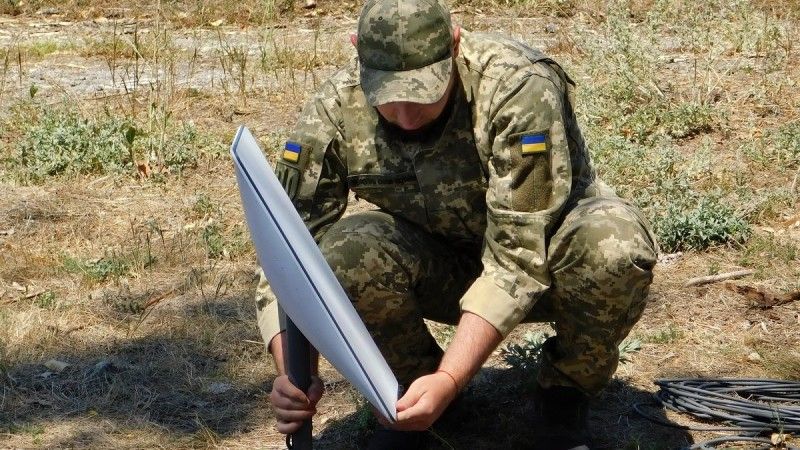
SpaceX has introduced a speed restriction affecting StarShield terminals used by Ukraine. According to Ukrainian sources, connectivity began to fail when platforms exceeded around 160 km/h, disrupting part of Ukraine’s combat missions. Later reports claimed that the restriction may have been tightened further, with some operators losing communication already at 60–70 km/h. If confirmed, that would no longer affect only fast strike drones, but also a much wider group of reconnaissance and tactical UAVs.
The first point is technical, but crucial. This is not a general shutdown of Starlink for the Ukrainian military. The issue concerns terminals used in motion, especially under the StarShield military package. The initial figure of around 160 km/h is important because it affects faster unmanned platforms, including strike systems and drones operating beyond classic radio-control range. A lower threshold of 60–70 km/h would be far more serious, because many ordinary tactical UAVs operate in that speed bracket.
It is also wrong to describe Starlink mainly as a navigation system for drones. Its real role is communication: command link, video transmission, mission updates and contact between operator and platform beyond direct line of sight. A drone may still know where it is going through GNSS, inertial systems or autonomous navigation, but without a reliable data link, it loses flexibility, live control and battlefield value. In drone warfare, the link is often as important as the airframe.
The political link is possible, not proven
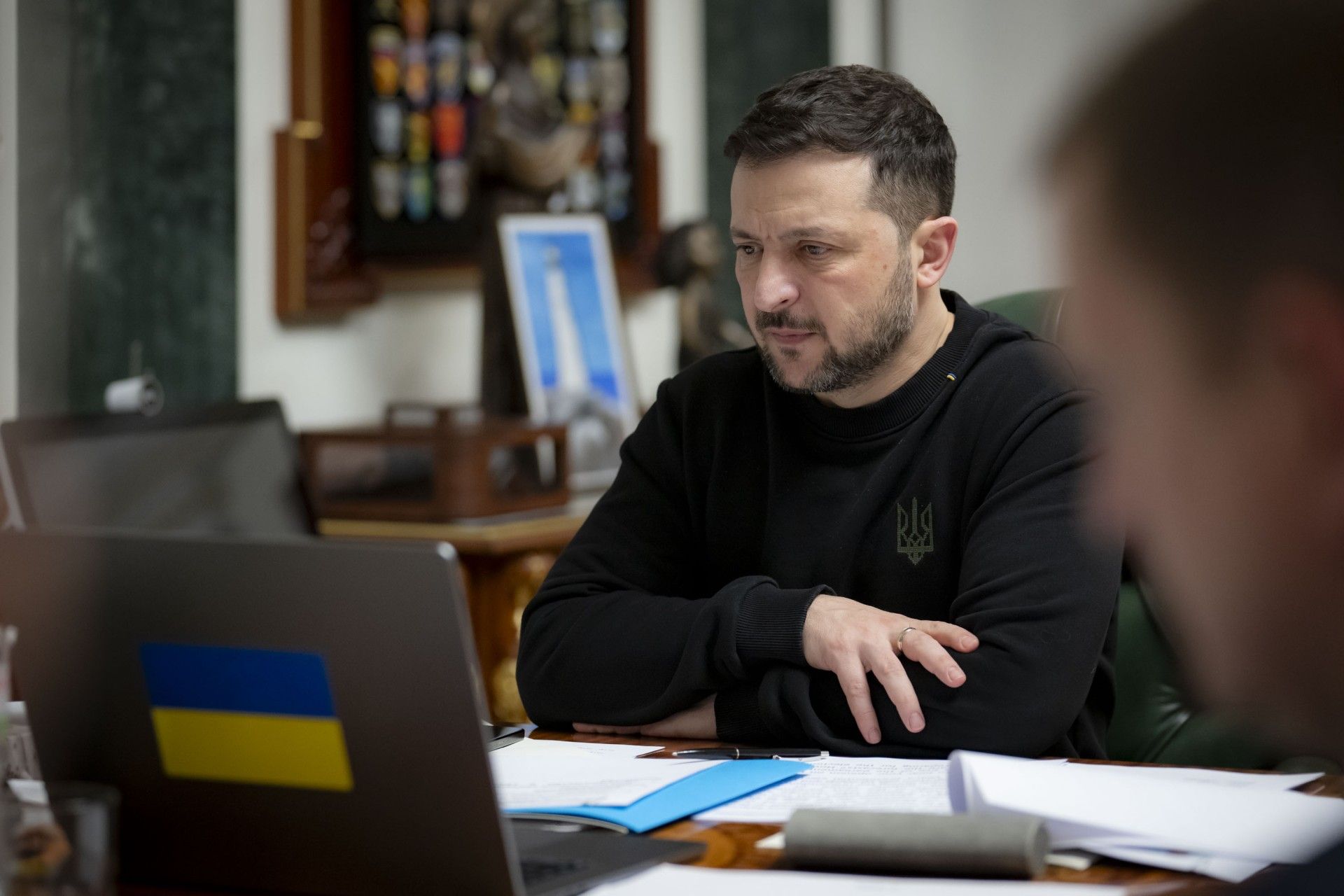
Serhii Sternenko suggested that SpaceX’s decision could be connected to pressure from the Trump administration on Kyiv. Similar interpretations appeared in Ukrainian discussions, especially because the restriction comes amid tensions over Ukrainian strikes against targets in Russia. But this should not be presented as an established fact. SpaceX has not publicly confirmed such a motive. The White House has not confirmed that it ordered the change. Reuters has not established that the restriction came from the US administration.
The political context is obvious, but attribution is not the same as suspicion. What is already clear is that SpaceX can remotely change the operational parameters of terminals used on the battlefield. Even a narrow technical change, such as a speed limit, can immediately affect strike missions, reconnaissance and command links. For Ukraine, this is not only a question of one service update. It is a question of dependence.
A battlefield advantage and a strategic vulnerability
Earlier this year, mechanisms for verifying and limiting Starlink terminals helped Ukraine counter Russian use of the system on drones. The same kind of technical control now appears to have affected Ukrainian military users. This shows both the strength and the weakness of the system. Starlink and StarShield give Ukraine resilient communications that are difficult to replace. At the same time, Ukraine does not fully control the conditions under which that communications architecture operates.
That is the real military issue. The war in Ukraine has shown that private satellite networks can become part of the battlefield. But private infrastructure also means private control, contractual limits, geofencing, service parameters and political exposure. A state can build drones, train operators and plan missions, but if the data link depends on one external provider, the whole system remains vulnerable to decisions made outside the chain of command.
If the 60–70 km/h reports were confirmed, the consequences would go beyond fast strike drones. They would affect a larger part of Ukraine’s unmanned architecture and force operators to adapt missions, platforms and communications methods. The problem is therefore not simply that Starlink has imposed a speed limit. The problem is that one technical decision by SpaceX can change the tempo of Ukrainian drone operations almost immediately.


